The 2026 Narrative Liquidity Framework: Engineering Comics for Instant Cross-Media Adaptat
Narrative Liquidity is the new gold standard for comic creators in 2026, defining how easily a story can flow across different media formats. This framework provides the architectural blueprint for building 'adaptation-ready' IPs from day one.
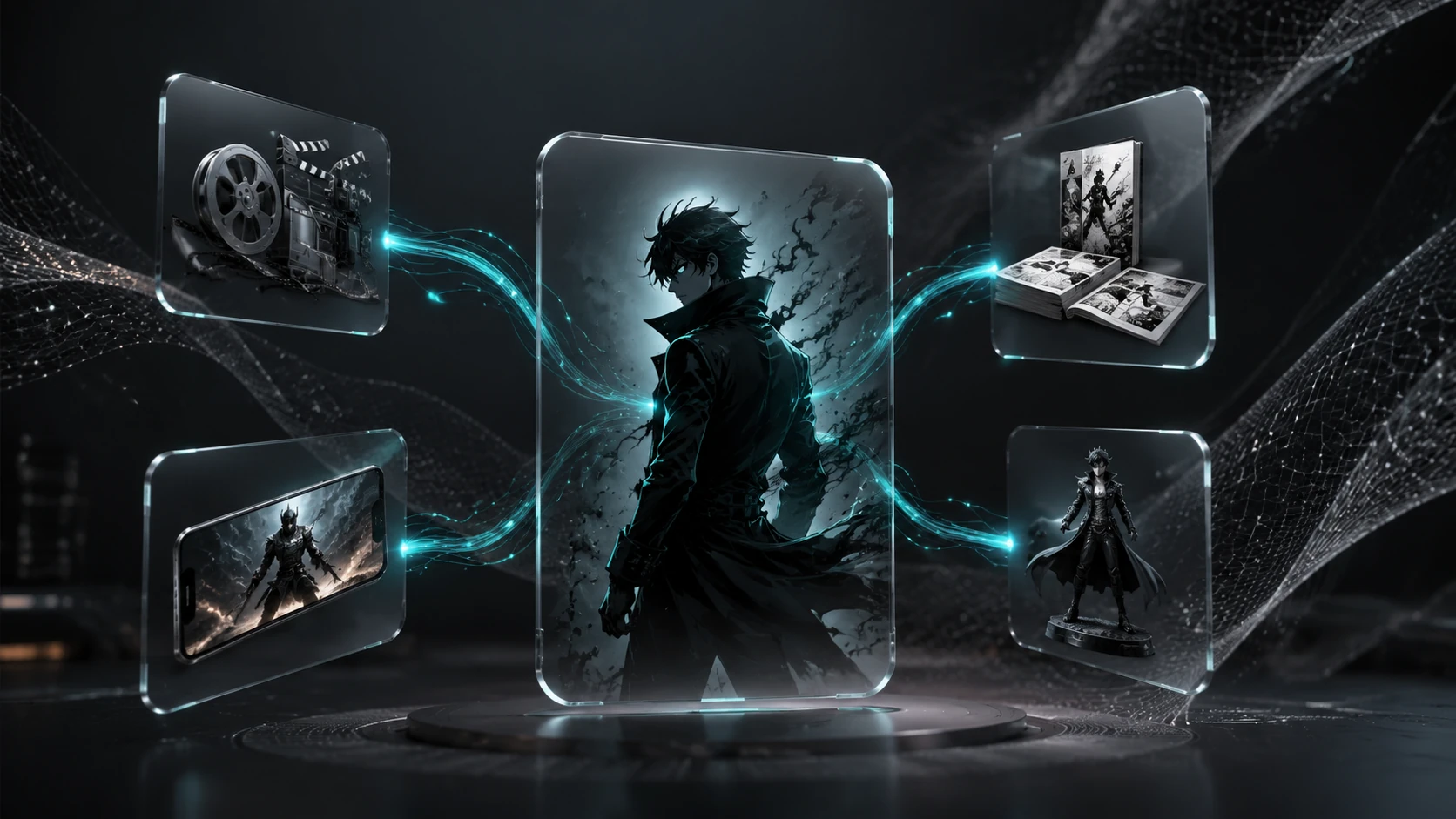
In the 2026 creator economy, the value of a comic or webtoon is no longer measured solely by its readership on a single platform. Instead, industry leaders are pivoting toward 'Narrative Liquidity'—a strategic metric that evaluates how easily a story’s core assets, characters, and lore can be extracted and poured into different media formats like animation, immersive gaming, or physical collectibles. As the cost of manual adaptation rises, the most successful creators are those who engineer their stories to be 'format-agnostic' from the very first panel. Narrative Liquidity isn't about compromising the comic medium; it's about building a robust architectural foundation that allows your IP to exist everywhere simultaneously without requiring a massive structural rewrite for every new licensing deal.
The Three Pillars of Narrative Liquidity
To achieve high liquidity, a comic must move beyond being a sequence of images and become a structured database of narrative entities. This requires a shift in how we perceive world-building. In 2026, the framework rests on three critical pillars: Modular Lore, Semantic Asset Rigging, and Platform-Independent Character DNA. Modular lore ensures that the world's rules and history are documented as discrete modules that can be 'plugged' into a game engine or a screenplay without causing continuity errors. Semantic asset rigging involves creating visual designs that are optimized for 3D translation—ensuring that a character’s silhouette and color palette remain iconic even when converted from a 2D vertical scroll to a high-fidelity AR environment.
Pillar 1: Modular Lore Architecture
- Isolate 'World Rules' from 'Plot Beats' to allow for spin-offs that don't break the main canon.
- Maintain a centralized Lore Engine that tracks character relationships and historical timelines.
- Ensure magic systems or technology levels are quantified to facilitate RPG or tabletop game balance.
Designing for 'Plug-and-Play' Adaptation
One of the most common mistakes in traditional comic creation is the over-reliance on format-specific gimmicks that don't translate. For example, a plot point that relies entirely on a specific vertical scroll transition may be visually stunning in a webtoon, but it creates a 'narrative bottleneck' when adapting to a horizontal cinema screen. High-liquidity stories prioritize 'core narrative beats' that retain their emotional impact regardless of the layout. This doesn't mean avoiding the strengths of the comic medium; it means ensuring that the story's structural integrity remains intact even if the visual presentation changes. In 2026, studios are using 'Ghost Storyboarding' to test how a scene would look in both 9:16 and 16:9 ratios before final production begins.
The Adaptation Friction Test
Creators should perform an 'Adaptation Friction Test' every ten chapters. Ask yourself: If a game developer wanted to turn this arc into a level, are the goals and obstacles clear? If a toy manufacturer wanted to create an action figure of this new character, is the design physically feasible and visually distinct? If the answer is no, your narrative liquidity is low, and your future licensing ROI may suffer.
The Financial Impact: Reducing the 'Adaptation Tax'
The primary reason Narrative Liquidity is becoming a mandatory standard for 2026 studios is economic. Traditional adaptation is expensive because it requires 'reverse-engineering' a static comic into a dynamic medium. By following a liquidity framework, creators reduce the 'Adaptation Tax'—the time and money spent by licensees to fix narrative holes or redesign characters for production. A high-liquidity IP is significantly more attractive to investors because it is 'production-ready.' This allows independent creators to secure better terms in licensing deals, as they are providing a turnkey solution rather than just a raw story concept.
Common Pitfalls in High-Liquidity Design
While striving for liquidity, some creators fall into the trap of 'Genericism.' They design stories so broadly that they lose the unique 'soul' that makes comics a special medium. The goal is not to make your comic look like a movie storyboard, but to ensure the *logic* of the story is robust enough to support a movie. Avoid 'Over-Documentation' where you spend more time on the wiki than the comic panels. The liquidity framework should serve the story, not replace it. Another risk is 'Premature Scaling,' where a creator spends thousands on 3D assets before the 2D comic has even found an audience. Focus on narrative structure first; visual assets can be scaled once the core IP is validated by reader data.
FAQ
What is the difference between Transmedia and Narrative Liquidity?
Transmedia is the practice of telling a story across multiple platforms. Narrative Liquidity is the technical and structural readiness of an IP to be moved across those platforms with minimal cost and effort.
Does Narrative Liquidity make my comic less creative?
No. It simply adds a layer of professional discipline to your world-building, ensuring your creativity can reach the widest possible audience without being limited by one specific format.
How do I start implementing this as a solo creator?
Begin by keeping a 'continuity log' and designing characters with 'turnaround' sheets from day one. Ensure your world-building rules are consistent and documented outside of the comic panels.