The 2026 Narrative-Integrated Merchandise (NIM) Blueprint: Turning Story Beats into Physic
In 2026, successful comic monetization has shifted from generic merchandise to Narrative-Integrated Merchandise (NIM), where physical items are woven directly into the story's DNA. This framework outlines how creators can bridge the gap between digital reading and physical ownership through strategi
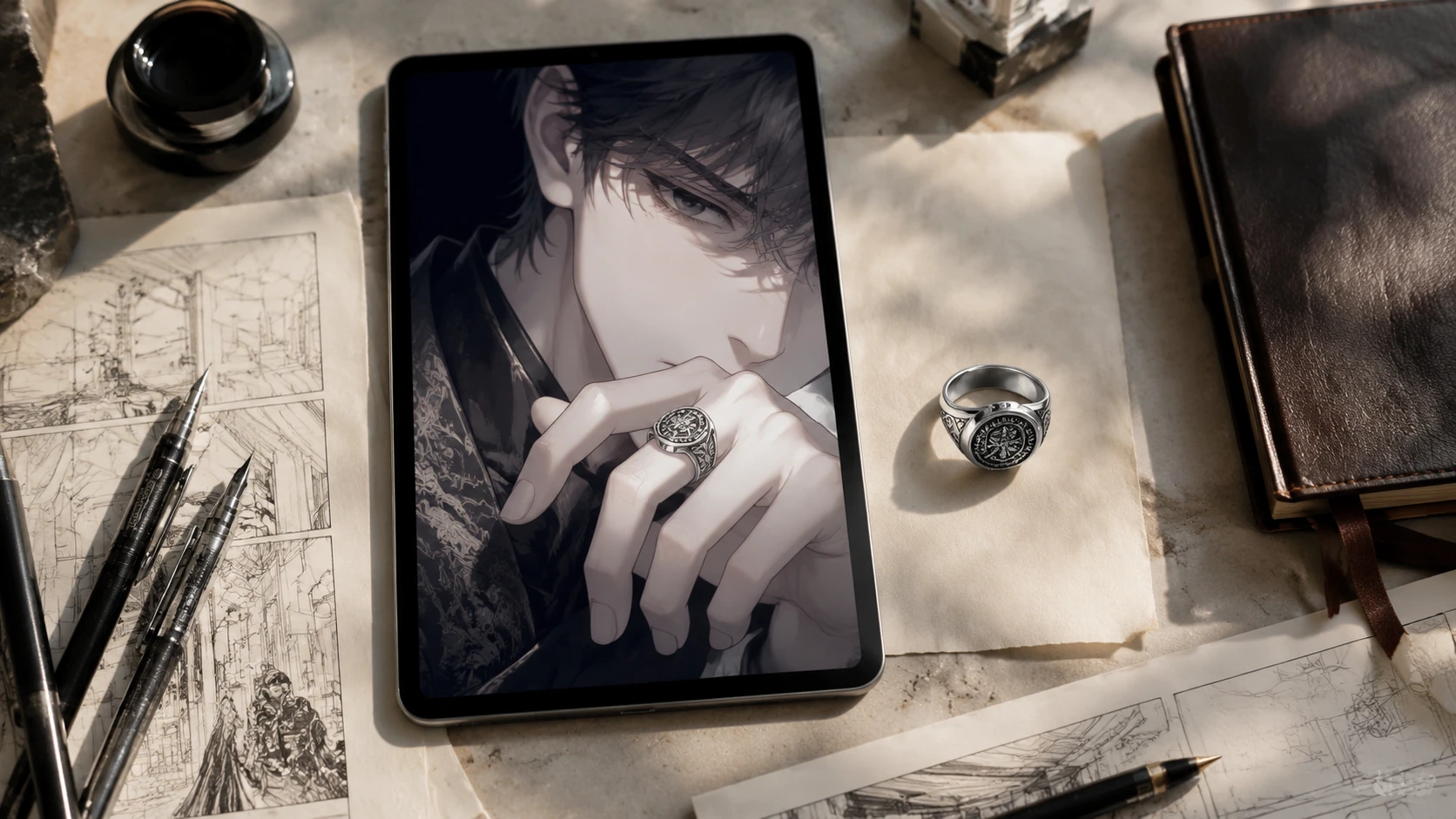
By mid-2026, the traditional merchandise model—slapping a character's face on a low-quality t-shirt—has effectively collapsed. As subscription fatigue reaches its zenith, readers are no longer satisfied with passive consumption; they crave 'tangible lore.' This shift has given rise to Narrative-Integrated Merchandise (NIM). Unlike traditional merch, NIM assets are conceived during the scripting phase, not as an afterthought. They are physical items that hold significant narrative weight within the story—think of a protagonist’s signature accessory, a mysterious key, or a specific brand of streetwear that characters wear consistently. When these items are made available for purchase, they aren't just products; they are extensions of the reading experience. For creators and studios, this model offers significantly higher margins and conversion rates because the desire for the object is built into the reader's emotional journey through the plot.
The Psychology of Tangible Lore in 2026
The success of the NIM model is rooted in the 'Endowment Effect' and 'Narrative Transport.' When a reader spends 50 chapters watching a protagonist struggle while wearing a specific heirloom, that object gains psychological value. In 2026, the most successful webtoons use 'Spatial Tagging' within their digital platforms. As a reader scrolls past a panel featuring an NIM-enabled asset, a subtle, non-intrusive haptic pulse or a small UI glow indicates that the item is 'real.' This isn't just about e-commerce; it's about deepening the immersion. By owning the item, the fan feels a sense of co-authorship and proximity to the characters. This emotional tether makes NIM more resilient to economic downturns compared to standard digital subscriptions. Strategic placement ensures that the item is seen as a symbol of the story's values, rather than a jarring advertisement, maintaining the artistic integrity that 2026 readers demand.
The 4-Step NIM Implementation Framework
Transitioning from a digital-only creator to an NIM-enabled studio requires a shift in the production pipeline. It is no longer enough to draw; one must curate. The following framework is used by top-tier studios to ensure seamless integration between the ink and the inventory.
1. Asset Selection and Lore-Seeding
- Identify high-frequency visual objects that can be manufactured with high quality (jewelry, apparel, stationery).
- Assign narrative stakes to the object: Is it a gift? A source of power? A sign of rebellion?
- Seed the object early in the first arc to build visual familiarity before any purchase options appear.
2. The 'Hero Panel' Architecture
In the 2026 vertical scroll format, creators must design specific 'Hero Panels'—high-detail shots where the NIM asset is the focal point. These panels serve as the primary marketing material. The lighting, line weight, and color saturation for these panels should be optimized to showcase the product's physical texture, effectively acting as a high-fashion 'lookbook' within the narrative flow.
3. Supply Chain Synchronization
One of the biggest mistakes in the early 2020s was the lag between story hype and product availability. In 2026, NIM assets are produced in limited 'Drop' cycles that coincide with major plot climaxes. Using on-demand modular manufacturing, studios can launch a product the moment a chapter goes live, capturing the peak emotional state of the reader.
Balancing Commercialization with E-E-A-T
A significant risk of the NIM model is the 'Sell-Out' perception. If a story feels like a 60-chapter commercial, retention will plummet. To maintain Experience, Expertise, Authoritativeness, and Trustworthiness (E-E-A-T), the narrative must always come first. The object must exist because the story needs it, not vice versa. Successful 2026 creators use 'Invisible Integration,' where the product is so deeply tied to the character's identity that its absence would feel like a plot hole. For example, a cyberpunk webtoon might feature a specific modular tech-wear jacket that characters use to hide from surveillance. The jacket’s functionality in the story justifies its presence, and its availability in the real world feels like a service to the fans who want to inhabit that world.
The Future: Smart Print and NFC-Linked Assets
Looking toward the end of 2026, we are seeing the rise of NFC-linked NIM. A physical ring or hoodie purchased through a webtoon might contain an embedded chip that, when scanned by a phone, unlocks exclusive 'Side-Story' chapters or AR filters. This creates a feedback loop: the digital story sells the physical item, and the physical item provides access to exclusive digital content. This 'Phygital' ecosystem is the final stage of sovereign creator monetization, allowing independent studios to bypass the 30% platform taxes by moving high-value transactions to their own D2C (Direct-to-Community) logistics chains.
FAQ
Does NIM work for all genres?
While most effective in Fantasy, Sci-Fi, and Romance (due to iconic accessories and fashion), NIM can work in any genre if the object is tied to the emotional core of the characters.
Is the NIM model expensive for independent creators?
In 2026, modular manufacturing and 3D-printing services have lowered the entry barrier, allowing creators to start with small-batch accessories rather than mass-market apparel.
How do I avoid breaking the reader's immersion?
Never use 'Buy Now' buttons inside the story panel. Use subtle metadata tags or link the items in the 'Chapter End' credits to keep the reading experience pure.