The 2026 ‘Narrative-Haptics’ (NH) Integration Standard: Engineering Tactile Immersion for the Wearable-First Webtoon Economy
The 2026 Narrative-Haptics (NH) Standard is revolutionizing digital comics by adding a tactile layer to the reading experience. Discover how creators are using haptic metadata to engineer deep sensory immersion across wearable devices.
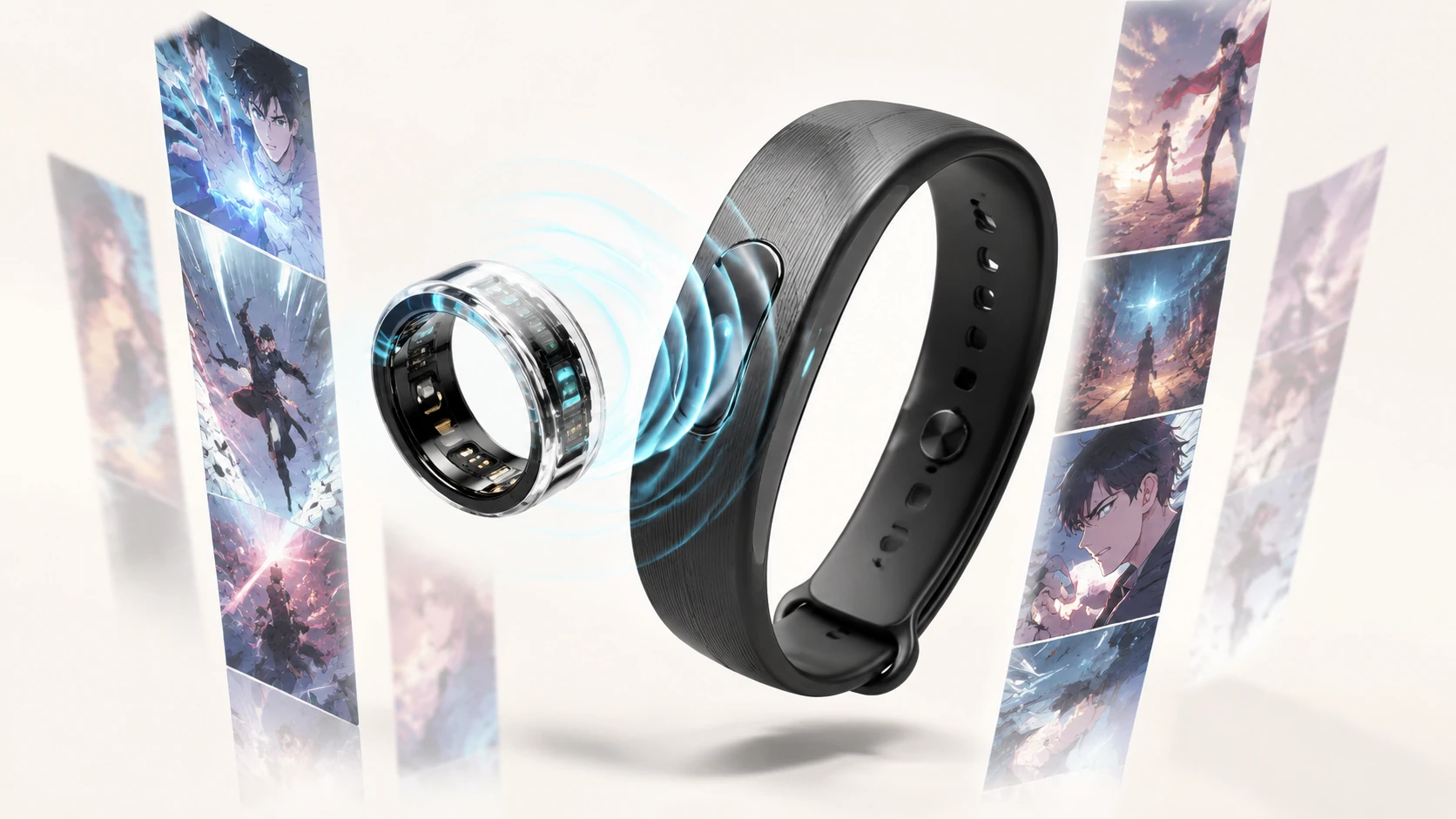
The 2026 ‘Narrative-Haptics’ (NH) Integration Standard represents a fundamental evolution in how digital stories are consumed. For decades, the comic industry focused almost exclusively on visual and narrative depth. However, as the 2026 attention economy becomes increasingly fragmented, the ability to engage a reader’s physical senses has become the new benchmark for 'top-tier' content. The NH Standard provides the technical bridge between digital vertical-scroll panels and the growing ecosystem of haptic-enabled wearables, such as smart rings, haptic wristbands, and even localized neural-feedback patches. By embedding tactile data into the comic's code, creators can now 'touch' their audience, creating a level of intimacy and immersion that was previously impossible.
The Architecture of the NH Standard
Technically, the NH Standard operates as an invisible metadata layer that sits on top of the standard webtoon image format. This layer uses a protocol known as 'Temporal Haptic Mapping' (THM). Unlike traditional video game haptics, which are reactive to user input (like pressing a button), NH haptics are reactive to scroll-velocity and scroll-position. As a reader moves through a story, the application tracks the proximity of the 'active' panel to the center of the viewport. When a panel tagged with NH metadata enters the 'Immersion Zone' (usually the middle 30% of the screen), the haptic sequence is triggered. This ensures that the tactile feedback is perfectly synchronized with the reader's eye movement and reading speed, avoiding the jarring disconnect of early haptic attempts.
Core Haptic Modalities in 2026
- Steady-State Ambience: Used for environmental storytelling, such as the low-frequency thrum of a spaceship or the rhythmic patter of rain.
- Transient Impacts: High-frequency bursts used for combat scenes, door slams, or sudden 'jump-scare' transitions in horror genres.
- Emotional Resonance Pulses: Mimicking human physiological rhythms, such as a character's racing heart during a romantic encounter or the shallow, sharp breathing of a protagonist in a suspenseful moment.
- Directional Haptics: For users with dual-wearables (e.g., rings on both hands), the NH Standard can simulate movement across the screen, such as an object flying from the left panel-edge to the right.
Market Impact: Why Readers are Paying for 'Feel'
The monetization potential of the NH Standard is driving a new 'Sensation-as-a-Service' model within the webtoon economy. In 2026, major platforms have introduced 'Haptic-Plus' tiers, where readers pay a premium to unlock the tactile layer of their favorite series. Data shows that readers who engage with haptic-enabled content have a 45% higher LTV (Lifetime Value) than those who read in 'Visual-Only' mode. This is attributed to the deep parasocial connection that haptics foster; when a reader can 'feel' a character's heartbeat, the emotional stakes of the narrative are significantly amplified. For creators, this provides a new revenue stream that doesn't rely solely on ad-revenue or chapter unlocks, but on the quality of the sensory engineering itself.
The Creator Workflow: From Vision to Touch
Integrating the NH Standard into a production pipeline is surprisingly streamlined in 2026. Most modern comic creation suites now include a 'Haptic Timeline' alongside the traditional layers. Creators can drag and drop pre-set haptic 'waveforms' onto their panels. For example, a creator working on a fantasy epic can select a 'Magic Flare' waveform and place it over a panel where a spell is being cast. Advanced creators are even using 'Haptic-First' scripting, where the narrative beats are written with specific tactile sensations in mind, ensuring that the physical experience is not an afterthought but a core component of the storytelling process.
Accessibility and Inclusive Design
One of the most profound benefits of the NH Standard is its impact on accessibility. For readers with low vision or color blindness, haptics serve as a secondary narrative channel. The 2026 standard includes a 'Haptic-Description' (HD) mode, which translates visual mood and dialogue intensity into tactile signals. This allows a broader demographic to engage with the medium. Furthermore, for readers in high-distraction environments (like public transit), the tactile feedback acts as a 'narrative tether,' keeping their focus on the story even when visual distractions occur. The NH Standard is not just about immersion; it is about making the vertical scroll a more robust and inclusive format for the global population.
Summary and 2026 Implementation Checklist
As we move further into 2026, the NH Standard will likely become a baseline expectation for the 'Top 100' series on every major platform. The era of passive, visual-only reading is transitioning into an era of active, sensory participation. Creators who master the engineering of touch will find themselves at the forefront of the next wave of IP growth. To begin, follow this implementation checklist:
- Audit your current series for 'High-Emotion' nodes where haptics would add the most value.
- Ensure your metadata tags are synchronized with the 2026 Universal Haptic API for cross-device compatibility.
- Test your haptic intensity levels across different hardware (Ring vs. Wristband) to ensure comfort.
- Use 'Atmospheric Hum' sparingly—avoid 'Haptic Fatigue' by including silent gaps in your tactile timeline.
- Monitor reader feedback specifically regarding the 'Tactile Pacing' to refine your haptic scripts.
FAQ
What hardware do I need to experience NH webtoons?
Most 2026-era smart rings, haptic wristbands (like the Meta-Band or Apple Ring), and even some high-end smartphones with directional actuators support the NH Standard.
Is it difficult for solo creators to add haptics?
No. Modern tools like the COMICLS NH-Assistant use AI to suggest haptic patterns based on your panel's art and dialogue, making it easy to implement.
Does haptic feedback drain mobile battery?
The NH Standard is highly optimized. Because the haptics are triggered by the wearable device rather than the phone's internal motor, the battery impact on the phone is negligible.