The 2026 ‘Narrative Franchising’ Playbook: Engineering Independent Comic IP for Rapid Seco
In 2026, the most successful creators aren't just selling stories; they are engineering franchisable systems. Learn the playbook for preparing your comic IP for rapid secondary-market licensing and cross-media expansion.
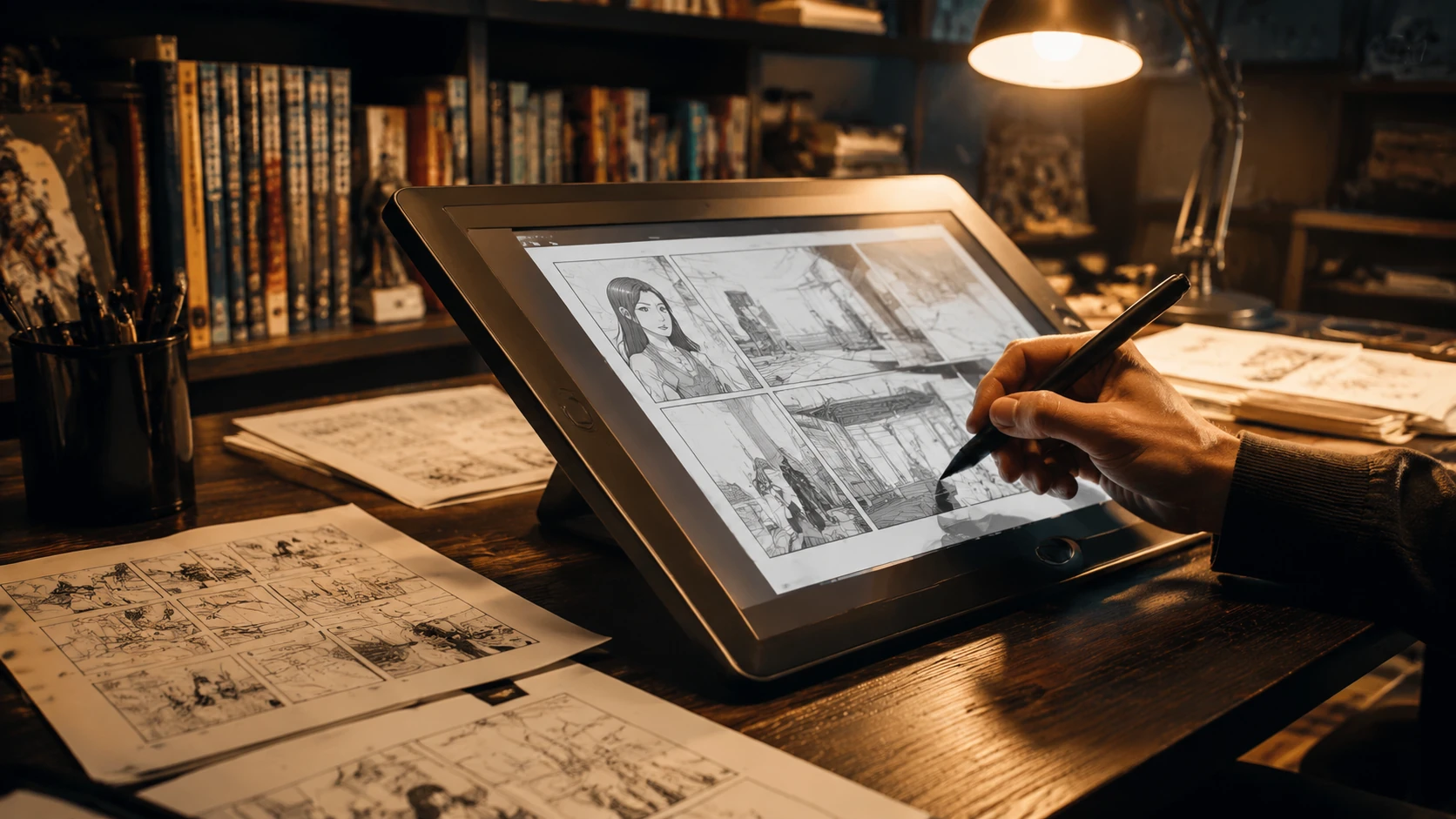
By 2026, the traditional boundaries between comic creation and IP management have effectively dissolved. In a market saturated with high-quality content, the most profitable independent creators are no longer focusing solely on reader-per-chapter revenue. Instead, they are adopting a 'Franchise-First' mindset. This strategy involves engineering a story’s narrative architecture from day one to be easily licensed, adapted, and expanded by third parties. Whether it is an indie game studio looking for a built-in lore system or a boutique fashion brand seeking iconic visual motifs, the secondary market has become the primary driver of long-term financial sustainability for the modern creator. This playbook outlines the technical and strategic steps required to turn a vertical-scroll webtoon into a modular IP franchise.
The Shift from Linear Stories to Franchisable Systems
The core difference between a 2024 story and a 2026 franchise is the 'Licensable Unit.' In the past, creators sold the rights to their entire story. Today, creators license specific narrative modules—character designs, unique magic systems, or specific world-building eras. This 'systemic' approach allows a creator to maintain control over their core IP while generating multiple revenue streams from secondary markets. By engineering your comic as a system, you reduce the friction for potential licensees. They don't have to guess how to adapt your work; the adaptation logic is already embedded in your narrative's DNA.
Engineering ‘Licensing Hooks’ into Your Narrative Architecture
To attract secondary-market partners, your comic needs more than just a good plot. It needs 'hooks'—visual and narrative elements that translate easily into other formats. In 2026, this means focusing on three specific layers of your IP:
- Visual Anchors: Iconic character silhouettes and recurring symbols that can be translated into merchandise or 3D assets without losing brand identity.
- Lore Modularity: A world-building structure that allows for 'side stories' or 'spin-offs' without breaking the main canon logic.
- Interactive Potential: Narrative beats that suggest gameplay loops, such as specific character abilities or environmental puzzles that an indie game developer can easily visualize.
The 2026 Secondary-Market Valuation Framework
How do you value an independent comic IP for licensing in 2026? It is no longer just about view counts. Modern valuation frameworks look at 'Lore Density' and 'Audience Sovereignty.' A series with 50,000 highly engaged readers who contribute to a community lore-wiki is often more valuable to a licensee than a series with 500,000 passive scrollers. Licensees are looking for IP that comes with a 'ready-to-activate' fan base. Your valuation deck should highlight your IP’s 'Adaptation Liquidity'—the ease with which your assets can be converted into game-ready sprites, 3D models, or physical product designs.
The Franchise Bible vs. The Lore Bible
While a Lore Bible tracks every detail of your story, a Franchise Bible is a business-facing document. It should include technical specifications for your characters (color palettes, turnarounds), the 'Rules of the Universe' for guest writers, and a clear list of what is 'Off-Limits' for licensees. This document is your most powerful tool for securing rapid secondary-market deals because it demonstrates that your IP is professional, organized, and ready for scale.
Step-by-Step: Preparing Your IP for Rapid Licensing
Preparing for the secondary market is a deliberate process. If you wait until a studio contacts you, you have already lost your leverage. Follow this three-step workflow to ensure your IP is licensing-ready:
- Step 1: The Modular Audit. Review your first 20 chapters. Identify characters, locations, and items that have the highest 'tangible value' outside the comic format.
- Step 2: Technical Standardization. Ensure all character and background assets are saved in high-resolution, layered formats (preferably vector-native) to facilitate easy transfer to animators or game developers.
- Step 3: The Licensing Deck. Create a 5-page 'Franchise Snapshot' that focuses on demographics, engagement metrics, and visual versatility rather than just the plot summary.
Common Pitfalls in Early-Stage IP Franchising
The most common mistake creators make is 'Rights Over-Extension.' In the excitement of a first licensing deal, many creators sign away all secondary rights for a small upfront fee. In the 2026 economy, rights should be 'Time-Gated' and 'Category-Specific.' Never sell 'all media' rights to a single entity. Instead, license the rights to a specific category (e.g., 'mobile game rights for 24 months') to keep your options open as your IP grows. Another pitfall is ignoring 'Narrative Drift'—allowing a licensee to change the core values of your characters, which can alienate your original audience and devalue the IP.
Conclusion: The Creator as a CEO
Moving from a 'writer/artist' role to a 'CEO of an IP' is the defining transition of the 2026 creator economy. By engineering your work for the secondary market, you aren't just making a comic; you are building a narrative engine that can run across multiple platforms and industries. The 'Narrative Franchising' playbook is not about compromising your art; it is about ensuring your art has the structural integrity to survive and thrive in a complex, multi-media future. Start building your franchise today, panel by panel.
FAQ
What is narrative franchising?
It is the process of designing a comic IP so its characters, world, and systems can be easily licensed for games, merchandise, and other media.
How do I value my comic IP for licensing in 2026?
Valuation is based on 'Adaptation Liquidity,' which measures how easily your assets translate to other formats, and 'Audience Sovereignty,' which measures community engagement depth.
Should I sell all my IP rights to a publisher?
No. In 2026, the standard is 'Modular Licensing,' where you license specific categories (like games or merch) for limited time periods.