The 2026 Narrative-First Merchandise Strategy: Building Scalable IP through Emotional Anch
Discover how the 2026 shift toward narrative-first merchandising is helping independent creators bypass traditional retail gatekeepers. Learn to turn story beats into high-value physical and digital assets.
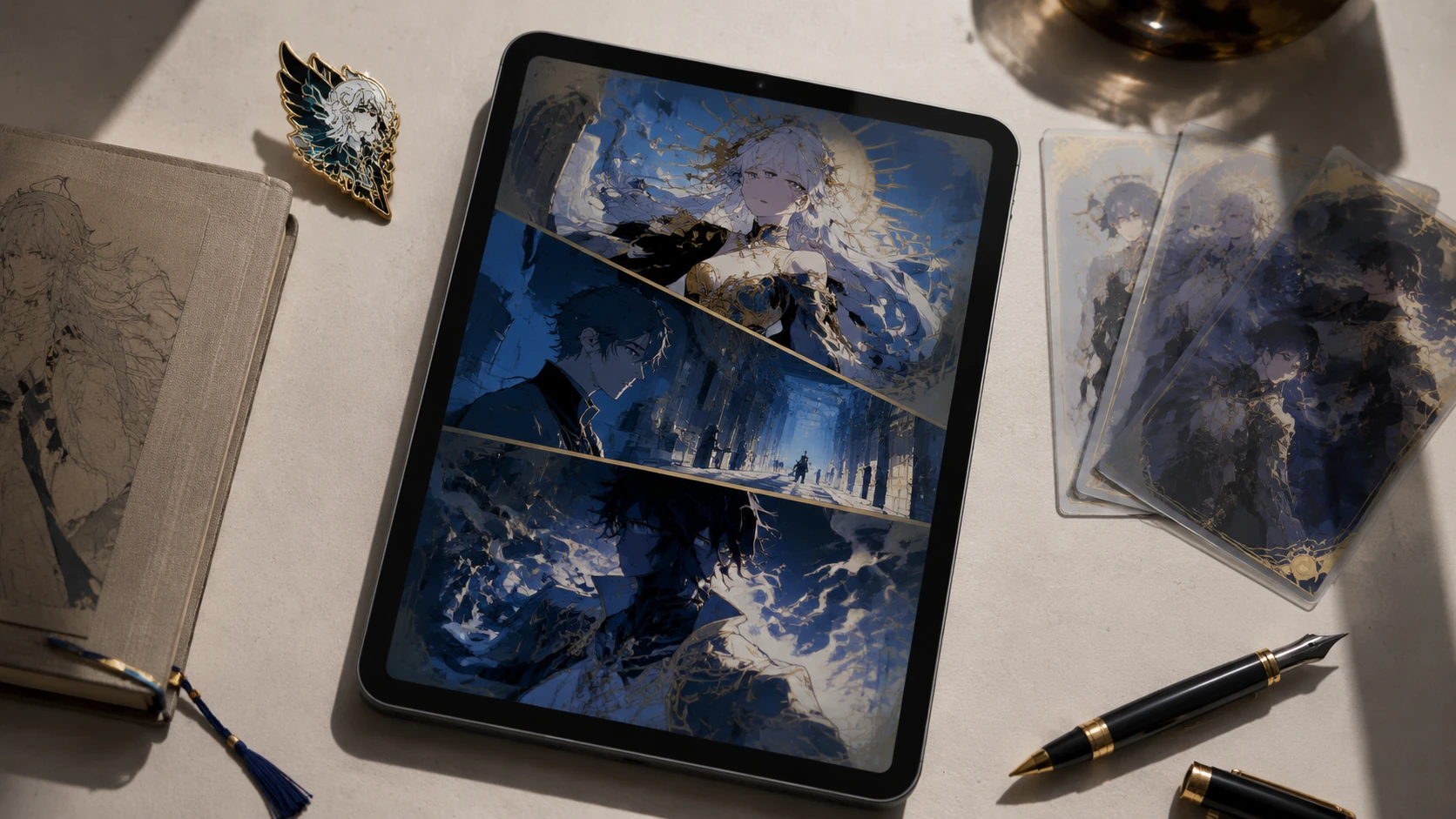
In 2026, the definition of a 'successful' webtoon or manga creator has shifted from mere view counts to the depth of IP resonance. As platform algorithms become increasingly saturated with AI-generated content, the 'Narrative-First' Merchandise Strategy has emerged as the definitive framework for independent studios to secure financial sovereignty. This approach moves away from generic logo-slapped t-shirts toward 'Emotional Anchor' products—items that exist as tangible extensions of the story's lore. By engineering products that solve a narrative 'craving' rather than just a fashion need, creators are seeing a 300% increase in per-user revenue compared to traditional ad-revenue models. This guide explores how to architect your comic's world to support these high-margin extensions from the very first panel.
The Shift from Generic Merch to Narrative Anchors
Traditional merchandising often feels like an afterthought—a desperate attempt to monetize a fading trend. In the 2026 landscape, the most successful creators are those who treat their merchandise as a 'Season 1.5' or a canonical expansion of their universe. This is what we call the Narrative Anchor. A Narrative Anchor is a physical object that plays a significant role in the story's world: a character's signature earring, a weathered map found in chapter five, or a replica of an in-universe permit. When a reader purchases these items, they aren't just buying plastic; they are buying a piece of the story's reality. This psychological shift is critical for building long-term IP value and fostering a community of 'Super-Fans' who value ownership over temporary consumption.
Why 2026 Readers Demand Tangibility
- Digital Fatigue: As reading becomes increasingly screen-bound, physical artifacts provide a grounding sensory experience.
- Status Signaling: Carrying a narrative-specific item serves as a 'secret handshake' for niche communities.
- IP Investment: Fans now view merchandise as a way to 'vote' for the continuation of the series they love.
- Limited-Run Scarcity: The 2026 market favors boutique, small-batch releases over mass-produced retail stock.
Identifying Your Story’s Emotional Anchors
Not every element of your comic is meant to be a product. To identify high-intent anchors, you must look for 'Visual Echoes'—symbols, colors, or objects that reappear during high-emotion story beats. In the 2026 framework, we use the 'Resonance Audit' to filter potential products. Ask yourself: Does this object represent a moment of character growth? Is it visually distinct enough to be recognized without a logo? If the answer is yes, you have found an anchor. For example, a romance webtoon might find success with a replica of a 'memory locket' mentioned in a flashback, whereas a fantasy manhwa might focus on high-quality 'guild badges' that signify reader tier levels.
The 2026 Production Workflow: Scaling with Lean Logistics
The barrier to entry for high-quality merchandising has vanished thanks to the rise of 'Boutique-on-Demand' (BOD) services. Unlike the low-quality print-on-demand models of the 2010s, 2026 BOD allows for premium materials like sustainable resins, recycled textiles, and smart-chipped collectibles. Creators should focus on a 'Drop' model—short-window, high-intent releases that minimize overhead and maximize urgency. This workflow integrates directly with your narrative pacing; you release the 'Relic' product exactly when it appears in the comic, creating a seamless bridge between the digital scroll and the physical mailbox. This 'Just-in-Time' storytelling commerce ensures that your inventory risk is low while your engagement remains at its peak.
Key Steps for an Independent Launch
- Prototype Early: Use 3D printing or local artisan samples to ensure the 'feel' matches the 'vibe' of the comic.
- Pre-Validation: Use reader polls or 'hidden' panels to gauge interest in specific objects before committing to production.
- Sustainable Sourcing: 2026 readers are highly conscious of environmental impact; use eco-certified materials to protect your brand reputation.
- Integrated Logistics: Use platforms that sync your shop directly with your comic's mobile reading interface for one-tap purchasing.
Legal Protections and IP Integrity
As you move into physical goods, protecting your visual assets becomes paramount. In the era of generative AI, 'Visual DNA' protection is the new standard. This involves registering your character's signature items and color palettes as part of your broader IP portfolio. Ensure that your contracts with manufacturers include clauses against 'over-runs' (producing extra units for the gray market) and unauthorized stylistic replication. By maintaining a tight grip on your physical extensions, you prevent the dilution of your brand and ensure that every item in the hands of a fan is a genuine piece of your creative legacy.
Case Study: The 'Sovereign Artist' Success Model
In early 2026, Studio Vanta launched a limited-edition 'Chronos Watch'—a non-functional, high-design accessory featured in their hit cyberpunk series. By bypassing traditional publishers and using a direct-to-fan 'Story-Drop' model, they generated $150,000 in revenue from a reader base of only 50,000 active users. The key wasn't the size of the audience, but the emotional weight of the product. The watch was a symbol of the protagonist’s lost time, and for the fans, owning it was a way to participate in the character's journey. This case study proves that niche, narrative-driven products out-perform mass-market apparel every time.
FAQ
What is a Narrative-First Merchandise Strategy?
It is a 2026 framework where products are designed as canonical extensions of a story's lore, focusing on emotional anchors rather than generic branding.
How do I start merchandising if I have a small audience?
Focus on the 'Drop' model using Boutique-on-Demand services. Target your 'Super-Fans' with high-value, low-volume items that have deep narrative significance.
Does my comic need to be finished to sell merch?
No. In fact, releasing 'Narrative Anchors' during the peak of a story arc is more effective for engagement and revenue than waiting until the series concludes.
What are the most popular comic product types in 2026?
Functional lore items (jewelry, stationery), high-end art books, and sustainable 'relic' replicas are currently outperforming standard apparel.