The 2026 ‘Narrative-Driven Ad-Placement’ (NDAP) Standard: Engineering Native Monetization
The 2026 NDAP standard offers a blueprint for creators and studios to monetize through native, lore-consistent brand placements within the comic panels themselves. Discover how to transition from interruptive banners to high-value narrative integration.
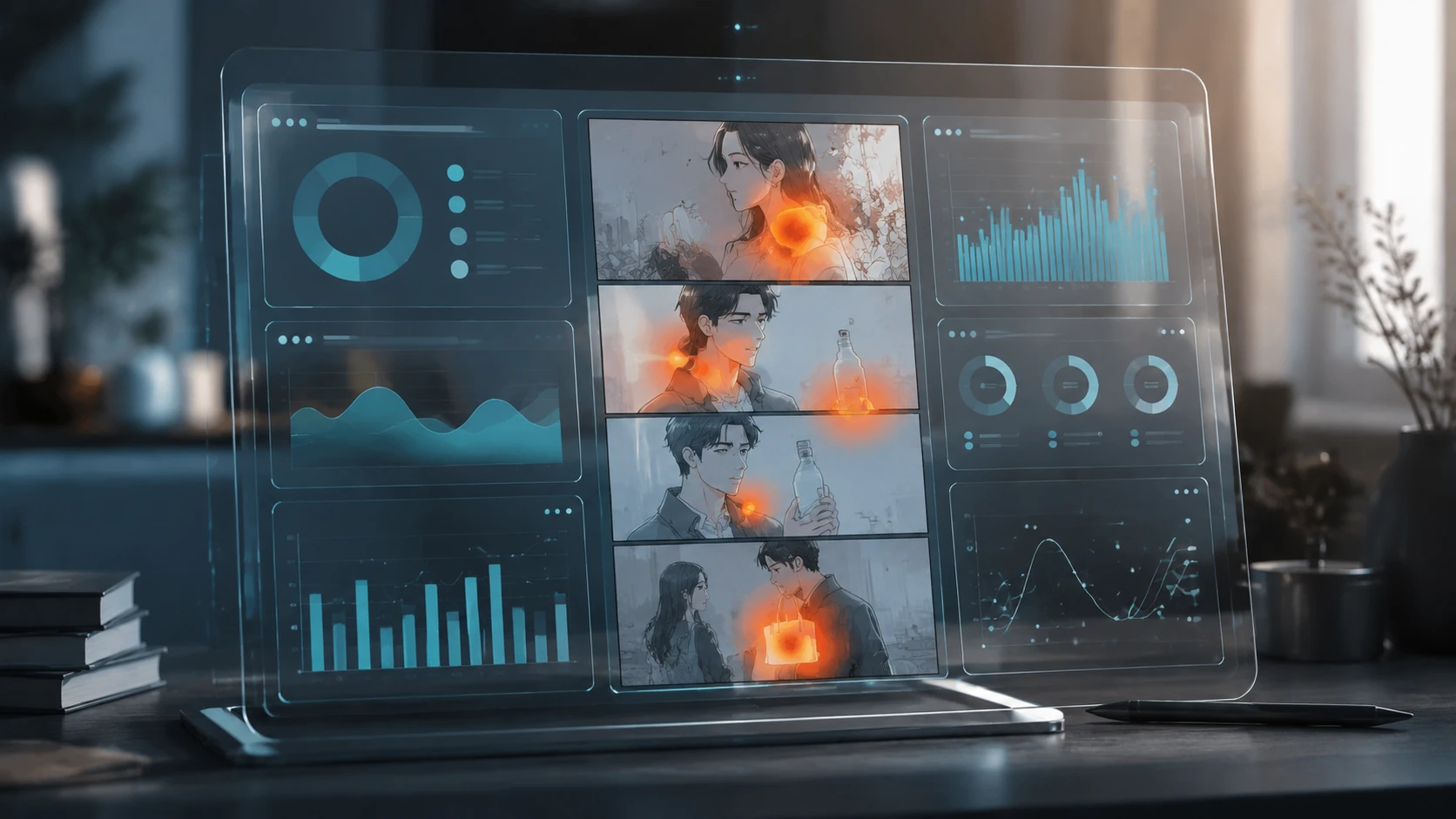
By 2026, the traditional banner ad in digital comics has reached a point of total obsolescence. Readers, conditioned by years of 'scroll-blindness' and equipped with sophisticated AI-driven ad-blockers, now treat interruptive interstitial ads as a signal of low quality. In response, the industry has pivoted to the ‘Narrative-Driven Ad-Placement’ (NDAP) standard. This framework moves beyond simple product placement to a deep-level engineering of brand assets into the story’s lore, environment, and character interactions. NDAP isn't about stopping the reader to sell a product; it’s about making the brand part of the world-building, ensuring that monetization supports rather than shatters the reader's suspension of disbelief. For studios and independent creators, mastering NDAP is no longer optional—it is the primary mechanism for sustaining high-fidelity production values in an increasingly competitive attention economy.
The Death of Interruption: Why NDAP is the 2026 Revenue Benchmark
The shift toward NDAP is driven by a fundamental change in reader psychology. In the 2026 market, comics are consumed as 'immersive experiences' rather than just static pages. Interruptive ads—those that pop up between chapters or sit at the bottom of the screen—create a high 'friction coefficient,' leading to churn rates as high as 15% per ad exposure. NDAP eliminates this friction by treating the advertisement as a background asset or a narrative prop. This method leverages the 'Halo Effect' of the story; if a beloved character uses a specific brand of beverage or visits a recognizable storefront, the brand inherits the emotional resonance of that scene. This results in a 400% higher click-through-intent compared to standard banners, as the placement feels like a recommendation rather than an intrusion.
The NDAP Framework: Three Levels of Integration
Successfully implementing the 2026 NDAP standard requires a tiered approach to visual and narrative scripting. Creators must decide how 'active' the brand placement needs to be based on the sponsorship agreement and the story's tone.
1. Passive Background Layering
This is the most common form of NDAP. It involves placing brand logos or products in the background of cityscapes, on storefronts, or as labels on items in a character's room. The key is 'Visual Cohesion'—the brand must be re-rendered to match the specific art style of the webtoon, ensuring it doesn't look like a pasted-in asset. In 2026, AI-assisted rendering tools allow creators to instantly apply their unique linework and shading to 3D brand models, making them indistinguishable from the original art.
2. Narrative Prop Interaction
Level 2 integration involves a character actually interacting with the branded item. A character checking their notifications on a specific model of smartphone or a protagonist wearing a real-world fashion brand's seasonal collection. This creates a powerful 'Lifestyle Association.' For the NDAP standard, these interactions must feel organic; if a character who is established as 'frugal' suddenly buys a luxury watch, the NDAP fails the 'Narrative Integrity' audit and damages the creator's E-E-A-T signals.
3. Lore-Embedded Plot Hooks
The most advanced level of NDAP involves making a brand or service central to a minor plot point. This might involve a character using a specific delivery app to solve a problem or a tech company’s new gadget being the catalyst for a scene. While high-risk, lore-embedded NDAP commands the highest premiums because it guarantees 100% reader engagement with the brand's core value proposition.
Maintaining E-E-A-T: The Ethical Disclosure Standard
As NDAP becomes the norm, the 2026 'Narrative Trust-Signal' requires transparent disclosure. To maintain high E-E-A-T (Experience, Expertise, Authoritativeness, and Trustworthiness) rankings in AI-driven search engines, creators must use standardized metadata to flag sponsored content. This is often done through a small, elegant 'Brand Partnership' tag in the chapter credits rather than a 'Sponsored' watermark on the panel itself. This transparency prevents the 'Hidden Influence' backlash that plagued early influencer marketing and ensures that the reader-creator relationship remains founded on honesty.
Technical Implementation: The NDAP Checklist
- Style Consistency: Does the brand asset use the same line weight and color palette as the rest of the panel?
- Visual Hierarchy: Is the product distracting from the focal point (the character's emotion or action)?
- Semantic Metadata: Have you tagged the brand interaction in the webtoon's JSON metadata for search indexing?
- Frequency Capping: Ensure no more than one Level 2 or Level 3 interaction occurs per 15 panels to prevent ad-fatigue.
- Regional Transcreation: Are the brands relevant to the local market where the reader is located (Dynamic Asset Swapping)?
The Future of NDAP: Dynamic Asset Swapping
The final frontier of the NDAP standard is 'Dynamic Asset Swapping.' By late 2026, major platforms will allow creators to upload 'Empty Shell' assets in their panels. A character holding a generic soda can in the source file will be seen holding a regionally relevant brand depending on whether the reader is in Tokyo, New York, or Paris. This level of hyper-localization maximizes revenue per reader and allows global brands to bid on specific narrative moments in real-time, much like the programmatic advertising of the past, but integrated seamlessly into the visual art of the future.
FAQ
Does NDAP count as 'selling out' for independent creators?
In 2026, NDAP is viewed as a professional production standard. When executed with style consistency, readers prefer it over interruptive banners because it keeps the reading experience clean.
How do I price NDAP placements in my webtoon?
Pricing is typically based on 'Retention-Weighted Impressions' rather than raw views. Higher weights are given to Level 2 and Level 3 interactions where the reader spends more time on the panel.
Can I use AI to automate NDAP?
Yes, current 2026 tools allow you to use 'Style-Transfer' nodes to automatically render brand products into your specific art style, maintaining visual harmony.