The 2026 Narrative Continuity Protocol (NCP): Engineering Lore Synchronization for Cross-M
Learn how the 2026 Narrative Continuity Protocol (NCP) prevents lore drift in multi-platform IP franchises. Discover the technical standards for real-time lore synchronization between comics, games, and streaming media.
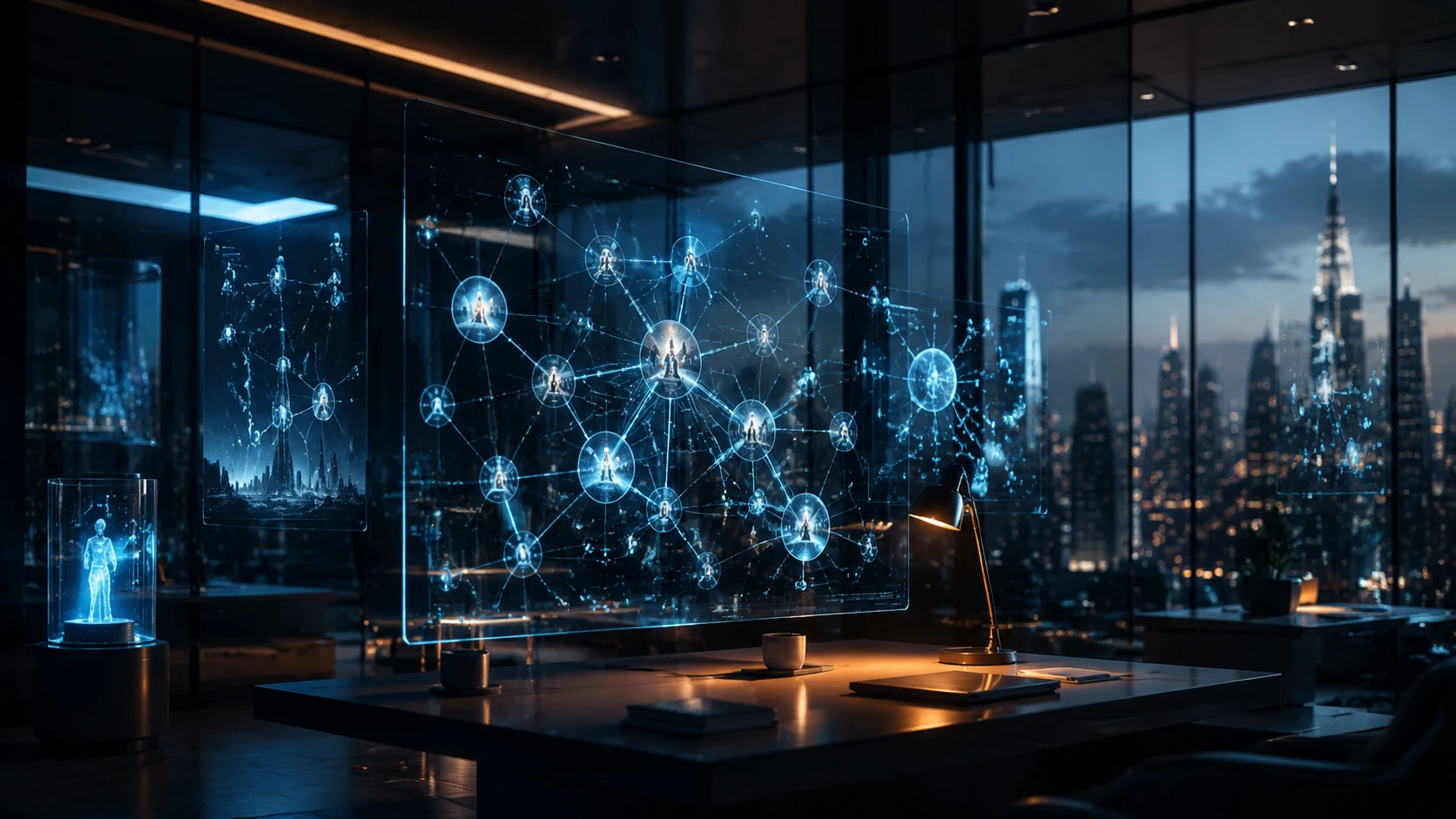
By 2026, the speed of IP adaptation has reached a critical velocity. A successful webtoon is no longer just a digital comic; it is simultaneously developed into a mobile RPG, a short-form animation series, and a physical merchandise line within months of its first viral arc. However, this rapid expansion has birthed a new technical crisis: 'Lore Drift.' When the game mechanics contradict the comic's power system, or a streaming adaptation alters a character’s foundational backstory, the resulting 'Canon Friction' causes immediate reader churn and devalues the IP. To solve this, the industry has adopted the 2026 Narrative Continuity Protocol (NCP)—a technical framework designed to engineer a single source of truth for narrative data across all media formats.
What is the Narrative Continuity Protocol (NCP)?
The Narrative Continuity Protocol is not just a style guide or a series of PDF bibles; it is a live, machine-readable metadata standard that syncs story assets across different production pipelines. In 2026, when a comic creator updates a character's status—such as an injury, a power-up, or a relationship shift—the NCP automatically pushes a 'state update' to the game developers, scriptwriters, and merchandise designers working on that IP. This ensures that the narrative remains a cohesive, living entity rather than a fragmented collection of loosely related media.
The Core Pillars of NCP Architecture
Implementing a successful NCP requires moving away from static documents toward dynamic, entity-based narrative databases. This shift allows for real-time auditing and synchronization of complex story worlds. The 2026 standard focuses on three primary pillars of architecture.
1. The Master Lore Ledger (MLL)
The MLL acts as the 'blockchain of narrative truth.' It is a centralized database where every character trait, historical event, and world rule is logged as a unique entity. Unlike a traditional wiki, the MLL is API-driven, allowing third-party tools (like Unreal Engine for games or Final Draft for scripts) to pull the latest canon data directly into the production environment. If a writer attempts to introduce a plot point that violates a rule established in the MLL, the system flags a 'Continuity Collision.'
2. Entity-Based Versioning
In 2026, characters are no longer just images; they are 'Narrative Entities' with versioned states. For example, 'Protagonist_Arc_1' might have different physical attributes and psychological flags than 'Protagonist_Arc_3.' The NCP manages these transitions, ensuring that a toy manufacturer doesn't release a figure based on an outdated character design while the comic has moved into a new narrative phase.
Solving Canon Friction in Cross-Platform Adaptations
Canon Friction occurs when different creative teams interpret the source material inconsistently. In the pre-2026 era, this was handled by human 'continuity editors,' but as IP scaling becomes more automated, the NCP takes over the heavy lifting. By using semantic tagging, the protocol ensures that the 'emotional logic' of a story is preserved. If the comic's protagonist is defined as 'non-violent,' the NCP prevents an automated game quest generator from assigning them a high-casualty combat mission, thereby protecting the brand's integrity and reader trust.
The Role of AI in Automated Continuity Auditing
The true power of the 2026 NCP lies in its integration with Generative AI and LLMs. Modern production studios use AI 'Continuity Observers' that scan every new panel of a webtoon or every line of a screenplay against the MLL. These systems are trained on the specific logic of the IP’s universe. If a character uses a magic spell they haven't learned yet, or if a background detail contradicts the established geography of the world, the AI provides an instant audit report, saving hundreds of hours in manual revision and preventing embarrassing community call-outs.
Strategic Benefits: Retention and Franchise Liquidity
Why invest in a complex technical protocol for storytelling? The answer lies in franchise liquidity—the ease with which an IP can flow into new revenue streams. An NCP-compliant IP is significantly more valuable to investors because it is 'adaptation-ready.' When a Netflix or a Sony looks to acquire rights, they are looking for IPs that won't require a total narrative overhaul to fit a new medium. Furthermore, readers in 2026 are increasingly sophisticated; they reward high-density, consistent lore with long-term loyalty and higher Lifetime Value (LTV).
NCP Implementation Checklist for 2026
- Audit current IP assets and convert static bibles into a centralized Lore Graph.
- Establish an API-first Master Lore Ledger (MLL) accessible to all production partners.
- Implement Semantic Tagging for character traits, power systems, and world rules.
- Deploy AI Continuity Observers to automate script and panel auditing.
- Set up 'Narrative Webhooks' to notify partners of major canon shifts in real-time.
- Define 'Immutable Canon' vs. 'Flexible Adaptation' zones to allow for creative freedom without breaking core logic.
As we move further into the era of the 'Sovereign IP,' the ability to maintain a consistent narrative across an infinite array of digital touchpoints will be the defining factor of success. The Narrative Continuity Protocol is the infrastructure that makes this consistency possible, turning a single story into a robust, multi-billion-dollar ecosystem that never loses its way.
FAQ
Does NCP limit creative freedom for adaptors?
No. The NCP defines the 'guardrails' of a story. It allows creators to innovate within established rules while preventing contradictions that break reader immersion and IP value.
Is the Master Lore Ledger (MLL) expensive to build?
In 2026, many 'Lore-as-a-Service' platforms provide the infrastructure for MLLs at a scalable cost, making it accessible even to boutique studios.
How does NCP affect small independent creators?
Independent creators use simplified NCP frameworks to ensure their webtoon and novel versions stay in sync, making their IP more attractive to future licensing partners.