The 2026 Narrative API: Engineering Interoperable Comic Data for the Third-Party Ecosystem
Discover how the 2026 Narrative API is transforming static webtoons into dynamic data sources for the broader digital ecosystem. Learn the protocols for syncing IP assets with external interactive platforms.
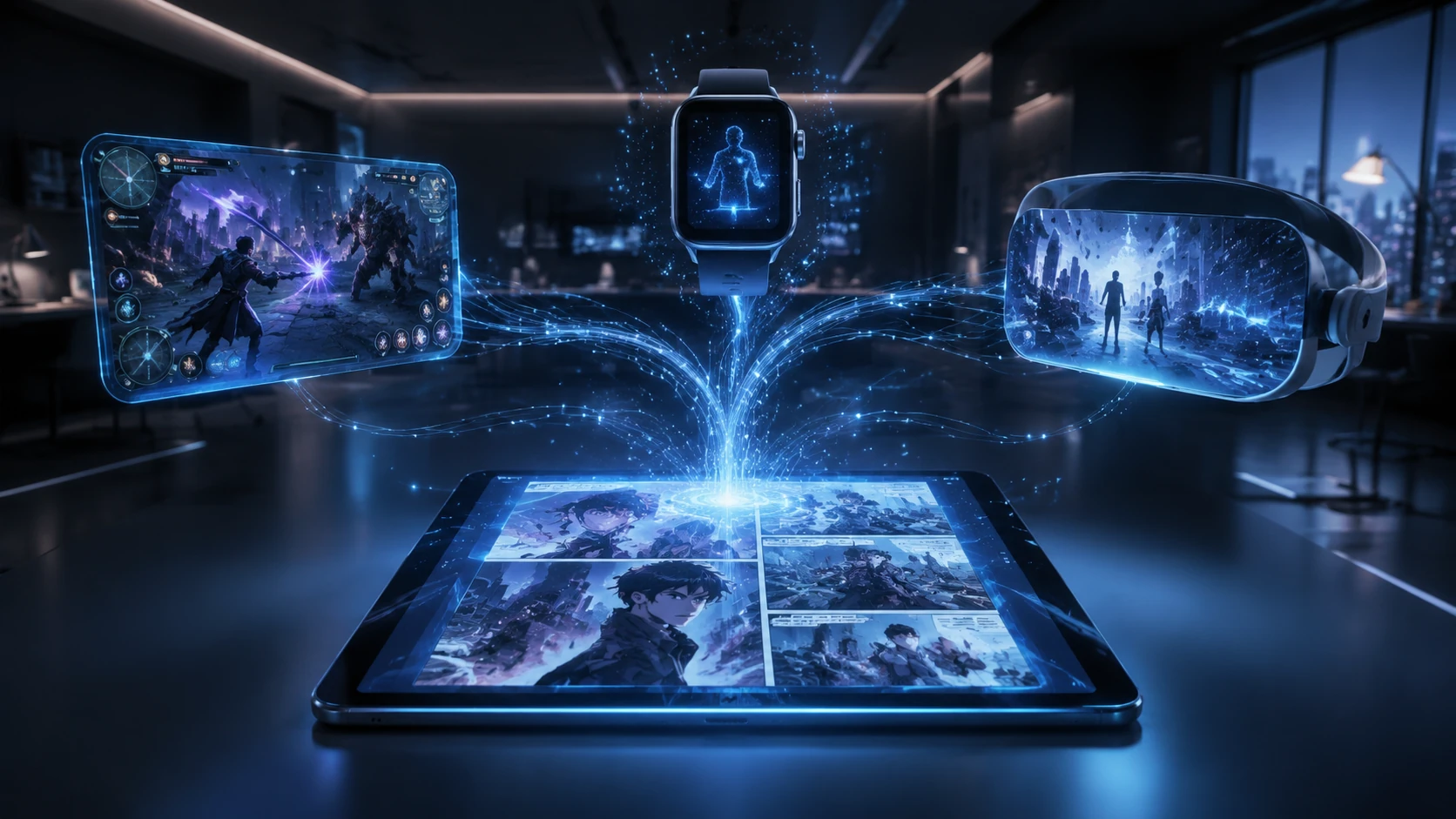
In 2026, a webtoon is no longer a 'flat' series of images hosted on a siloed platform. As the industry moves toward transmedia dominance, the introduction of the 2026 Narrative API (N-API) has become the technical backbone for creators looking to scale their IP beyond the scroll. This standard allows story data—including character status, world-state, and lore nodes—to be queried by external applications, games, and smart devices in real-time. For studios, this means a reader's progress in a comic can trigger a reward in a companion mobile game or update a 'lore widget' on a fan's smart home display. This shift from 'closed-loop reading' to 'open-ecosystem narrative' marks the most significant architectural change in digital publishing since the transition to infinite scroll, turning comics into living data sources.
Defining the Narrative API Standard: From Images to Objects
The core of the 2026 Narrative API is the transition from treating a comic as a sequence of PNG/WebP files to treating it as a collection of 'Narrative Objects.' Each object contains not just visual assets, but a semantic payload that describes what is happening in the scene. When a developer hooks into a comic's N-API, they aren't just pulling an image; they are pulling the 'state' of the story. This involves a JSON-based structure that tracks variables such as character relationships, inventory items in a fantasy series, or the current 'world-date' in a sci-fi epic.
The Three Pillars of N-API Interoperability
- Stateful Syncing: Tracking reader progress and narrative choices across multiple platforms simultaneously.
- Entity Querying: Allowing external apps to request specific lore details (e.g., 'What is character X's current power level?') without manual data entry.
- Dynamic Asset Delivery: Serving different versions of a character's design based on their current status in the story arc.
The Webtoon-to-Gaming Pipeline: Live Engagement
The most immediate impact of the 2026 Narrative API is seen in the gaming industry. Previously, adapting a webtoon into a game was a static process—the game was developed based on a fixed point in the story. With N-API, the game can react to new chapters as they are published. If a character loses a weapon in the Wednesday chapter release, the player's in-game avatar can lose that weapon in the mobile game at the exact same moment. This 'Narrative Mirroring' increases reader engagement by 40% as it creates a cohesive, multi-platform reality.
Technical Infrastructure: Implementing the Protocol
Implementing a Narrative API requires a move away from traditional CMS setups toward a Headless Comic Architecture. In this model, the story content is stored in a structured database, and the presentation layer (the webtoon app, the game, the smart device) is simply one of many clients. Developers use RESTful endpoints or GraphQL queries to fetch the specific data they need. Security is managed through OAuth 2.0 protocols, ensuring that only authorized third-party apps can access the 'lore-state' of a specific user or IP.
Essential Tech Stack for N-API Integration
- Headless CMS: Contentful or Sanity optimized for vertical panel assets.
- Vector-Native Lore Graphs: Databases that store relationships between characters and events.
- Webhook Listeners: Systems that trigger external events when a new chapter is published or read.
- Narrative Schema: A standardized XML/JSON format that ensures cross-platform readability.
Security, Privacy, and IP Sovereignty
Opening up story data through an API presents unique challenges in IP protection. To prevent unauthorized scraping of the entire story lore, 2026 standards employ 'Rate-Limited Story-Telling.' This ensures that third-party apps can only query data that the user has already unlocked through reading milestones. Furthermore, 'Lore Encryption' prevents AI models from mass-scraping the API to generate unauthorized sequels, as every data request must be signed with a unique creator-held key.
The Future: Programmatic Storytelling and Beyond
As we look toward 2027, the Narrative API will likely evolve into 'Bi-Directional Narrative Streams,' where reader feedback and game performance can actually influence the upcoming chapters of a webtoon. This technical bridge transforms the act of reading from a passive experience into a participation in a vast, interconnected digital ecosystem. Studios that adopt these API standards today are setting the foundation for the next decade of IP management, where stories are not just read, but lived across the entire digital landscape.
FAQ
What is a Narrative API in simple terms?
It is a technical bridge that allows your comic's story information—like plot points and character details—to be shared automatically with other apps and games.
Do I need to be a coder to use the Narrative API?
While the setup requires technical knowledge, most 2026 platforms provide 'Low-Code' interfaces for creators to define their story variables and lore nodes.
How does this help with monetization?
You can license your story data to game developers or app creators, charging for access to the live 'state' and assets of your IP.
Can I prevent people from stealing my story through the API?
Yes, the 2026 standard includes encryption and rate-limiting to ensure only authorized users and apps can access your data.