The 2026 Narrative Accessibility Standard: Engineering Inclusive Webtoons for Global Reach
Discover why narrative accessibility has become a top-tier search signal and growth driver for webtoons in 2026. Learn the framework for building inclusive digital comics.
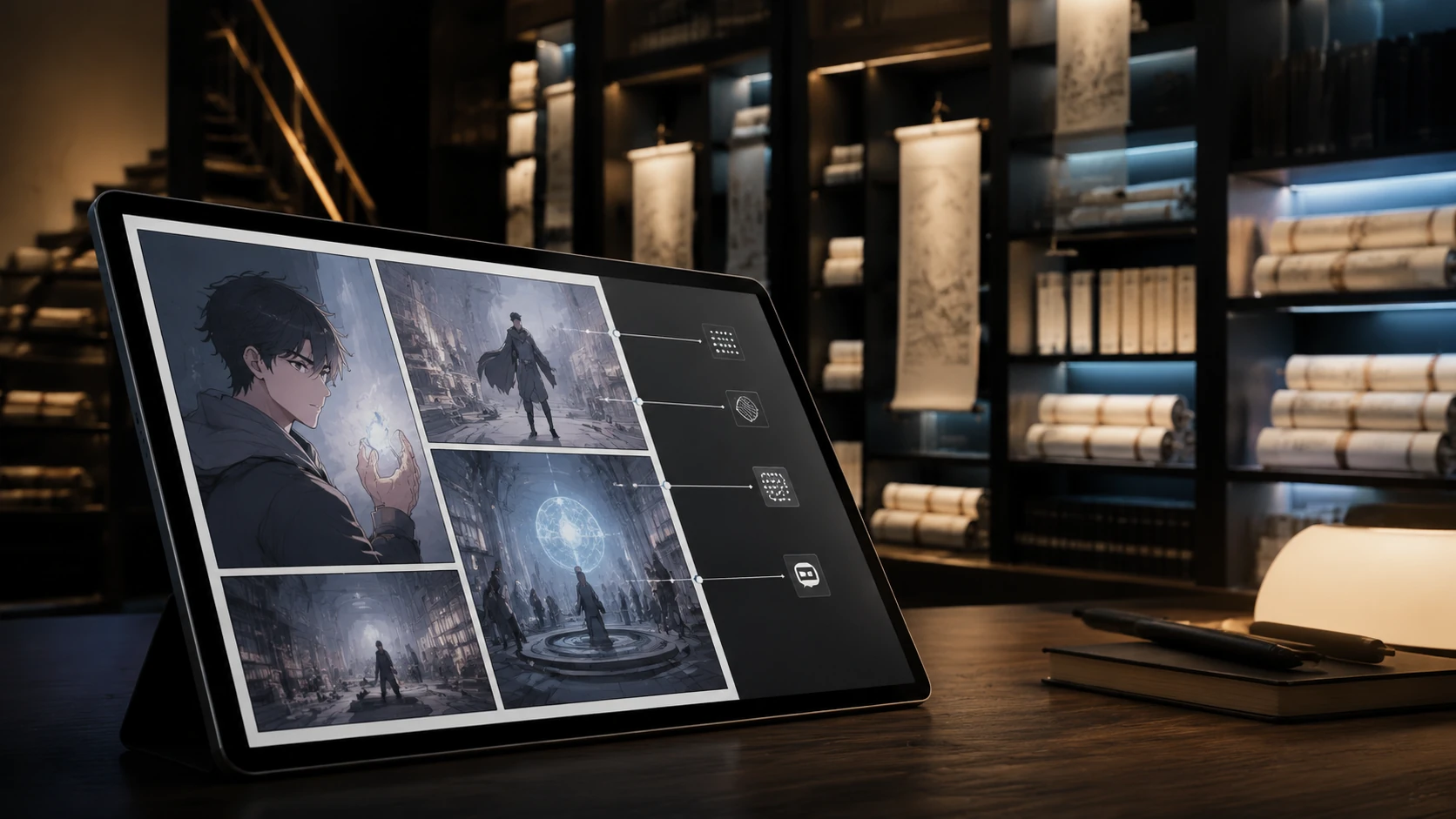
By 2026, the definition of a 'high-quality' webtoon has expanded beyond visual artistry and plot density. The Narrative Accessibility Standard (NAS) has emerged as a critical framework for creators and publishers who seek to reach the broadest possible global audience. Accessibility is no longer a niche consideration; it is a primary search signal for generative engines and a fundamental component of the 'Helpful Content' ecosystem. As AI-driven discovery engines like Google and specialized comic aggregators prioritize content that can be consumed by readers with varying visual, cognitive, and motor abilities, mastering the NAS has become a prerequisite for achieving top-tier visibility and long-term reader retention.
The Core Pillars of the 2026 Narrative Accessibility Standard
The NAS is built upon three foundational pillars: Semantic Clarity, Cognitive Load Management, and Multi-Modal Delivery. Semantic Clarity involves the integration of high-fidelity alt-text and 'Semantic Panel Descriptions' (SPD) that allow screen readers to narrate the visual action without losing the emotional nuance of the scene. In the 2026 landscape, these descriptions are not just technical requirements—they are literary extensions of the story. Cognitive Load Management focuses on vertical pacing, ensuring that the scroll velocity and information density do not overwhelm readers with neurodivergent needs or processing sensitivities. Finally, Multi-Modal Delivery ensures that the comic IP is structured to be consumed as a visual, audio-descriptive, or haptic-enabled experience simultaneously.
Semantic Panel Description (SPD) Protocol
- Descriptive Layering: Moving beyond 'character stands' to 'Aris stands defiantly, shadows stretching across the cracked pavement.'
- Spatial Metadata: Tagging panels with location and proximity data to help AI assistants describe the scene's geometry.
- Emotional Anchors: Including metadata that identifies the core emotion of a panel to assist screen readers in tone modulation.
- Onomatopoeia Tagging: Ensuring sound effects are translated into descriptive text for both hearing-impaired and audio-only readers.
Why Accessibility is a Primary Search Signal in 2026
Search engines in 2026 use 'Inclusivity Score' as a proxy for content helpfulness. A webtoon that includes robust accessibility metadata is categorized as a more authoritative and reliable entity. When a user searches for 'high-tension thriller webtoon with strong character development,' AI search assistants don't just look for keywords; they look for the Semantic Metadata Layer that proves the story is well-structured and universally accessible. By providing clear, machine-readable descriptions of your visual narrative, you are essentially providing the search engine with a 'map' of your story’s emotional and plot beats, leading to higher rankings in Generative Search Experiences (GSE).
Cognitive Load and the 'Scroll-Safe' Design Philosophy
The 2026 standard introduces the concept of 'Scroll-Safe' design, which addresses the fatigue often caused by infinite scroll environments. This involves optimizing the 'white space to panel' ratio to prevent visual clutter, which is particularly important for readers with ADHD or dyslexia. Strategic use of gutter space acts as a cognitive 'reset' button, allowing the brain to process information before moving to the next narrative beat. Creators are now using 'Variable Pacing'—intentionally slowing down the scroll speed in complex panels through visual cues—to ensure that no reader is left behind due to the sheer speed of mobile consumption.
Implementing High-Contrast Logic
Color-blindness and low-vision accessibility are addressed through High-Contrast Logic (HCL). This doesn't mean sacrificing your artistic palette; rather, it means ensuring that the value structure (light vs. dark) of your panels remains readable even when colors are desaturated. The 2026 NAS recommends testing every chapter in grayscale to ensure that the focal points of each panel are still distinguishable. This practice not only aids accessibility but also improves the overall composition and 'readability' of the comic for all users, especially those reading in high-glare outdoor environments.
The Economic Case for Narrative Accessibility
Beyond ethical considerations and SEO, there is a clear financial incentive for adopting the NAS. Inclusive content has a significantly higher 'Total Addressable Market' (TAM). By making webtoons accessible to the millions of readers with disabilities, platforms are seeing a direct correlation with increased LTV (Lifetime Value) and lower churn rates. Furthermore, accessible metadata makes the IP significantly easier to adapt into other formats. A well-tagged webtoon is essentially 'pre-scripted' for an audiobook or an audio-drama, reducing the cost of cross-media expansion by up to 40%.
Common Mistakes in Accessibility Implementation
- Generic Alt-Text: Using 'Chapter 1' as alt-text for every image, which destroys your SEO and insults the reader.
- Over-Stimulating FX: Using excessive flashing or vibrating UI elements that can trigger seizures or sensory overload.
- Font Neglect: Using stylized fonts that are unreadable by OCR (Optical Character Recognition) tools or people with low vision.
- Ignoring the 'Quiet' Reader: Failing to provide text-based descriptions for important silent visual metaphors.
Conclusion: The Future is Universally Readable
The 2026 Narrative Accessibility Standard represents a shift from 'exclusive' visual storytelling to 'inclusive' narrative engineering. As the webtoon market continues to mature and compete for attention in a saturated digital landscape, the creators who prioritize the diverse needs of their global audience will be the ones who build the most resilient and profitable IPs. Accessibility is no longer an afterthought—it is the foundation of a modern, high-performing comic strategy. By integrating these standards today, you are not only future-proofing your content but also contributing to a more equitable and connected world of digital storytelling.
FAQ
Does following accessibility standards limit my artistic freedom?
No. The 2026 NAS is about adding layers of metadata and optimizing visual hierarchy, not restricting your style. High-contrast logic and semantic tagging actually enhance your artistic impact by ensuring your story's core beats are clear to everyone.
How does accessibility impact my webtoon's SEO?
Search engines use accessibility metadata to understand the 'vibe' and content of your comic. Detailed semantic descriptions act like high-quality keywords that help AI engines match your story with the right reader intent.
What is the fastest way to start implementing the NAS?
Start with Semantic Panel Descriptions (SPD). Write a one-sentence descriptive tag for every major panel in your next update. This improves both accessibility and your internal lore documentation.