The 2026 ‘Micro-Hook’ Architecture: Engineering Webtoons for the 15-Second Attention Econo
In 2026, the battle for reader attention is won or lost in the first 15 seconds. This guide provides a technical framework for engineering 'Micro-Hooks' that stop the scroll and convert casual browsers into loyal subscribers.
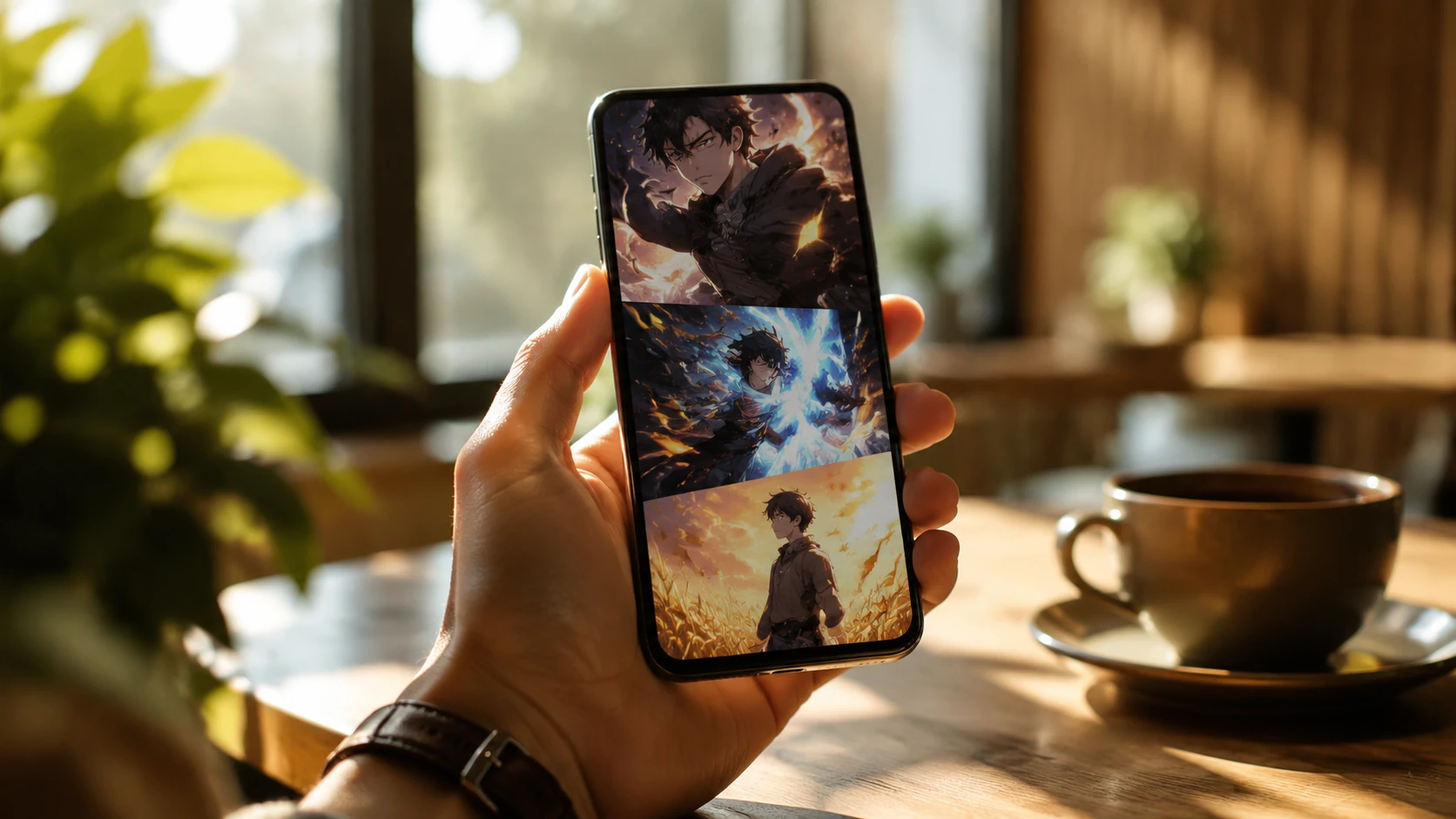
By 2026, the convergence of short-form video habits and vertical-scroll comics has fundamentally altered reader psychology. The 'infinite scroll' generation no longer grants creators the luxury of a slow-burn introduction. Data from major platforms indicates that the decision to continue reading or 'bounce' is now made within the first 15 seconds of opening a chapter. To survive this high-velocity environment, creators must move beyond traditional storytelling and adopt 'Micro-Hook' Architecture. This framework isn't about clickbait; it is about engineering immediate visual and narrative value that aligns with the neuro-narrative patterns of modern mobile users. In this guide, we break down the technical requirements for building a high-retention opening that satisfies both human readers and AI-driven recommendation engines.
The Psychology of the 2026 Hyper-Skimmer
Modern readers engage in what we call 'Semantic Skimming'—a process where the brain scans for visual cues and high-density narrative markers before committing to deep reading. In 2026, the average time spent on an unproven IP's first three panels has dropped by 40% compared to 2022. This shift is driven by the saturation of content and the integration of comic discovery into social feeds like TikTok and YouTube Shorts. To capture this audience, your webtoon must provide an 'Instant Value Proposition.' This means the reader must understand the genre, the stakes, and the unique visual 'flavor' of your series within the first three scrolls. Failing to establish this leads to high bounce rates, which negatively impacts your visibility in platform algorithms that prioritize 'Time on Page' and 'Scroll Depth.'
Pillar 1: Visual Gravity and Focal Anchors
The first pillar of Micro-Hook Architecture is Visual Gravity. This refers to the use of composition and color theory to physically stop the reader's thumb. In a vertical environment, the eye naturally drifts downward; you must create 'anchors' that interrupt this flow. This is achieved through high-contrast focal points and 'Panel Breaking'—where characters or effects bleed out of the traditional gutter space. In 2026, the most successful creators use 'Chromic Cues,' or specific color palettes that signal genre instantly (e.g., desaturated teals for psychological thrillers, high-saturation magentas for high-fantasy). By establishing a strong visual anchor in the first 500 pixels of your vertical canvas, you reduce the cognitive load on the reader, making it easier for them to transition from 'skimming' to 'investing.'
Pillar 2: Narrative Friction vs. Semantic Speed
The second pillar involves balancing Narrative Friction (the elements that make a reader pause and think) with Semantic Speed (how quickly the basic plot is understood). A common mistake in 2026 is over-simplifying the story to fit the 15-second window. However, 'Zero-Friction' stories are often forgotten instantly. The goal is to introduce a 'Micro-Mystery'—a small, unanswered question that requires the reader to scroll further to solve. This could be a visual anomaly in the background or a cryptic line of dialogue that contradicts the character's expression. By engineering this friction early, you create a 'Dopamine Bridge' that carries the reader from the free preview panels into the paid or subscription-based content.
Step-by-Step: Engineering Your First 5 Panels
To implement Micro-Hook Architecture effectively, follow this specific structural sequence for the opening of your flagship chapter or series debut:
- Panel 1 (The Disruptor): A full-width, high-impact visual that establishes the 'Atmospheric Tone' without heavy dialogue.
- Panel 2 (The Proximity): A close-up on a character's emotional state, creating an immediate empathetic link.
- Panel 3 (The Inciting Detail): A 'Micro-Hook' object or gesture that introduces a question or conflict.
- Panel 4 (The Wide-Angle Shift): A sudden change in perspective to show the scale of the world or the immediate stakes.
- Panel 5 (The Retention Pivot): A cliffhanger or transition that leads directly into the next narrative beat, preventing 'scroll-stop'.
Common Mistakes to Avoid
The most prevalent error in 2026 webtoon production is the 'Introductory Dump.' Many creators still open with three panels of world-building text or historical lore. In the 15-second attention economy, this is a terminal mistake. Readers will skip text-heavy openings 70% of the time. Another mistake is 'Visual Noise'—over-complicating the first panels with too many characters or intricate backgrounds that don't translate well to small mobile screens. Your opening must be 'Glanceable.' If a reader cannot understand the core emotion of the first screen in a single glance, the architecture has failed.
Measuring Success: The 2026 Retention Metrics
Success in 2026 is no longer measured solely by 'Views.' Creators must look at 'Micro-Retention' data—specifically the drop-off rate between the first and fifth panels. A healthy Micro-Hook should maintain at least 85% of readers through the first screen-length of content. Platforms are increasingly sharing 'Heatmap' data with creators, showing exactly where readers stop scrolling. Use this data to iterate on your Micro-Hooks. If you see a consistent drop at panel 4, it likely means your 'Narrative Friction' is too high or your 'Semantic Speed' is too low. Constant refinement of these opening beats is the hallmark of a top-tier 2026 studio.
FAQ
How long should a 'Micro-Hook' be?
In 2026, the Micro-Hook should be established within the first 1,000 to 1,500 vertical pixels, which typically equates to 3-5 panels on a standard smartphone.
Does this work for slow-burn romance or drama?
Yes. Even slow-burns need an 'Emotional Hook.' The Micro-Hook doesn't have to be action; it can be an intense moment of tension or a compelling character beat that promises future payoff.
Will AI search engines penalize these fast-paced openings?
No. AI search and recommendation engines in 2026 prioritize 'User Satisfaction Signals.' High retention in the first 15 seconds is the strongest signal that your content is helpful and high-quality.