The 2026 ‘Micro-Community’ Retention (MCR) Standard: Engineering Private Reader Hubs for Sustainable Creator Independence
Master the 2026 Micro-Community Retention (MCR) framework. Learn to engineer private reader hubs that bypass platform algorithm fatigue and secure direct-to-fan revenue.
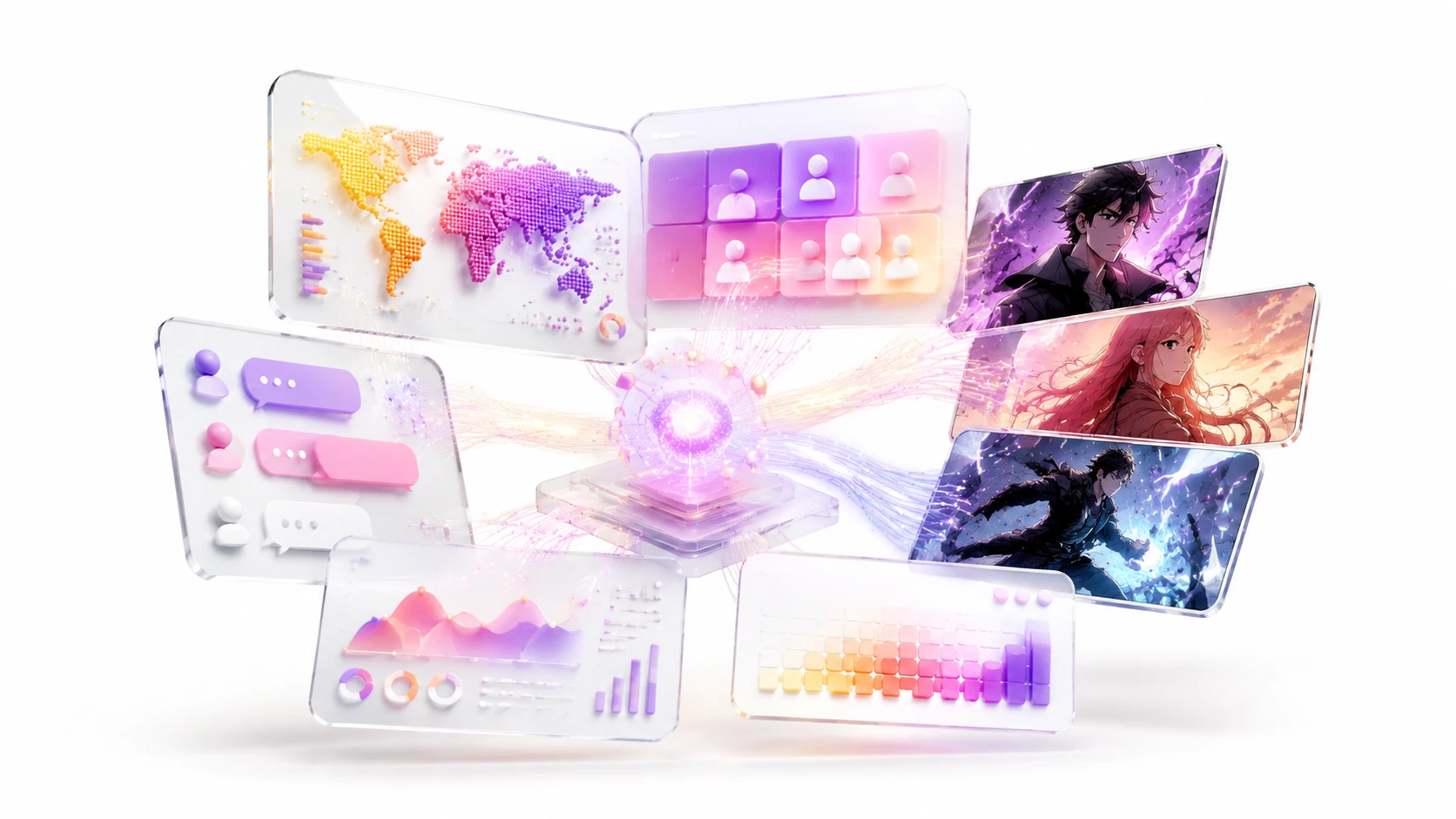
The 2026 webtoon and manga landscape has shifted from a 'Platform Era' to a 'Sovereign Era.' While platforms like WEBTOON or Tapas remain essential for discovery, the MCR (Micro-Community Retention) Standard has become the benchmark for creator survival. This strategy focuses on migrating high-value readers into private, creator-owned hubs where the algorithm cannot interfere with the relationship. By 2026, the noise on public feeds has become so intense that readers are actively seeking these 'Digital Sanctuaries'—intimate spaces where they can engage deeply with their favorite stories and creators without distraction.
The Anatomy of a Sovereign Hub
A sovereign hub is more than just a chat room; it is a meticulously engineered environment designed for narrative immersion and community agency. It typically consists of three layers: the Content Layer (where the comic is hosted), the Social Layer (where the community interacts), and the Value Layer (where transactions occur). Unlike social media platforms, these hubs are 'context-aware,' meaning every feature is tailored to the specific world of the comic. For a fantasy series, this might include lore-based ranking systems; for a romance series, it might include community-driven character shipping polls.
Key Components of the MCR Framework
- Data Sovereignty: Owning the email list, member profiles, and behavioral data to bypass platform black boxes.
- Tiered Immersion: Offering different levels of community access based on engagement or support tiers.
- Lore-Integration: Making the community part of the story's 'Extended Universe' through interactive events.
- Direct Monetization: Processing payments through integrated gateways to avoid high platform fees.
Engineering the 'Lore-Loop' Engagement Strategy
The Lore-Loop is the primary engine of retention within a micro-community. It works by creating a symbiotic relationship between the main story and the hub content. When a new chapter drops on a public platform, the creator simultaneously releases 'Lore-Fragments'—deleted scenes, character sketches, or world-building notes—within the hub. This creates a powerful incentive for readers to transition from the platform to the hub. Over time, the hub becomes the primary source of story 'truth,' making it an indispensable part of the reader's routine.
In 2026, this loop is often automated using AI agents that can generate personalized lore summaries for new members or run automated 'Trivia Nights' based on the latest plot developments. This ensures that the community remains active even when the creator is focused on production. The key is to ensure that the hub content adds value without making the main story feel incomplete for those who haven't joined yet. It's about 'Additive Storytelling'—giving the super-fans more of what they love.
Monetization: From Volume to Density
Platform monetization relies on volume—getting millions of views to earn a living from ad-revenue. The MCR Standard flips this by focusing on density—earning more from a smaller, highly engaged group. In 2026, a creator with 5,000 members in their sovereign hub can often out-earn a creator with 500,000 followers on a major platform. This is because hub members are not just passive consumers; they are stakeholders who are willing to pay for exclusivity, early access, and physical collectibles that signify their status within the community.
Monetization Tiers in the MCR Model
- The Observer (Free): Access to basic community channels and weekly lore updates.
- The Resident (Paid): Early access to chapters, exclusive emojis, and voting rights on minor plot points.
- The Elder (Premium): Direct creator interaction, limited edition physical merch, and credit mentions in the comic.
The 2026 Implementation Checklist
To successfully engineer a micro-community under the MCR Standard, creators should follow a structured rollout. First, audit your current audience to identify the 'monetizable core.' Second, select a platform-agnostic stack (e.g., a combination of Discord, a headless CMS, and a payment processor like Stripe). Third, establish a 'Culture Manifesto'—a set of rules and values that define how the community interacts. Finally, launch a 'Founder's Program' to reward early adopters with permanent status within the hub.
FAQ
What is the 2026 MCR Standard?
The Micro-Community Retention (MCR) Standard is a framework for webtoon and manga creators to build sovereign, private reader hubs that ensure data ownership and sustainable direct-to-fan revenue.
Why should I move my readers away from major platforms?
Moving readers to a sovereign hub protects you from algorithm changes, platform fee increases, and allows for much higher monetization per reader through exclusive engagement.
How many fans do I need for a sovereign hub to be viable?
In 2026, the '100 Super-Fans' model is highly viable. A small, dedicated group can provide a full-time income through tiered support and high-margin digital/physical products.
What tools are needed for the MCR Standard?
A typical 2026 stack includes a community platform (like Discord), a headless CMS for your comic, a direct payment gateway, and AI-assisted moderation tools.