The 2026 IP Syndication Playbook: Why Independent Studios are Bypassing Major Publishers f
In 2026, the power dynamic has shifted. Independent studios are now using sophisticated reader analytics to negotiate directly with streaming giants, cutting out traditional publishing middlemen.
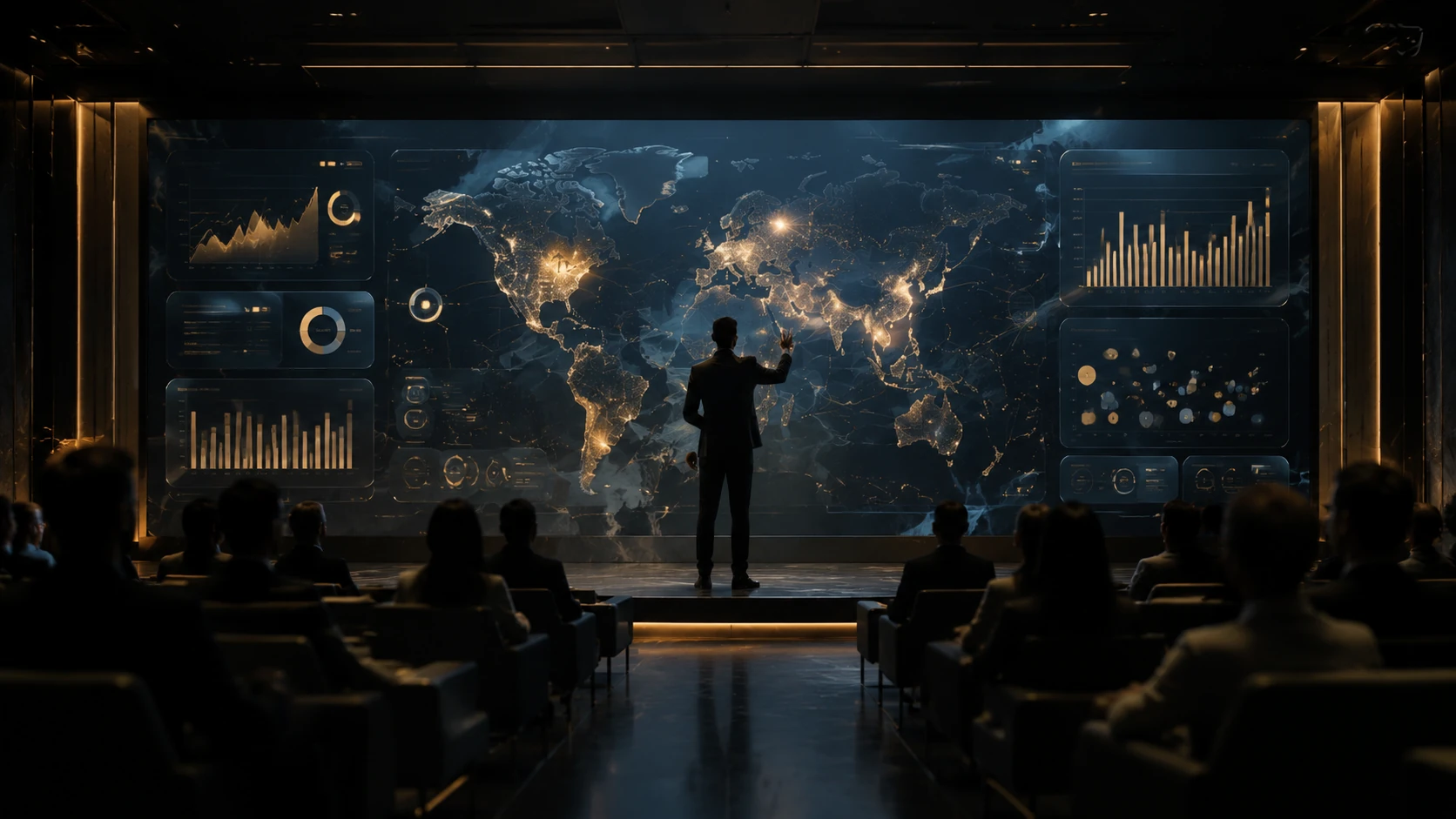
For decades, the path from a successful comic or webtoon to a television or film adaptation was gatekept by a handful of major publishing houses. In 2026, that monopoly has shattered. Driven by the democratization of reader analytics and the rise of boutique production houses, independent comic studios are increasingly bypassing traditional publishers to negotiate directly with global streaming giants like Netflix, Disney+, and regional powerhouses. This shift isn't just about higher margins; it's about IP sovereignty. By maintaining control over their narrative assets, creators are ensuring that the core 'DNA' of their stories remains intact during the transmedia transition, while capturing a significantly larger share of the licensing royalties that were once swallowed by intermediary distributors.
The Death of the Middleman: The 2026 Market Shift
The primary catalyst for this shift is the evolution of 'Verified Engagement Data.' In the past, publishers held the keys to market reach, but today's independent studios utilize decentralized platforms and direct-to-consumer apps to build their own massive, trackable audiences. When a studio walks into a negotiation with a streamer in 2026, they aren't just bringing a good story; they are bringing a 'Predictive Success Dossier.' This dossier includes heatmaps of reader retention, sentiment analysis of global fanbases, and cross-platform conversion rates that prove the IP's viability before a single frame of animation is drawn. Streamers, hungry for data-backed certainty in a saturated market, are now more willing than ever to sign 'direct-to-source' deals that cut out the traditional publishing house.
Why Streamers Prefer Direct Studio Deals
- Reduced Licensing Friction: Dealing directly with the IP owners simplifies complex rights chains.
- Agile Production: Independent studios can often pivot faster to support marketing campaigns or seasonal tie-ins.
- Authentic Fan Connection: Direct access to the original creative team ensures that the adaptation resonates with the existing 'day-zero' community.
- Cost Efficiency: Bypassing publisher markups allows streamers to allocate more budget toward high-quality production values.
Leveraging Narrative Analytics for Seven-Figure Deals
In the 2026 syndication landscape, valuation is no longer subjective. Independent studios are employing narrative consultants and data scientists to quantify the 'Viral Potential' of their IP. This involves tracking 'Semantic Narrative Beats'—specific plot points or character tropes that have historically triggered high social media sharing and fan-art generation. By presenting a streamer with a dashboard that shows exactly where an audience is most likely to engage, studios are securing higher upfront minimum guarantees and more favorable backend participation. This data-first approach transforms the creator from a 'content provider' into a 'strategic partner' in the eyes of the streaming platform.
The 'Pilot-First' Syndication Model
A rising trend in 2026 is the 'Pilot-First' production strategy. Rather than waiting for a full series to be completed, independent studios are producing high-quality, 3-5 minute animated proof-of-concepts (POCs) using AI-assisted pre-visualization tools. These POCs are released directly to their webtoon or manga audience to gauge reaction. If the engagement metrics hit a specific threshold, the studio uses that real-time data to trigger a bidding war among streamers. This 'de-risks' the project for the buyer and allows the studio to maintain a 'majority stake' in the IP, often retaining rights for merchandising, gaming, and future publishing sequels that would have traditionally been signed away.
Essential Clauses for the 2026 IP Contract
Negotiating direct-to-streamer deals requires a sophisticated understanding of 2026 legal standards. Studios must be wary of 'Generative Training Clauses'—boilerplate language that might grant a streamer the right to use the IP's visual style or characters to train internal AI models for future content. Protecting the 'Creative DNA' is now a top priority. Contracts are increasingly including 'Lore Integrity Provisions,' which give the original studio a seat at the table for every major narrative decision, ensuring the IP isn't diluted for mass-market appeal at the expense of its core identity.
Key Negotiation Points
- AI Sovereignty: Retaining exclusive rights to the digital likeness and stylistic models of the characters.
- Transmedia Buy-Backs: The ability for the studio to buy back rights if a production isn't greenlit within a specific timeframe.
- Cross-Platform Sync: Ensuring the original comic/webtoon can feature tie-in content without additional fees to the streamer.
- Global Glocalization Rights: Maintaining control over how the IP is adapted in different cultural markets to avoid 'brand drift'.
Summary: Building a Studio for the Future
The shift toward direct syndication represents the ultimate maturation of the creator economy. For independent studios, success in 2026 is no longer just about drawing great panels; it is about building a robust business infrastructure that can manage IP, analyze data, and negotiate high-stakes deals. By embracing this playbook, studios can ensure that they remain the primary beneficiaries of their creative labor, turning a single successful webtoon or manga into a sustainable, multi-decade global franchise. The gatekeepers haven't just been bypassed—they've been made redundant by a more transparent, data-driven, and creator-centric marketplace.
FAQ
What is the biggest mistake studios make when pitching to streamers in 2026?
Failing to provide granular reader data. In 2026, streamers value engagement metrics and 'proof of fandom' as much as the artistic quality of the work itself.
How do independent studios protect their IP from AI training in licensing deals?
By including explicit 'Anti-Generative Training' clauses that forbid the use of characters or art styles for machine learning without separate, high-value licensing fees.
Are traditional publishers still relevant for IP syndication?
They are relevant for studios that lack the infrastructure to manage their own data and legal teams, but they are no longer a mandatory gateway for top-tier IPs.