The 2026 ‘Genre-Fluidity’ (GF) Standard: Engineering Webtoon IP for the Cross-Format ‘Poly-Reader’ Demographic
In 2026, the 'Poly-Reader' has replaced the format-loyal fan. Discover the Genre-Fluidity (GF) standard used to engineer IP that thrives across webtoons, manga, and novels simultaneously.
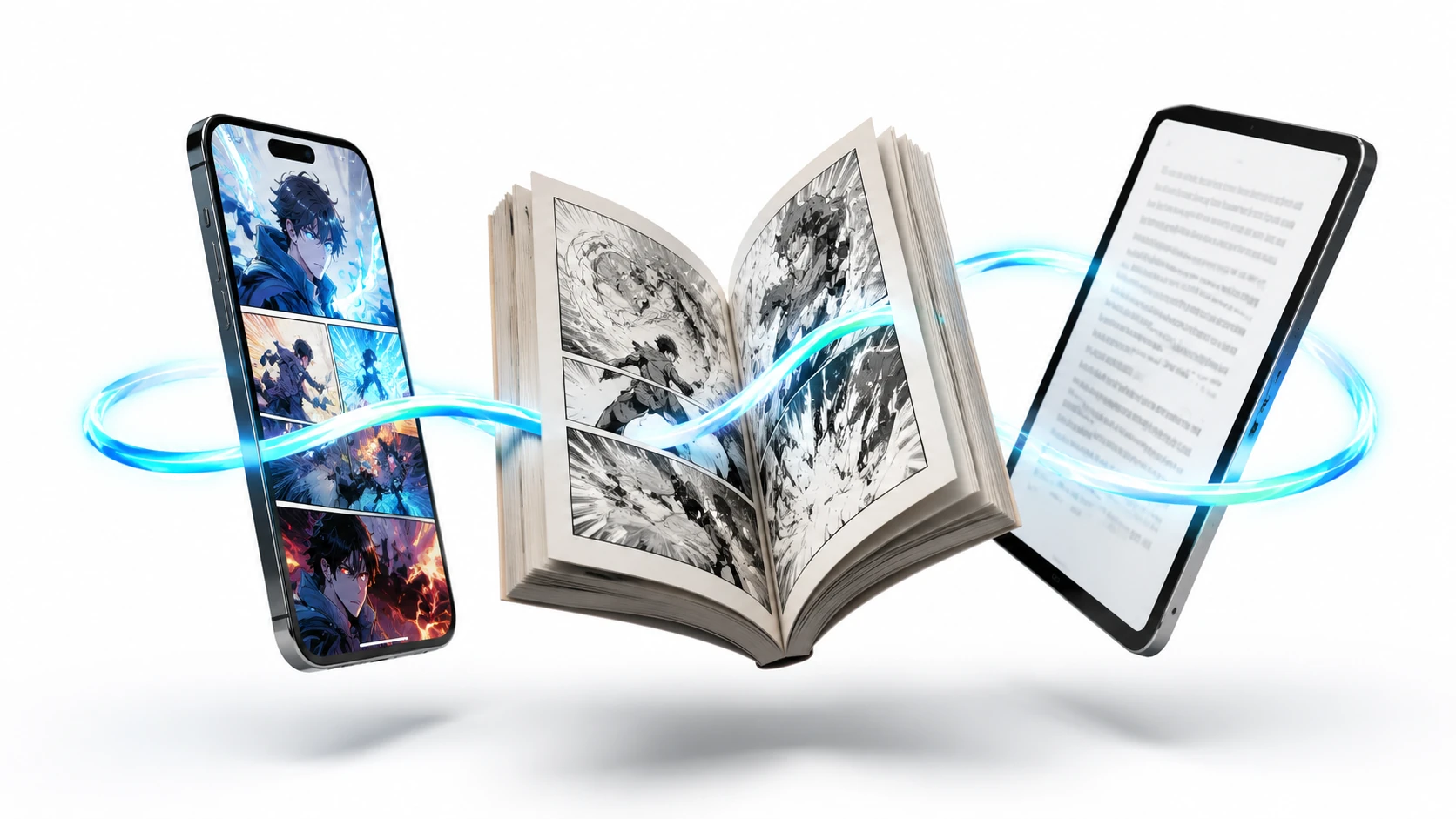
The year 2026 marks the definitive end of format-based audience silos. The 'webtoon reader' and the 'manga fan' have merged into a single, high-intent demographic known as the 'Poly-Reader.' This audience segment doesn't care about the delivery mechanism—whether it's a vertical scroll on a smartphone, a physical page in a tankobon, or a prose chapter on an e-reader. They are driven by 'trope-affinity' and 'narrative DNA,' searching for specific vibes and story structures across all available media. For creators, this shift presents both a massive opportunity and a technical challenge. The solution is the Genre-Fluidity (GF) Standard: a framework for engineering IP that is natively portable across all formats.
Understanding the Poly-Reader Psychographic
To master the GF Standard, one must first understand the 2026 Poly-Reader. Unlike the readers of the early 2020s, who were often loyal to a specific platform (like LINE Webtoon or Tapas), the Poly-Reader is platform-agnostic. Their consumption habits are dictated by 'contextual convenience.' They might scroll a webtoon during a 10-minute commute, read a physical manga volume before bed, and listen to a novelized version of the same story via an AI-narrator while at the gym. This 'format-hopping' behavior is not a sign of low attention spans, but rather a desire for 'Total Narrative Immersion.' If your IP isn't available or optimized for these different contexts, you are leaving up to 60% of your potential LTV (Lifetime Value) on the table.
The Retention Mechanics of Format Refreshment
One of the most profound findings in 2026 audience research is the 'Format Refreshment' effect. Reading the same story in a different format actually resets cognitive fatigue. A reader who might drop a series after 50 chapters of scrolling often finds renewed interest when switching to a physical manga layout. The change in visual pacing, panel density, and tactile interaction provides a fresh perspective on the same narrative, significantly extending the series' lifecycle. The GF Standard engineers this 'reset' into the IP from the start, ensuring that transitions between formats feel like a premium upgrade rather than a recycled asset.
The Engineering Pillars: How to Build GF-Ready IP
Implementing the GF Standard requires moving beyond 'adaptation' and toward 'simultaneous engineering.' This involves three core pillars that every 2026 studio must adopt to remain competitive.
- Narrative Portability: Scripting stories using a 'Master Beat-Sheet' that functions independently of visual format. This ensures that the emotional stakes and plot reveals land with equal impact in prose or panels.
- Visual Anchoring: Designing characters with 'Iconic Constants'—specific color palettes, silhouettes, and recurring motifs that remain 100% recognizable across different art styles and mediums.
- Semantic Tagging: Using AI-ready metadata to label story units. This allows discovery engines to link your webtoon, manga, and novel versions together in the 'Latent Space' of search, ensuring the Poly-Reader finds your IP regardless of where they start.
The Economics of Genre-Fluidity in 2026
The financial argument for the GF Standard is undeniable. In 2026, the cost of user acquisition (CAC) on major platforms has skyrocketed. Studios can no longer afford to acquire a reader only to have them churn once they finish the latest webtoon chapter. A GF-optimized IP converts that single acquisition into a multi-format ecosystem. The reader becomes a 'Sovereign Fan,' following the IP from the free webtoon to the paid physical manga, the premium light novel, and even the 'lore-audio' experience. This multi-tiered monetization strategy is the only way for independent creators to achieve sustainable, high-margin revenue in the post-platform era.
Implementation Guide: Transitioning Your Studio
Moving to a GF-native workflow doesn't happen overnight. It requires a shift in both mindset and toolsets. Start by auditing your current IP: Is it 'Format-Locked'? If your story relies on a vertical-only gimmick, it's a liability. Begin building a 'Master Lore Bible' that is medium-agnostic. Use 3D character models or AI-consistent 'seed' images to ensure your Visual Anchors are locked in. Finally, leverage the new 2026 distribution protocols that allow for cross-platform reader syncing. By owning the 'Narrative Hub' for your IP, you bypass the walled gardens of traditional platforms and build a direct, portable relationship with your Poly-Reader audience.
FAQ
What is a Poly-Reader?
A Poly-Reader is a 2026 demographic of readers who consume stories across multiple formats (webtoons, manga, novels) interchangeably, prioritizing narrative content and tropes over specific media types.
How does Genre-Fluidity (GF) improve retention?
GF improves retention through 'Format Refreshment,' allowing readers to switch delivery methods (e.g., from scrolling to page-turning) which resets cognitive fatigue and maintains interest in the IP.
Is the GF Standard expensive for independent creators?
While it requires more upfront planning, the GF Standard actually reduces long-term costs by creating reusable, format-agnostic assets that can be monetized across multiple channels.