The 2026 Dynamic Asset Localization (DAL) Framework: Engineering Region-Specific Visual Co
Moving beyond text translation, the 2026 DAL Framework allows creators to dynamically swap visual assets like backgrounds and signage based on reader location. This guide outlines the technical and creative steps to implement hyper-local visual storytelling at scale.
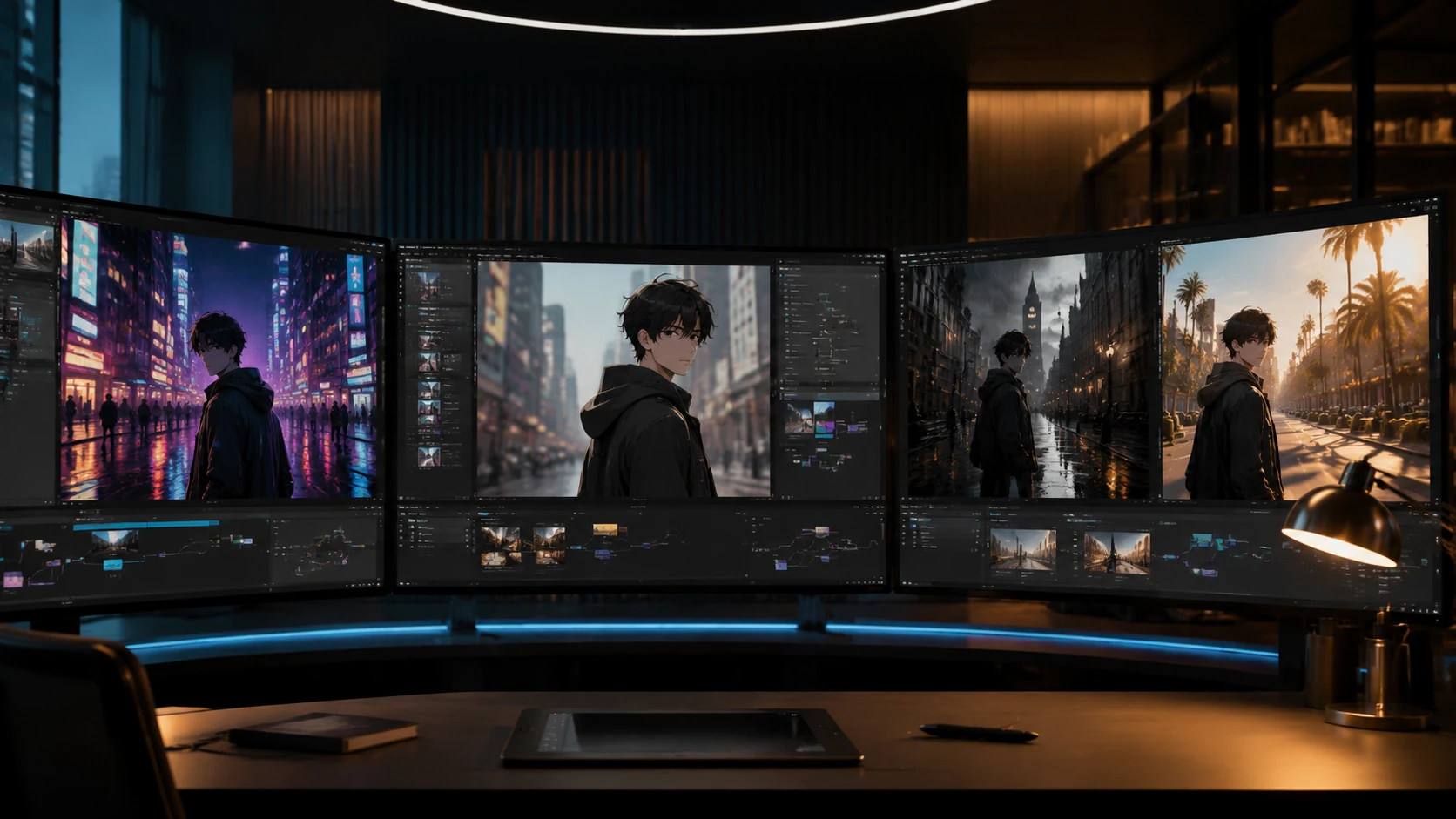
By 2026, the global webtoon and manga market has moved far beyond simple text translation. As readers in diverse regions like MENA, SE Asia, and Western Europe demand deeper immersion, the 'flat' localization model is being replaced by the Dynamic Asset Localization (DAL) Framework. DAL is a technical and narrative standard where visual elements—ranging from background architecture and street signage to food items and interior decor—are treated as swappable layers that adapt to the reader’s geographical location. This shift ensures that a story feels 'locally born' regardless of where it is consumed, significantly increasing reader retention and emotional resonance. For creators and studios, mastering DAL is no longer an optional luxury; it is a prerequisite for securing high-value licensing deals and maintaining a competitive edge in a saturated global attention economy.
The Core Pillars of Dynamic Asset Localization
The 2026 DAL Framework rests on three technical pillars: Semantic Layering, Regional Tagging, and Just-In-Time (JIT) Rendering. Semantic Layering involves decoupling the character entities from the environmental context during the initial production phase. Instead of flattening a panel, creators maintain 'Environment Slots' that can be filled with different background assets. Regional Tagging uses metadata to identify which assets correspond to specific cultural or geographic zones. Finally, JIT Rendering, often powered by platform-side AI engines, serves the correct visual layer to the user’s mobile device based on their IP address or account settings. This allows a single story file to exist in multiple visual states without requiring the reader to download separate localized versions of the app.
Visual Transcreation vs. Literal Translation
- Signage and Branding: Swapping generic fictional brands with localized equivalents that resonate with specific market demographics.
- Cultural Architecture: Adjusting window styles, street layouts, and public transport visuals to match the reader's daily reality.
- Gastronomic Localization: Changing a character's meal from a bowl of ramen to a local delicacy like tacos or kebab to reduce cultural friction in domestic-focused scenes.
- Social Taboo Filtering: Automatically replacing or modifying visual symbols that may be sensitive or restricted in certain jurisdictions without altering the core narrative.
The Technical Implementation Workflow
Implementing DAL requires a fundamental shift in the early-stage storyboard and layout process. Creators must move away from 'integrated' backgrounds and toward 'modular' composition. This begins with the creation of a Master Environment Map—a 3D or high-fidelity AI-generated space that serves as the narrative anchor. From here, studios develop 'Regional Asset Packs' that contain the variations for key locations. In 2026, many studios use AI-assisted style-transfer tools to ensure that these swapped backgrounds maintain the exact line weight and color palette of the original artist, preventing a 'pasted-on' look that could break reader immersion.
Using Vector Layers for Scalability
To keep file sizes manageable, the DAL Framework prioritizes vector-based background elements for signage and interface-heavy scenes. Vector assets allow for infinite scaling and rapid color-swapping without the overhead of high-resolution raster images. This is particularly crucial for mobile-first platforms where bandwidth and latency vary by region. By using SVG-based environmental layers, creators can change the language on a billboard or the color of a police car dynamically, keeping the reading experience seamless and high-performance.
Commercial Implications: Hyper-Local Advertising and IP Resonance
The business case for DAL extends into monetization. By 2026, 'In-Narrative Placement' (INP) has become a major revenue stream for top-tier webtoons. DAL allows platforms to sell background advertising space to local brands. For example, a character walking past a convenience store in the US might see a 7-Eleven, while a reader in Thailand sees a CP Freshmart. This level of granular advertising provides a higher ROI for sponsors and a more authentic environment for readers. Furthermore, stories that utilize DAL often see a 40-60% increase in 'Day-30 Retention' in secondary markets, as the visual barriers to entry are significantly lowered, making the content feel native rather than imported.
Common Pitfalls: Narrative Inconsistency and Technical Bloat
While powerful, DAL carries risks. The most common error is 'Contextual Dissonance,' where a localized background contradicts the character's dialogue or behavior. For instance, if a character mentions the 'cold winter air' while the background is swapped to a tropical setting, the narrative logic collapses. To avoid this, creators must identify 'Narrative Constants'—elements that cannot be localized because they are essential to the plot. Additionally, studios must be wary of technical bloat. Loading too many dynamic layers can lead to stuttering during vertical scrolls. The 2026 standard suggests limiting DAL to 3-5 key panels per chapter to maintain high performance while still achieving the desired cultural resonance.
The 2026 DAL Checklist for Global Studios
- Audit the script for 'Narrative Constants' that must remain universal.
- Establish a modular layering system in the initial PSD/Clip Studio file.
- Develop at least three core 'Regional Asset Packs' for primary export markets.
- Use AI style-guides to ensure consistency between localized assets and original art.
- Test dynamic rendering across multiple device tiers and network speeds.
- Define 'Safe Zones' for character placement to prevent visual clipping.
As we move further into the decade, the ability to tailor the visual experience to the individual reader will become the hallmark of premium storytelling. The 2026 Dynamic Asset Localization Framework represents a fusion of art, technology, and cultural empathy, allowing stories to transcend borders without losing their soul. By treating the canvas as a living, responsive entity, creators can build truly global franchises that feel like home to everyone, everywhere.
FAQ
Does DAL increase production costs significantly?
Initially, yes, by approximately 15-20%. However, by using AI-assisted asset generation and modular workflows, the long-term ROI from higher global retention and localized ad revenue far outweighs the upfront investment.
Can independent creators use the DAL framework?
Yes. While large studios use custom engines, independent creators can implement 'Manual DAL' by organizing layers efficiently and offering different regional versions through platform-specific localization tools.
Will DAL replace traditional translation?
No, DAL is a supplement to high-quality translation. It addresses the visual and cultural context that text alone cannot fix, creating a fully immersive localized experience.