The 2026 Digital Ownership Pivot: Why Readers are Abandoning Subscription Buffets for Perm
In 2026, 'subscription fatigue' has reached a breaking point, leading to a massive resurgence in digital comic ownership. This report analyzes why permanent libraries are outperforming 'all-you-can-eat' models for both readers and independent studios.
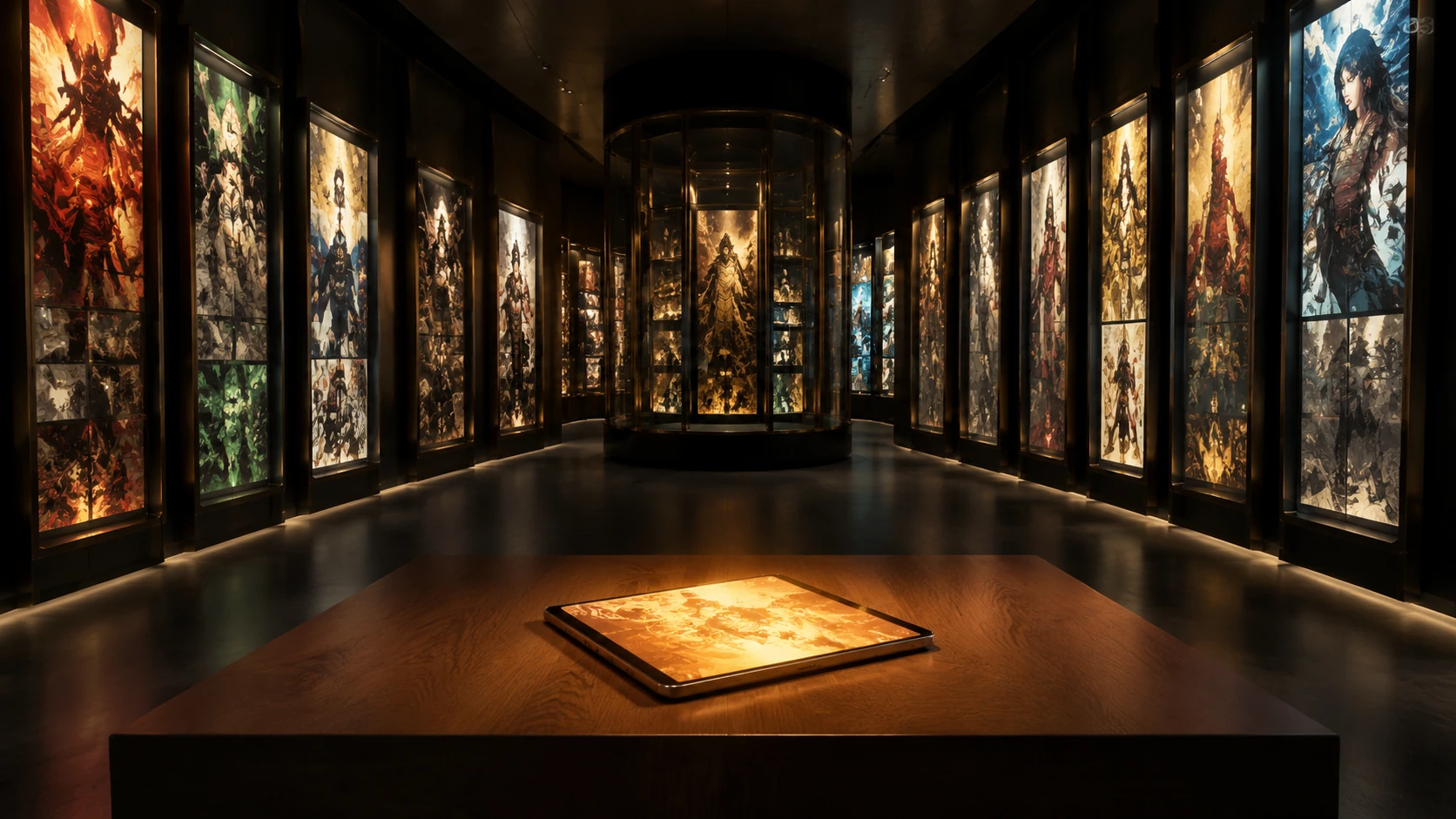
The year 2026 marks a decisive turning point in the digital comic economy: the end of the 'all-you-can-eat' era. For nearly a decade, the industry followed the lead of video streaming giants, pushing readers into monthly subscriptions that offered vast libraries but zero permanent access. However, as the number of niche platforms proliferated, 'subscription fatigue' reached a critical mass. Today’s readers are no longer satisfied with renting their favorite stories; they are demanding a return to the digital equivalent of the 'long-box'—permanent, interoperable libraries where a purchase guarantees lifetime access regardless of platform stability. This shift is fundamentally restructuring how independent creators price their work and how publishers manage their long-tail assets.
The Mechanics of Subscription Fatigue in 2026
The primary driver of this market pivot is the fragmentation of content. In 2026, the average comic reader is faced with over a dozen major webtoon and manga platforms, each requiring a separate monthly fee to access 'exclusive' hits. This financial and cognitive load has led to a 35% decline in multi-platform subscription retention. Readers are increasingly choosing to 'deep dive' into specific series rather than 'skim' entire catalogs. This behavioral change has favored the 'Digital Vault' model, where users pay a one-time fee for a high-density narrative experience. For the reader, the value proposition is simple: if the platform goes bankrupt or the licensing agreement expires, the content they paid for remains in their personal archive.
Revenue Comparison: Micro-Transactions vs. Flat Fees
Data from the first half of 2026 suggests that independent studios utilizing 'Permanent Purchase' models are seeing a 22% higher Lifetime Value (LTV) per reader compared to those relying on platform revenue shares from subscriptions. When a reader 'owns' a digital volume, they are more likely to invest in secondary ecosystem assets, such as digital collectibles, high-resolution art packs, or 'lore keys' that unlock deeper world-building content. This shift is empowering creators to move away from the 'dopamine treadmill' of weekly updates and toward high-quality, finished volumes that serve as evergreen assets.
- Higher LTV: Permanent purchases eliminate the churn associated with monthly billing cycles.
- Direct-to-Consumer Strength: Creators can host their own 'vaults,' bypassing the 30-50% platform tax of the major aggregators.
- Secondary Market Potential: Ownership enables future-ready features like digital reselling or lending, currently in pilot phases across Europe.
- Data Sovereignty: Ownership models allow creators to maintain a direct relationship with their 'super-fans' through verified purchase history.
The Role of Interoperable Metadata
Technologically, the ownership pivot is supported by the 2026 'Unified Comic Metadata Standard.' This allows a reader who purchases a series on a creator’s personal site to 'read' it through their preferred viewer app, whether it’s a high-end tablet interface or a minimalist mobile scroller. By decoupling the content from the delivery vehicle, the industry has solved the 'platform lock-in' problem that previously made digital ownership feel risky. This interoperability is a primary search signal in 2026; readers now actively search for 'interoperable webtoons' to ensure their library remains future-proof.
Strategic Implications for Independent Studios
To capitalize on this trend, studios must re-evaluate their release cycles. The 'infinite scroll' model remains dominant for discovery, but the 'Collected Edition' has become the primary revenue driver. A successful 2026 strategy involves releasing 10 chapters for free to build 'Narrative Gravity,' followed by a high-priced 'Permanent Access Volume' that includes exclusive behind-the-scenes content, director's commentary, and high-fidelity assets that aren't available in the streaming version.
Action Checklist for the Ownership Era
- Audit your current platform contracts for 'reversion of rights' clauses regarding digital sales.
- Develop a 'Tiered Ownership' model: Standard Digital, Deluxe (with assets), and Archive (print-ready).
- Implement a self-hosted 'Vault' using 2026 interoperable standards to ensure reader longevity.
- Focus marketing on 'Building Your Library' rather than 'Starting Your Subscription'.
FAQ
Is the subscription model for comics dead in 2026?
No, it remains a powerful tool for discovery and 'casual' reading, but it has lost its status as the primary revenue engine for high-end IP and independent studios.
How do readers access 'owned' digital comics if a platform disappears?
Through interoperable standards, readers can download encrypted local copies or sync their purchase proof with decentralized library managers that function across different apps.
Does digital ownership increase the risk of piracy?
Market data shows the opposite; readers who are given a legitimate, high-quality way to 'own' their favorite series are 40% less likely to use unofficial sites compared to those frustrated by subscription gating.