The 2026 ‘Community-to-Contributor’ (C2C) Localization Model: Bridging the Gap Between Fan
The 2026 'Community-to-Contributor' (C2C) model is ending the era of aggressive scanlation litigation. Learn how studios are now integrating fan talent into official, high-velocity localization pipelines.
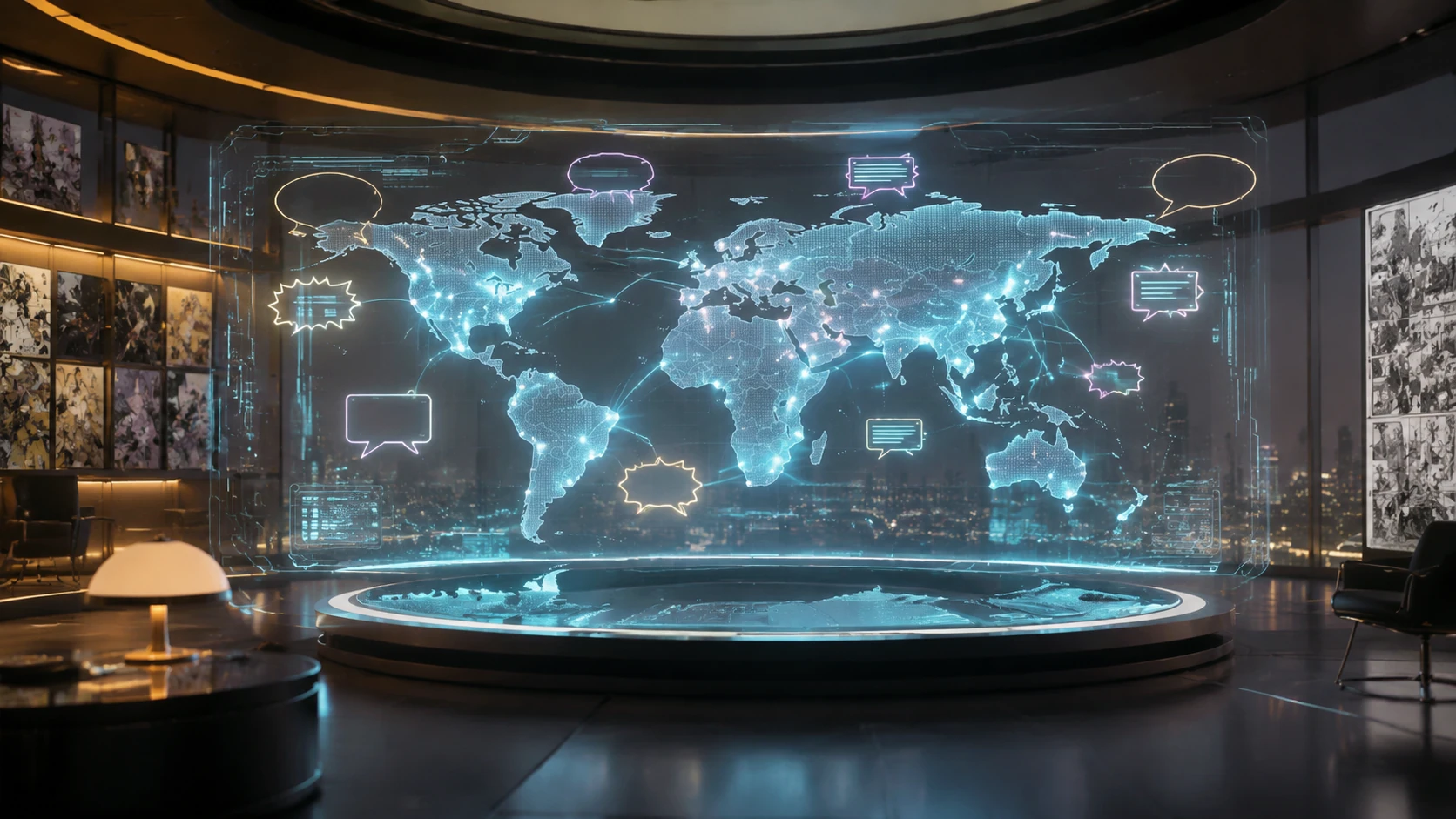
For decades, the relationship between comic publishers and fan-translators (often referred to as scanlators) was defined by a cat-and-mouse game of legal cease-and-desist orders and site takedowns. However, entering 2026, a paradigm shift has occurred. The 'Community-to-Contributor' (C2C) localization model has emerged as the gold standard for global IP expansion. Rather than fighting fan communities, major webtoon and manga studios are now engineering formal frameworks to absorb fan-led talent into official, paid, and legally protected pipelines. This shift acknowledges a fundamental truth of the modern attention economy: speed and cultural nuance, often mastered by passionate fans, are the most valuable assets in the race for global market dominance. The C2C model doesn't just stop piracy; it optimizes the supply chain for high-velocity narrative delivery.
The End of the Litigation Era: Why 2026 Favors Integration
The primary driver behind the C2C shift is the 'latency gap.' In the early 2020s, official translations often lagged weeks or months behind original releases, creating a vacuum that unofficial groups filled. By 2026, readers demand 'Day-and-Date' global availability. Traditional localization agencies, while high in quality, often struggle with the sheer volume and specialized slang inherent in niche genres like 'Leveling' manhwa or 'Villainess' otome novels. Fan-translators, who live and breathe these tropes, possess an innate 'Narrative-Market Fit' that is difficult to replicate in a corporate setting. The C2C model provides these fans with a structured path to legitimacy, offering access to raw high-resolution assets, official style guides, and a share of the revenue, in exchange for their speed and cultural expertise.
The Cost of Frictionless Global Entry
- Reduction in IP Enforcement Costs: Studios save millions by converting 'pirates' into legal contractors.
- Hyper-Local Nuance: Fan-contributors ensure that slang, cultural references, and honorifics resonate with specific regional psychographics.
- SEO Dominance: Official C2C releases capture the search traffic that previously flowed to aggregate pirate sites.
- Verified Quality: Studios provide the final 'Semantic Audit' to ensure lore consistency and brand safety.
Architecting the C2C Pipeline: From Fan to Contributor
Implementing a C2C model requires more than just an open invitation; it requires a robust technical and legal architecture. Studios in 2026 use 'Localization Nodes'—digital workspaces where vetted community members can access pre-cleared chapters. These nodes are integrated with AI-assisted translation memory (TM) tools that maintain character name consistency and terminology across thousands of panels. This hybrid approach—human cultural intuition paired with machine-driven consistency—allows a single creator or small studio to support 15+ languages simultaneously without a massive overhead. The 'Contributor' status is often tiered, where fans start by suggesting edits and move up to 'Lead Translator' based on accuracy and community feedback scores.
Revenue-Sharing and the Ethics of Community Labor
One of the most critical components of the 2026 C2C framework is fair compensation. To avoid the pitfalls of 'exploitative fan labor,' leading platforms have introduced the 'Micro-Royalty Standard.' Instead of a one-time flat fee, community contributors receive a percentage of the revenue generated by the specific language version they helped produce. This creates a vested interest in the success of the IP. If a Portuguese translation of a webtoon goes viral in Brazil, the fan-contributors who localized it see a direct financial upside. This alignment of incentives has effectively decimated the economic motivation for high-quality pirate sites, as the best translators now prefer the stability and prestige of official recognition.
Managing Risks: Quality Control and Canon Integrity
While the C2C model offers immense benefits, it introduces risks regarding 'Lore Drift' and brand safety. Studios mitigate this through a two-step verification process. First, an AI-driven 'Sentiment and Toxicity Filter' scans the translation for unintended offensive content or major deviations from the script. Second, a professional 'Lore Master'—often a senior editor at the studio—performs a final spot-check. This ensures that the 'voice' of the characters remains consistent across all territories. In 2026, the goal isn't just translation; it is 'Transcreation,' where the emotional impact of the scene is preserved, even if the literal words must change to fit the local culture.
Common Pitfalls in C2C Implementation
- Vague Rights Agreements: Failing to clearly define who owns the localized text can lead to legal disputes later.
- Over-Reliance on AI: Using machine translation without human cultural filters leads to 'uncanny valley' dialogue that alienates readers.
- Lack of Recognition: Fans contribute for passion; failing to credit them prominently in the credits section can lead to community burnout.
- Inconsistent Payouts: Delayed micro-royalties can quickly destroy the trust between a studio and its community nodes.
The Future of Global IP: A Unified Ecosystem
The 2026 C2C model represents a broader trend toward 'Open-Source Franchising.' As we move further into the decade, the line between 'creator' and 'audience' continues to blur. Localization is simply the first step. We are already seeing the emergence of 'Community-to-Art' models, where fans help with background assets, and 'Community-to-Lore' models, where fans help maintain official wikis. For the comic industry, the C2C localization model is the blueprint for how to scale a narrative universe in a way that is sustainable, ethical, and incredibly fast. By treating fans as partners rather than enemies, studios are building the most resilient and loyal global audiences in history.
FAQ
What is the C2C localization model?
It is a 2026 industry standard where comic studios officially vet and hire fan-translators to localize content, providing them with legal assets and revenue-sharing in exchange for speed and cultural accuracy.
How do studios ensure quality in fan-led translations?
Through a hybrid system of AI-assisted consistency checks and professional editorial 'Lore Audits' to ensure brand safety and narrative integrity.
Is C2C localization better than traditional agencies?
C2C is generally faster and offers better cultural nuance for niche genres, while traditional agencies are still preferred for high-stakes flagship titles and legal documentation.
Can independent creators use the C2C model?
Yes, independent creators can set up official community translation protocols to enter global markets without the high upfront cost of professional agencies.