The 2026 ‘Character-as-a-Service’ (CaaS) Standard: Engineering Webtoon Entities for the Av
The 2026 CaaS model shifts focus from story-centric IP to character-centric equity. Learn how to engineer characters that function as independent revenue engines across the global digital economy.
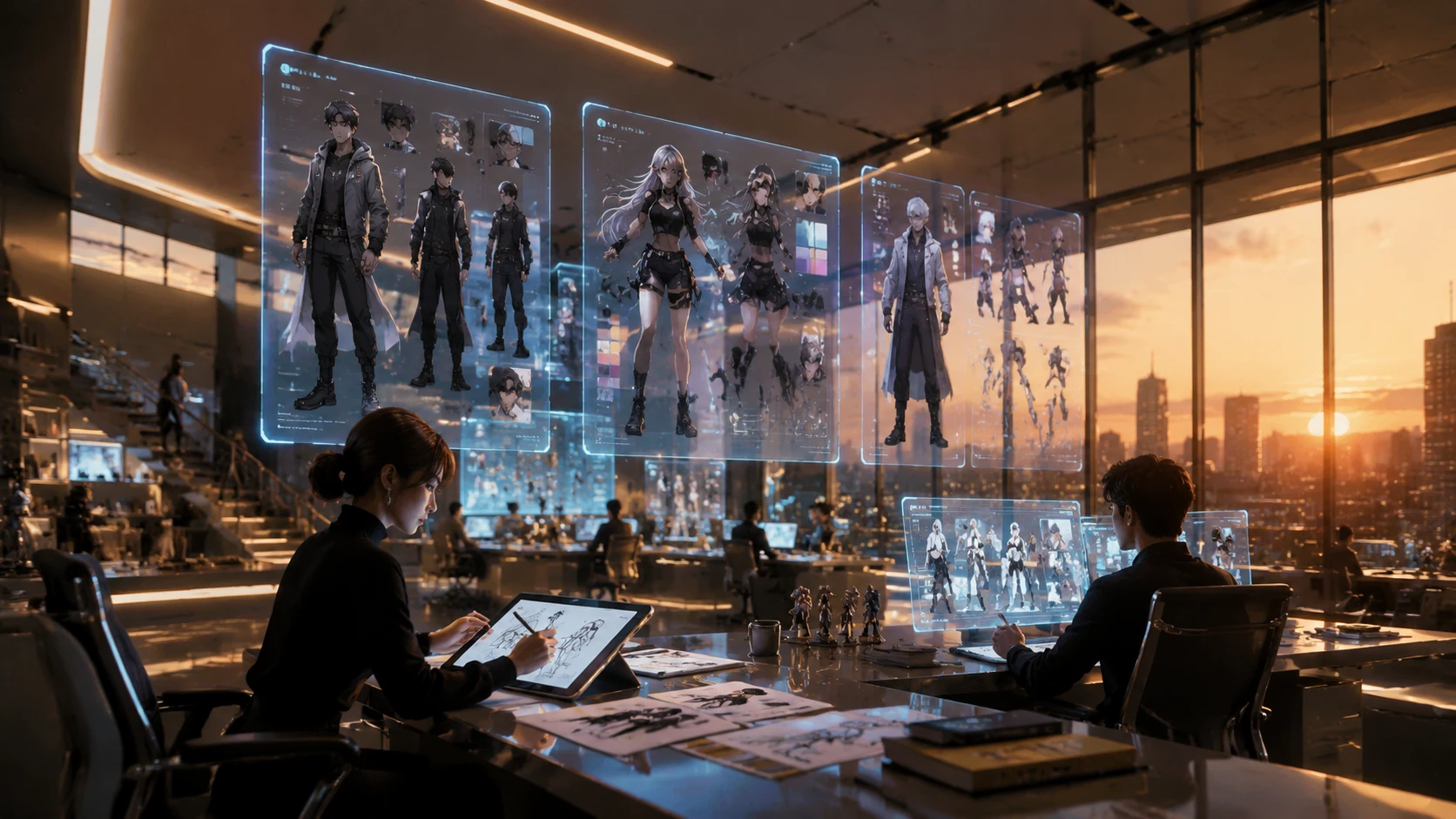
By mid-2026, the global comic industry has undergone a fundamental shift in how Intellectual Property (IP) is conceived and monetized. We have moved beyond the 'Story-First' era—where revenue was tied strictly to chapter sales and ad-revenue—into the 'Character-as-a-Service' (CaaS) era. This trend recognizes that in a saturated content market, a character's individual brand often outlives and out-earns the narrative that birthed it. The CaaS standard is a framework for engineering webtoon and manga characters as modular, multi-platform entities capable of functioning as VTubers, AI-driven chat companions, digital fashion models, and interactive brand ambassadors. For the modern creator, this means building a narrative is no longer just about writing a plot; it is about architecting a 'Character Entity' that can be licensed across the vast, interconnected avatar economy with zero friction.
The 2026 Pivot: From Narrative Support to Independent Asset
Historically, character licensing was an afterthought, occurring only after a series reached blockbuster status. In 2026, the timeline is reversed. Studios and independent creators are now utilizing the CaaS framework during the pre-production phase to ensure every protagonist and significant antagonist is 'technically liquid.' This liquidity refers to the ease with which a character's visual and behavioral data can be exported into external environments. As the boundaries between webtoons, social gaming, and virtual social media blur, a character designed under the CaaS standard is optimized for high-fidelity 3D rigging, AR integration, and semantic behavioral consistency. This allows a character to maintain their 'soul' and brand identity whether they are appearing in a weekly vertical scroll or hosting a live-streamed event on a social platform.
Why Traditional Character Design is Failing the 2026 Market
- Rigidity: Legacy characters are often 'trapped' in 2D assets that require manual redrawing for every new format, making them too expensive to port into the fast-moving avatar economy.
- Lack of Behavioral Metadata: Without a defined 'Personality Bible' that can be ingested by AI agents, characters lose their unique voice when moved into interactive or conversational contexts.
- Legal Friction: Traditional contracts often tie characters so tightly to the specific comic title that licensing them for independent activities like virtual fashion modeling becomes a legal nightmare.
- Inconsistent Visual Anchors: Characters lacking 'Visual-Anchor' design points fail to be recognized by AI-driven search and discovery engines across different media formats.
The Three Technical Pillars of the CaaS Framework
Engineering a character for the CaaS economy requires a sophisticated blend of narrative depth and technical foresight. The 2026 standard dictates that a character is not merely a collection of drawings, but a structured data package. This package is built on three pillars: Visual Portability, Behavioral Intelligence, and Sovereign Licensing. Visual Portability ensures that the character’s design remains recognizable across various rendering engines, from the stylized cel-shading of a webtoon to the high-fidelity realism of an AR interface. This is achieved through the use of standardized color palettes, distinct silhouettes, and modular clothing systems that can be swapped digitally without altering the character's core identity.
Behavioral Intelligence involves the creation of a 'Latent Personality Model'—a set of semantic guidelines that define how a character speaks, reacts, and thinks. In the 2026 market, fans expect to interact with their favorite characters via AI-driven companion apps. If the character's voice in an app contradicts their actions in the webtoon, the brand equity collapses. Finally, Sovereign Licensing utilizes smart-contract technology to allow creators to 'micro-license' specific aspects of their character—such as their likeness for a digital fashion brand or their voice for a navigation app—without relinquishing overall control of the IP. This modular approach to ownership is what allows mid-tier creators to achieve financial stability long before their series hits a million subscribers.
Monetization Pathways in the Avatar Economy
The CaaS standard opens revenue streams that were previously reserved for the world’s largest IP holders. One of the most prominent shifts is the 'Simultaneous Debut'—launching a webtoon while the lead character also debuts as a VTuber or a social media influencer. This creates a cross-pollination effect: the webtoon provides the deep lore and emotional stakes, while the virtual presence provides daily engagement and direct interaction with the fanbase. Furthermore, the 'Digital Twin' economy allows creators to sell digital versions of character outfits (skins) that are compatible across multiple metaverse platforms, essentially turning the webtoon into a high-end catalog for virtual fashion.
Key 2026 Revenue Streams for CaaS-Ready IP
- AI Companion Licensing: Integrating the character into 'Always-On' conversational apps for fan companionship and personalized storytelling.
- Virtual Brand Ambassadorship: Licensing characters to real-world brands for social media campaigns, leveraging the character's specific demographic appeal.
- Modular Asset Sales: Selling rigged 3D models or high-quality 2D assets to fans for use in social gaming and personal avatars.
- Interactive Lore-Drops: Charging for exclusive, interactive experiences where fans can influence a character's decision-making in real-time through AR events.
Future-Proofing Your IP: The Road to 2027
As we look toward the next evolution of the digital landscape, the distinction between 'reading a story' and 'living with a character' will continue to vanish. The CaaS standard is the bridge that allows creators to cross that divide. Those who continue to view characters as static drawings on a page will likely find themselves limited to legacy monetization models that are increasingly under pressure from platform fee hikes and algorithm shifts. Conversely, creators who embrace the 'Character-as-a-Service' mindset are building sovereign empires. They are creating entities that can survive platform migrations, navigate the complexities of AI search discovery, and maintain a direct, monetizable relationship with their audience across every screen and every reality.
FAQ
What is the primary benefit of the CaaS model for independent creators?
It allows independent creators to diversify their income beyond platform ad-revenue by licensing their characters for VTubing, AI apps, and digital fashion, even with a smaller but dedicated audience.
Do I need to know 3D modeling to use the CaaS standard?
Not necessarily, but you must design characters with 'visual portability' in mind, using clear silhouettes and consistent anchors that can be easily translated into 3D or AR by technical partners.
Does CaaS mean my character's story is less important?
No. The story provides the emotional foundation that makes the character valuable. CaaS simply ensures that the character can exist and generate value outside of the story's linear progression.
How does CaaS affect copyright and IP ownership?
CaaS encourages a modular approach to IP. Using smart contracts, creators can license specific 'usage rights' (like an outfit or a likeness) while retaining 100% ownership of the character's narrative and future.