The 2026 Brand Safety Standard: Why ‘Clean AI’ Certification is Mandatory for Comic Licens
In 2026, the comic industry has hit a turning point where major streaming platforms and publishers now require 'Clean AI' certification before licensing any digital IP. This shift toward verified narrative provenance is redefining how creators use AI tools and how they secure global adaptation deals
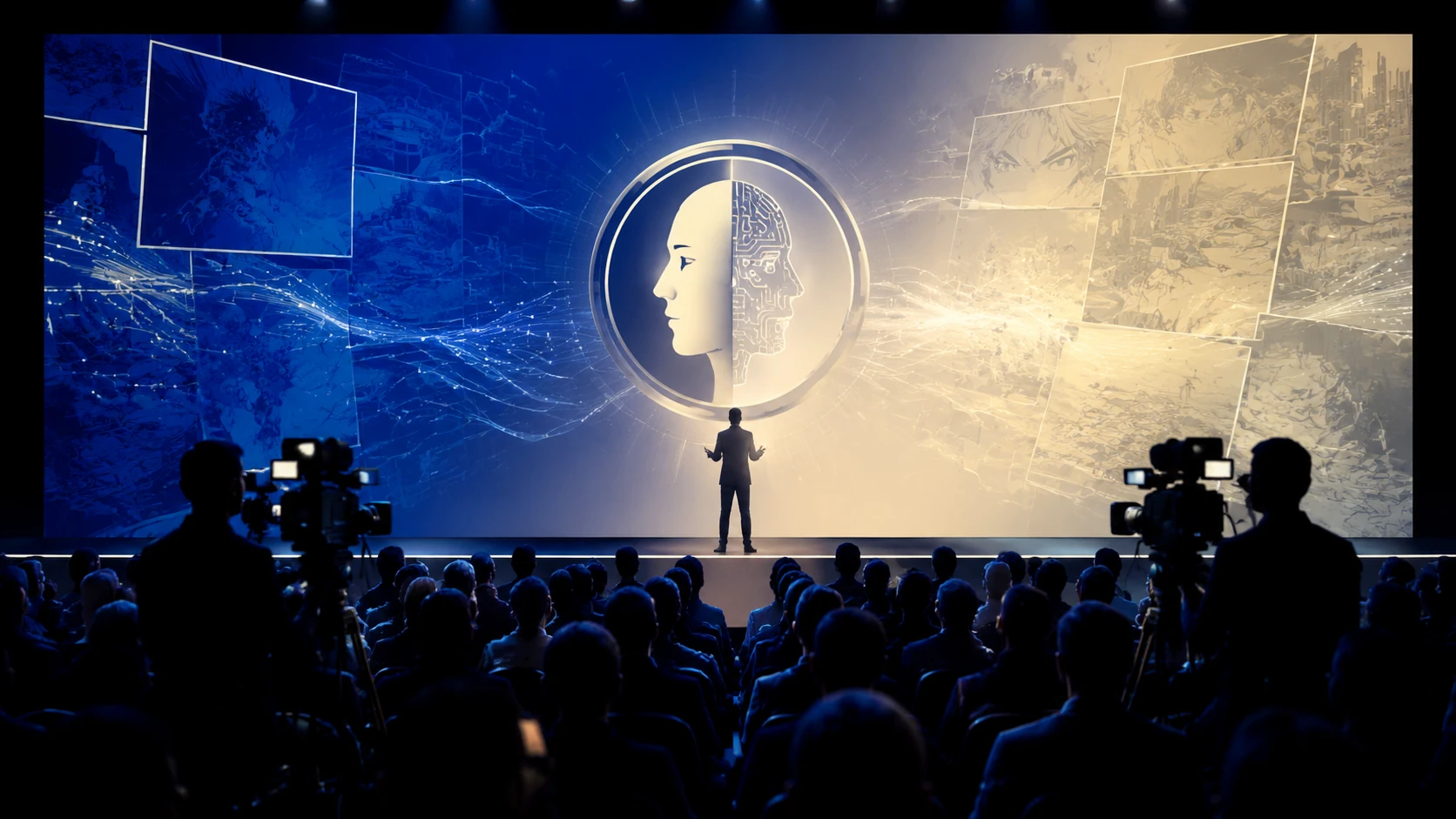
The year 2026 has introduced a formidable new gatekeeper in the world of comic and webtoon licensing: the 'Clean AI' certification. As major streaming giants like Netflix, Disney, and Crunchyroll look to the digital scroll format for their next global hits, the legal landscape has shifted from 'innovation at all costs' to 'verified provenance.' This change is driven by a need to eliminate the risk of copyright contamination and brand safety scandals that plagued early uncurated AI implementations. For creators, this means that having a great story is no longer enough; you must now prove exactly how that story was built. The industry is moving toward a standard where every brushstroke and script beat generated with AI assistance must be backed by a transparent, traceable dataset. This news analysis explores why this standard has become mandatory and what it means for the next generation of global IP.
The Rise of the Provenance Log: A New Legal Necessity
In 2026, the primary concern for licensing executives is 'legal chain of title.' When a webtoon is adapted into a $100 million live-action series, the liability of potential copyright infringement is too great to ignore. Consequently, 'Clean AI' certification has emerged as a professional audit process. Creators are now expected to maintain 'Provenance Logs'—digital records that document the AI tools used, the specific datasets those tools were trained on, and the human-to-AI ratio of the final output. Major publishers are increasingly refusing to sign contracts with creators who cannot provide a 'Human-First' or 'Opt-in AI' verification badge. This isn't just about ethics; it's about building a bulletproof legal foundation for multi-million dollar franchises that span multiple countries and jurisdictions.
What Defines a 'Clean AI' Workflow?
- Use of licensed or opt-in training data: Avoiding models trained on scraped web data without artist consent.
- Transparent tool disclosure: Explicitly listing which parts of the workflow (inking, coloring, translation, or scripting) were AI-assisted.
- Human-in-the-loop verification: Demonstrating significant manual intervention and creative direction over AI outputs.
- Copyright indemnity: Utilizing platforms that provide legal guarantees for the safety of the output generated.
Why Brand Safety is Driving the Shift
The shift toward mandatory certification is largely reactionary. In 2024 and 2025, several high-profile comic adaptations faced public backlash and legal injunctions when it was discovered that background assets or character designs were generated using models that infringed on the rights of living artists. In the 2026 market, advertisers and brand sponsors are more sensitive than ever to 'ethical consumption.' A brand that sponsors a webtoon wants to ensure they aren't inadvertently funding the devaluation of human labor. This has led to the creation of the 'Global Comic Integrity Council' (GCIC), a coalition of publishers and tech companies that sets the standards for what constitutes 'Ethical AI' in visual storytelling. Their seal of approval has become as valuable as the IP itself.
The Impact on Independent Creators and Small Studios
While large studios have the legal teams to manage these certifications, independent creators face a steeper learning curve. However, the rise of 'Certified Creative Platforms'—tools like COMICLS and others that prioritize ethical datasets—is leveling the playing field. These platforms automatically generate the necessary provenance logs, allowing solo artists to compete for high-level licensing deals without the need for expensive audits. We are seeing a bifurcation in the market: 'Unverified' content, which lives on decentralized social platforms with limited monetization, and 'Certified' content, which is eligible for premium ad revenue, merchandising, and film adaptations. For the ambitious creator, the choice is clear: transparency is the only path to a global franchise.
Preparing Your IP for a 2026 Audit
- Audit your past work: Identify if any assets were created with 'black box' AI tools and consider retouching or replacing them.
- Adopt 'Certified' tools early: Switch your production pipeline to tools that offer provenance tracking.
- Maintain a 'Creator’s Journal': Documenting your sketches, drafts, and iterations serves as physical evidence of your creative process.
- Consult a digital IP specialist: Before signing a major deal, ensure your certification meets the specific requirements of the purchasing platform.
FAQ
What is Clean AI certification in 2026?
It is a professional standard and audit process that verifies a comic's assets were created using ethical AI models trained on licensed data, ensuring the IP is safe for global licensing.
Do I need certification for my webtoon to be on a major platform?
While most platforms allow unverified content, 'Clean AI' certification is increasingly mandatory for premium monetization, ad-revenue sharing, and licensing for film or TV adaptations.
How can independent creators get their work certified?
Creators can use certified production platforms that automatically track provenance, or they can hire third-party auditors to review their logs and creative workflows.