The 2026 Atmospheric Immersion Trend: Why Sensory-Rich Reading is Saving the Webtoon Exper
The 2026 webtoon market is shifting from static vertical scrolling to 'Atmospheric Immersion,' a trend that integrates sound, haptics, and dynamic backgrounds. This movement aims to deepen reader emotional connection and solve the growing issue of digital reading fatigue.
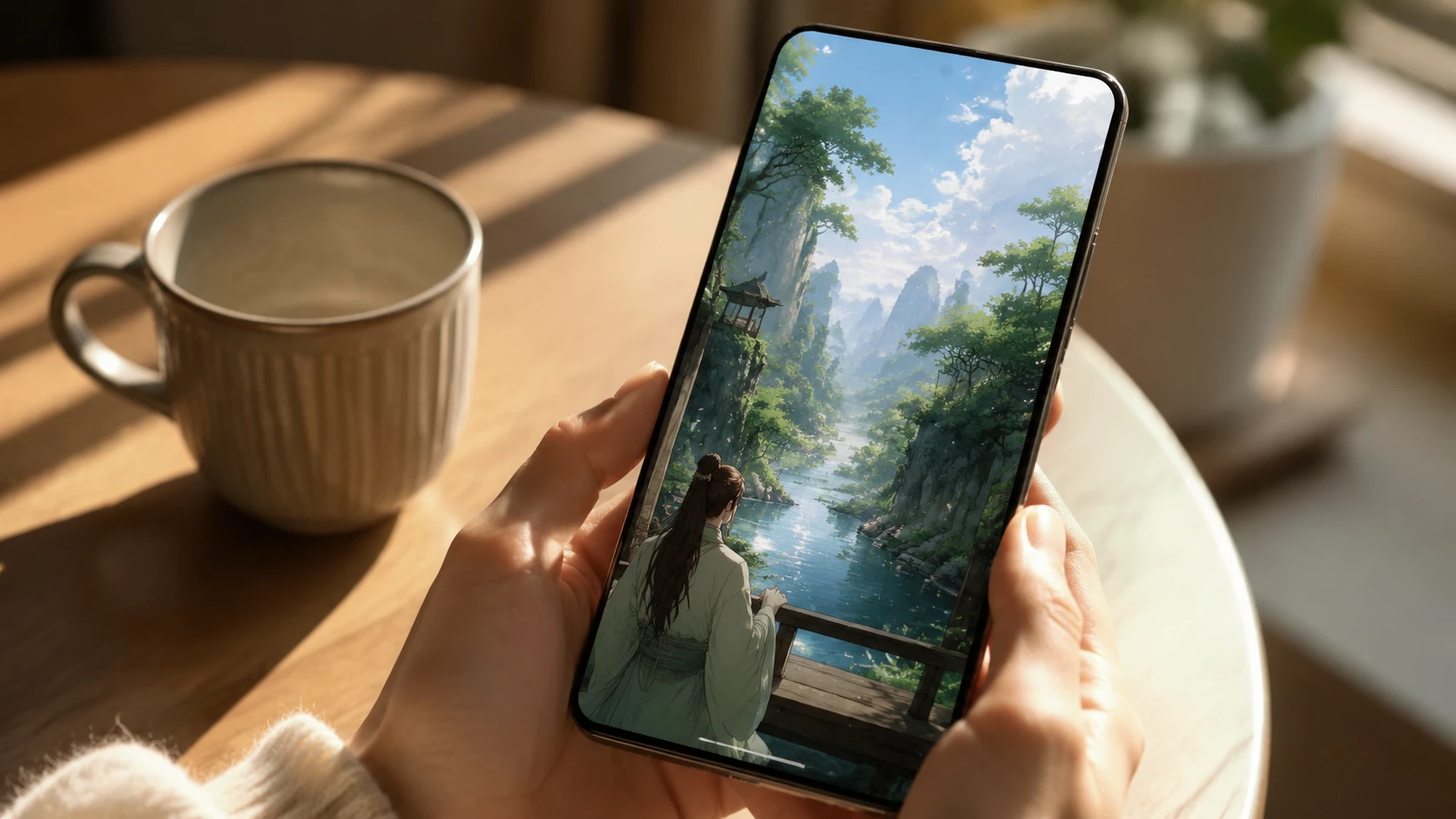
For years, the webtoon industry was defined by the 'infinite scroll'—a mechanical movement designed for speed and dopamine-driven retention. However, as we move through 2026, a significant cultural and technical shift is occurring. Readers, increasingly weary of the 'fast-food' consumption of content, are gravitating toward 'Atmospheric Immersion.' This trend represents a departure from static panels in favor of a multisensory ecosystem where audio soundscapes, haptic feedback, and dynamic background layers work in concert to create a deeper, more intentional reading experience. It is no longer just about reading a story; it is about inhabiting a mood. This evolution is proving to be the industry's most effective weapon against 'scroll fatigue' and the commoditization of digital art.
The Anatomy of Atmospheric Immersion
Atmospheric Immersion is not merely adding a background track to a comic. It is a sophisticated integration of narrative and technology. In 2026, the standard for 'Atmospheric' series includes several key layers: Reactive Soundscapes, Dynamic Parallax, and Haptic Sync. Reactive soundscapes use the reader's scroll speed to modulate the volume and intensity of environmental audio—for example, the sound of rain intensifying as the character steps outside. Dynamic Parallax layers give the vertical canvas a sense of 3D depth, making the background move slightly slower than the foreground characters, creating a 'window' effect rather than a flat image. Finally, haptic sync uses subtle vibrations to mimic heartbeats, footsteps, or the distant rumble of thunder, grounding the digital experience in physical reality.
The Rise of 'Mood-Locked' Reading
A core driver of this trend is the 'Mood-Locked' consumption model. Platforms are now using emotional metadata to suggest series based on the reader’s current environment. If a reader is in a quiet, dimly lit room, the UI might prioritize 'Atmospheric Noir' or 'Lo-fi Romance' series that utilize soft, ambient lighting effects and low-frequency soundscapes. This level of curation ensures that the medium adapts to the user's physical state, making the act of reading a webtoon a form of digital meditation rather than a frantic search for the next cliffhanger.
- Biometric Sync: High-end platforms now offer optional heart-rate syncing to adjust music tempo to the reader's excitement levels.
- Ambient UI: The reader's phone interface changes color and brightness to match the 'color script' of the current chapter.
- Spatial Audio: 2026 webtoons utilize 360-degree audio cues, allowing readers using earbuds to 'hear' characters behind them or to the side.
Solving the 'Scroll Fatigue' Crisis
The primary problem facing publishers in the early 2020s was the 'blur effect'—readers scrolling so quickly through generic art that they failed to form an emotional bond with the IP. Atmospheric Immersion forces a slower, more deliberate pace. Data from the first half of 2026 shows that 'Atmospheric' series have a 35% higher 're-read rate' compared to traditional vertical scrolls. By engaging multiple senses, creators are able to slow down the reader's cognitive processing, leading to better memory retention of the plot and characters. This shift is particularly beneficial for indie creators who cannot compete with the sheer volume of high-frequency studios but can dominate through 'sensory depth' and artistic quality.
Technical Barriers and Accessibility
While the trend is booming, it presents new challenges for the production pipeline. Files are becoming larger, and the need for standardized 'haptic-audio-visual' (HAV) metadata is critical to ensure these effects work across different device brands. Furthermore, accessibility remains a top priority. Leading 2026 platforms have implemented 'Visual-Only' or 'Audio-Descriptive' modes to ensure that readers with sensory impairments can still enjoy the atmospheric depth. This includes using screen-shaking effects as a substitute for sound for deaf readers, or high-fidelity audio descriptions for the visually impaired, ensuring the 'Atmospheric' trend is inclusive rather than exclusive.
The ROI of Immersion
From a market perspective, immersion equals monetization. Readers are showing a high willingness to pay a premium for 'Ultra-Immersive' editions of their favorite series. These editions often feature exclusive soundscapes composed by professional musicians and haptic 'easter eggs' hidden throughout the scroll. In a saturated market, sensory quality has become the new metric for 'prestige' webtoons, driving higher ARPU (Average Revenue Per User) and creating a new tier of 'luxury digital collectibles' within the comic space.
FAQ
Does atmospheric immersion drain phone battery faster?
While it requires more processing power than static images, 2026 optimization standards like 'Adaptive Sensory Rendering' ensure that battery drain is minimized by only activating audio and haptic layers when the user is actively scrolling or on a specific key panel.
Can I read atmospheric webtoons without headphones?
Yes, but the experience is significantly diminished. Most 2026 atmospheric series are designed with 'Binaural Audio,' which is best experienced through headphones to provide the intended spatial depth.
Are all webtoons going to become 'atmospheric'?
Not necessarily. While it is a dominant trend for high-budget drama, horror, and fantasy, comedy and fast-paced action series often stick to traditional formats to maintain high-speed reading flow.