Semantic World-Building: How 2026 Creators Use Lore Engines for Narrative Continuity
In 2026, the challenge of maintaining continuity in sprawling comic universes is being solved by Semantic World-Building. Learn how Lore Engines are helping creators manage complex plot threads and character data with surgical precision.
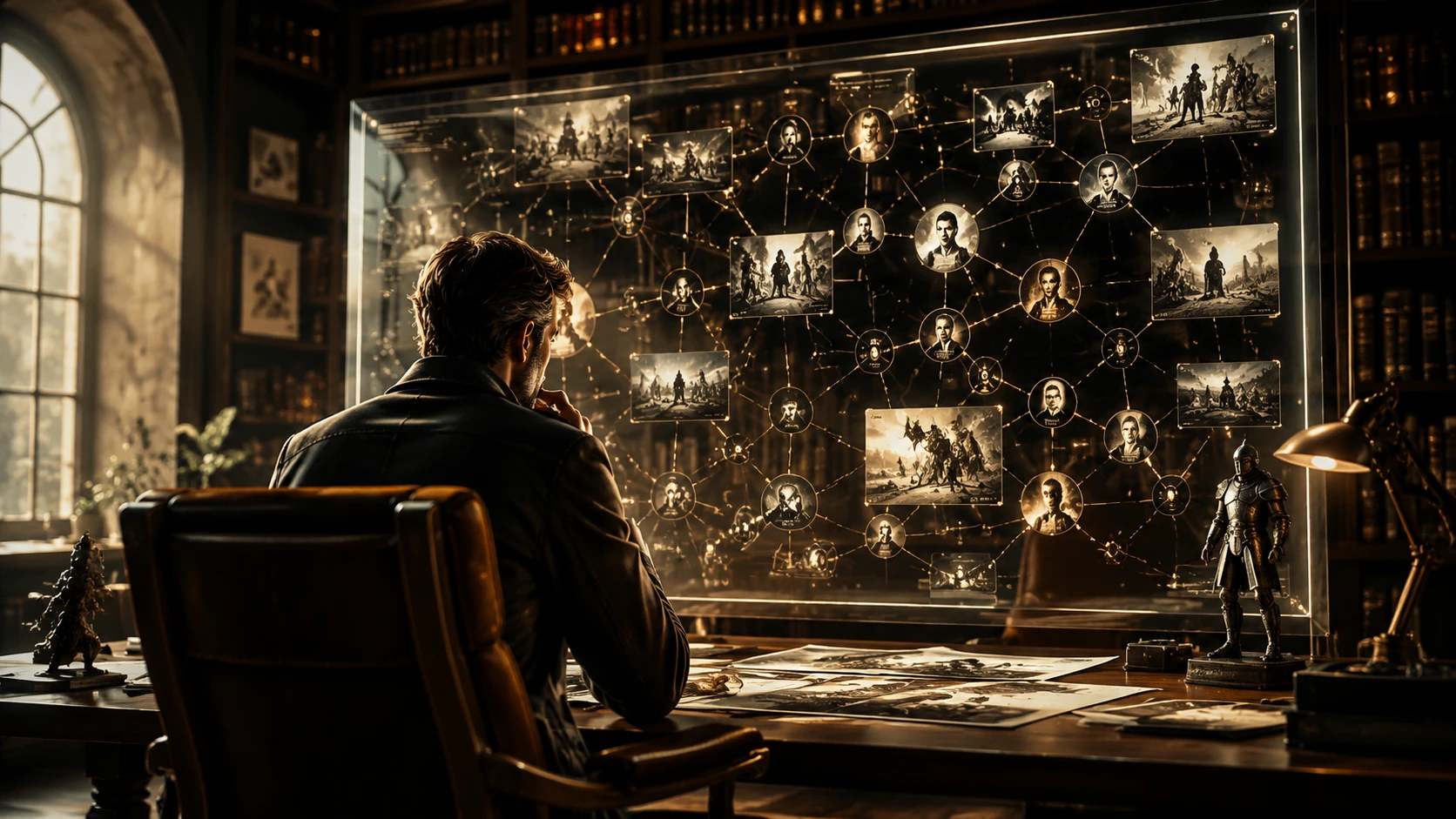
As comic universes expand into decade-long serials and cross-platform franchises, the 'continuity error' has become the silent killer of reader immersion. In 2026, the industry is moving beyond static wiki pages and manual spreadsheets. The rise of Semantic World-Building—driven by Lore-Consistency Engines (LCEs)—is revolutionizing how writers and artists manage the staggering amount of data required to sustain a long-running narrative without breaking its own internal logic.
The Shift from Static Wikis to Active Lore Engines
Traditionally, world-building was a passive exercise. Creators would write 'bibles' that often sat gathering dust while production schedules took priority. In 2026, Lore-Consistency Engines have transformed these bibles into active narrative databases. These tools use semantic analysis to 'read' a script and cross-reference it against every previous chapter in real-time. If a character’s eye color shifts or a historical event is referenced with the wrong date, the system flags it during the drafting phase, not after the ink is dry.
This technology doesn't just catch errors; it suggests opportunities. By mapping the 'semantic weight' of certain plot points, creators can see which narrative threads have been neglected and which character arcs are reaching a saturation point. This data-driven approach allows for more intentional pacing and ensures that every 'Easter egg' or foreshadowed event is tracked and resolved.
Visual Continuity: Maintaining the 'Soul' Across Studios
The challenge of continuity is doubled for studios that employ multiple artists. Semantic world-building extends to visual assets. In 2026, 'Visual Lore Engines' store character turnarounds, scar placements, and even specific color palettes as metadata-tagged entities. When a new artist joins a project, the engine provides a 'contextual overlay' that highlights consistent features in their rough sketches.
- Automated Asset Tracking: Ensuring a character's unique accessory stays in the correct hand across different panels.
- Environment Consistency: Using 3D semantic maps to ensure the layout of a recurring room never changes inadvertently.
- Dynamic Style Guides: Tools that adapt the line-weight and shading rules based on the specific narrative arc (e.g., flashback vs. present day).
Impact on Reader Engagement and Discovery
Readers in 2026 are more sophisticated than ever. They expect 'hyper-continuity.' Platforms that integrate these lore engines into their reader-facing interfaces are seeing significantly higher retention rates. Imagine a reader being able to hover over a secondary character and instantly see a 'spoiler-free' summary of their previous appearances, powered by the creator's own lore engine. This creates a deeper, more interactive relationship between the audience and the world-building.
The Future: AI as the Narrative Librarian
Looking toward the late 2020s, we expect Lore Engines to move from 'error checking' to 'predictive world-building.' These systems will be able to simulate the ripple effects of a new plot point across an entire universe, helping creators understand the long-term consequences of their narrative choices before they commit to them. This isn't about AI writing the story; it's about AI serving as the ultimate librarian, ensuring the human creator's vision remains structurally sound.
FAQ
What is a Lore-Consistency Engine (LCE)?
An LCE is a software tool that uses semantic data to track characters, events, and world rules within a story, ensuring new content remains consistent with previously established facts.
Does semantic world-building replace human editors?
No. It acts as an assistant that handles the tedious task of fact-checking, allowing human editors to focus on higher-level narrative themes, emotional resonance, and creative direction.
Can these tools be used for small webtoon projects?
Yes, many lightweight versions of these engines are now available for indie creators to help manage character growth and plot threads on a smaller scale.