Interactive Narrative Design: The 2026 Convergence of Webtoons and Visual Novels
The line between reading a comic and playing a story is blurring as 2026 creators adopt interactive narrative design. Discover how branching paths and reader-driven choices are becoming the new standard for digital webtoons.
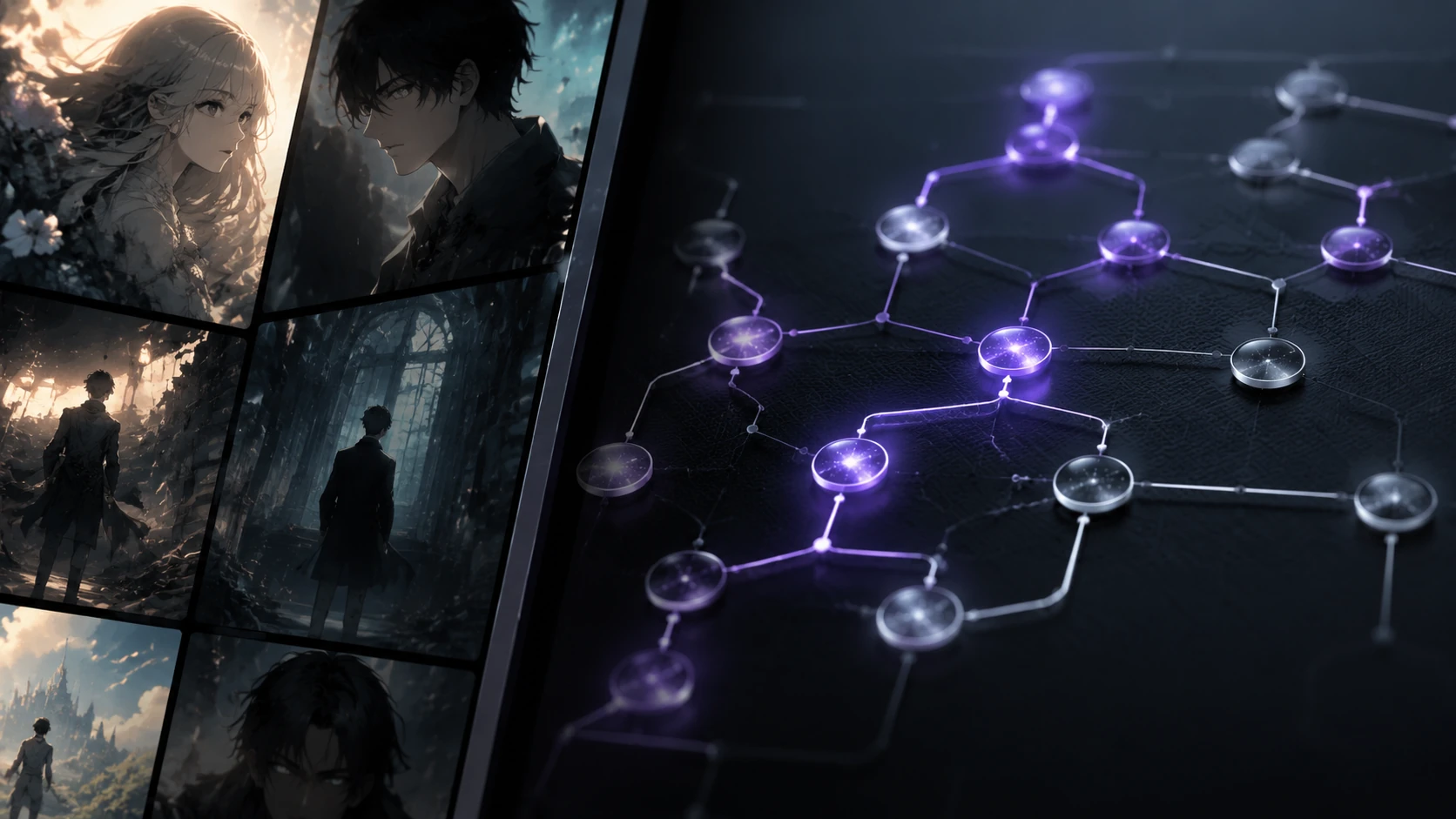
In 2026, the distinction between a 'reader' and a 'player' is becoming increasingly fluid. As digital comic platforms evolve, the industry is witnessing a significant shift toward interactive narrative design—a hybrid medium that marries the vertical scrolling of webtoons with the branching choice mechanics of visual novels. This convergence is not merely a gimmick; it represents a strategic evolution in how creators maintain engagement in an era of hyper-competition for digital attention.
The Mechanics of Choice: Designing Branching Paths
Unlike traditional static comics, interactive webtoons utilize a 'node-based' storytelling structure. Creators are now designing scripts that allow readers to make pivotal decisions at the end of an episode, leading to varied story arcs or hidden 'epilogue' panels. This approach leverages the vertical UX of mobile devices, using scroll-triggered events to reveal consequences of the reader's choices.
- Dynamic Panel Swapping: Changing the artwork based on previous reader interactions.
- Hidden Metadata Triggers: Unlocking bonus content after specific reading milestones.
- Variable Endings: Offering multiple 'canon' conclusions to increase re-readability.
Technical Standards and Engine Integration
The rise of this format has been accelerated by the standardization of interactive comic engines. In 2026, platforms are moving away from proprietary code toward open-source semantic metadata that allows branching logic to be embedded directly into the comic's file structure. This ensures that interactive elements are accessible across different apps and devices without compromising load speeds or user privacy.
Gamification vs. Narrative Integrity
While the infusion of gamified elements—such as affinity meters or inventory systems—adds depth, the most successful 2026 creators focus on 'narrative agency.' This means choices must feel emotionally resonant rather than just mechanical. The goal is to enhance the story's themes, allowing readers to explore different facets of a character's personality through their decisions.
Monetization and the 'Second-Read' Economy
From a business perspective, interactive webtoons offer a unique revenue model. Platforms have found that readers are willing to pay for 'path unlocks' or to go back and experience a different timeline. This 'second-read' economy significantly extends the lifecycle of a single IP, turning a 50-chapter series into a multi-layered experience with hundreds of hours of potential engagement.
FAQ
What is an interactive webtoon?
An interactive webtoon is a digital comic that incorporates branching storylines, choice-based mechanics, and interactive elements similar to visual novels, allowing the reader to influence the narrative.
How do creators manage branching stories?
Creators use node-based storyboarding software and interactive comic engines to map out different narrative paths and ensure consistency across multiple timelines.
Are interactive comics more expensive to produce?
Yes, they typically require more artwork and complex scripting, but they often yield higher retention and re-readability, providing a better return on investment.