Global Webtoon Consumption Trends 2026: The Shift Toward Transmedia Reading
The 2026 comic market is defined by the 'seamless reader,' who moves fluidly between vertical scrolls, streaming adaptations, and immersive digital archives. We analyze the shift toward transmedia storytelling and how it is reshaping the global publishing landscape.
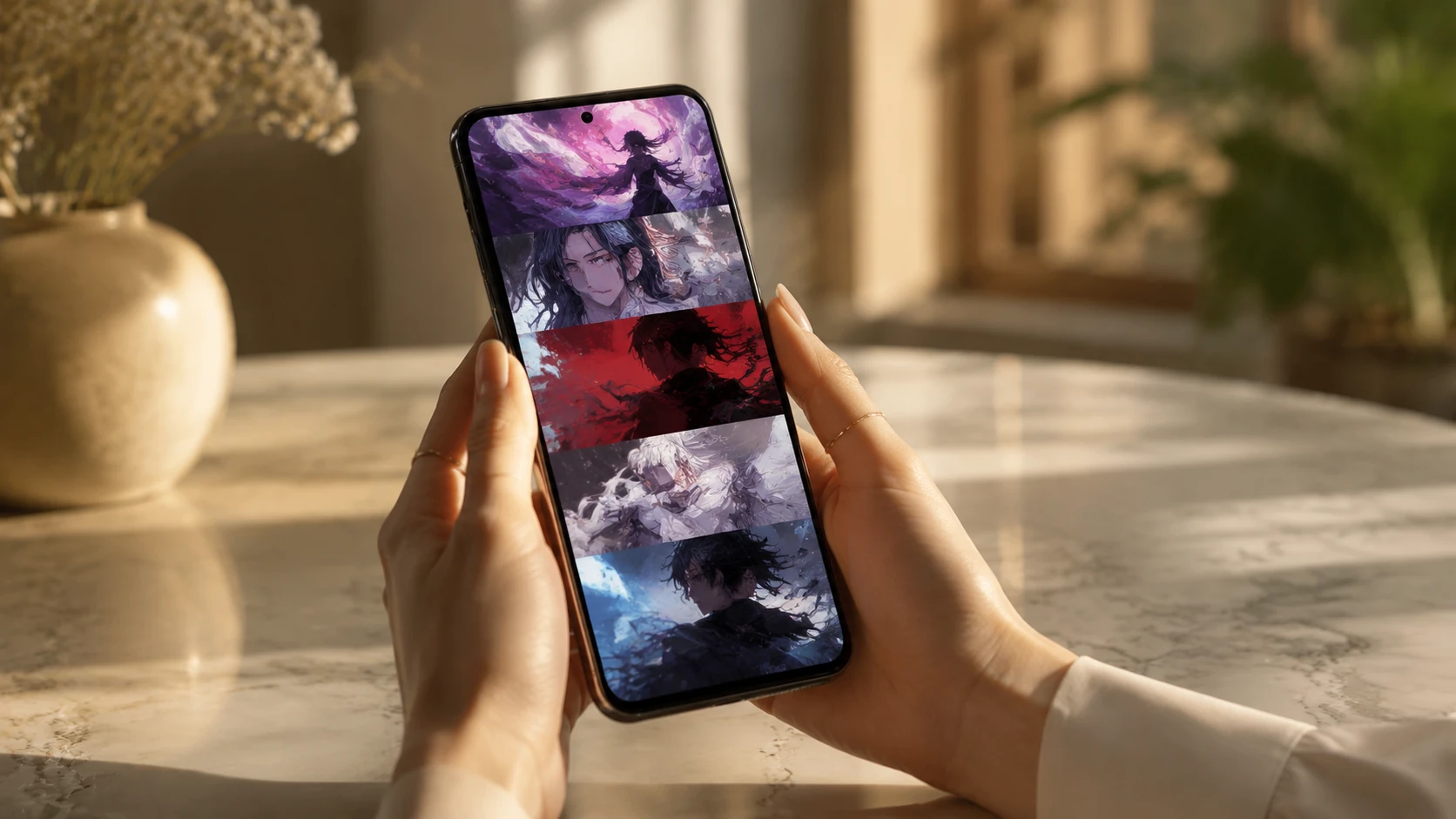
As we navigate the midpoint of 2026, the global comic and webtoon market has transitioned from a niche digital alternative to the primary engine of modern intellectual property (IP). No longer confined to static pages or simple vertical scrolls, the '2026 Reader' demands a transmedia experience where the lines between reading, watching, and interacting are increasingly blurred. This shift is driven by a new generation of consumers who prioritize accessibility, cultural relevance, and cross-platform continuity.
The Rise of the 'Transmedia' Consumption Model
In 2026, the most successful comic franchises are those that launch with a multi-platform strategy. We are seeing a 'simul-release' trend where a webtoon's season finale coincides with the launch of its animated adaptation or a companion interactive novel. This synergy ensures that the IP remains top-of-mind across different media formats, capturing diverse audience segments simultaneously.
- Cross-platform loyalty: Readers are 40% more likely to engage with a comic if it has an existing or planned adaptation in other media.
- Interactive elements: Modern webtoon platforms are integrating soundscapes, subtle haptic feedback, and 'choice-based' side chapters to deepen immersion.
- Synchronized updates: Global platforms are now syncing chapter releases across 12+ languages to prevent spoilers and maintain a unified global fandom.
Glocalization: Local Stories for a Global Audience
One of the most significant market shifts in 2026 is 'glocalization.' While South Korean manhwa and Japanese manga remain dominant, there is a surging demand for locally-produced content that follows global stylistic standards. Readers in Southeast Asia, Europe, and Latin America are seeking stories that reflect their own cultural nuances while utilizing the popular vertical-scroll format.
Publishers are responding by investing in local talent hubs, using AI-assisted translation tools to bridge the language gap while employing human 'cultural editors' to ensure that humor, slang, and social contexts are accurately preserved for global consumption.
The Mobile-First Evolution: UX as a Content Driver
The way we read has fundamentally changed the way creators draw. In 2026, 'mobile-first' isn't just a recommendation; it's a structural requirement. This has led to the 'Cinematic Scroll'—a technique where panel transitions are timed to the average scrolling speed of a mobile user, creating a pseudo-animated effect.
- Variable pacing: Vertical gutters (the space between panels) are being used strategically to control the emotional beat and reading speed.
- OLED-optimized palettes: High-contrast coloring is becoming standard to accommodate reading in various lighting conditions, from bright sunlight to dark rooms.
- Short-form dominance: While long-running series still thrive, there is a growing market for 'micro-comics' designed for 2-minute commutes.
AI and the Curation Economy
In 2026, AI is no longer just about generation; it is about discovery. With millions of chapters available, 'choice paralysis' is a real threat to reader retention. Advanced recommendation engines now use 'emotional mapping' to suggest comics based on a reader's mood or past engagement with specific narrative tropes, rather than just genre tags.
Furthermore, AI-driven 'smart summaries' allow readers to catch up on long-running series quickly, lowering the barrier to entry for legacy titles that have hundreds of chapters. This technology is revitalizing older IPs and keeping them relevant in a fast-paced market.
FAQ
What are the biggest webtoon trends in 2026?
The biggest trends include transmedia storytelling (comics linked to games/anime), glocalization (local stories for global audiences), and mobile-first cinematic scrolling techniques.
How is AI affecting comic consumption?
AI is primarily used for personalized content discovery, real-time translation, and providing 'smart catch-up' summaries for long-running series.
Why is the vertical scroll format so popular?
Vertical scrolling is optimized for one-handed mobile use and allows for a 'cinematic' flow that mimics the pacing of film, making it more intuitive for modern digital consumers.