Fixing Lore-Debt: The 2026 LD Audit for Studios
Is your world-building suffocating your story? Master the 2026 Lore-Debt (LD) Audit to prune unnecessary complexity and maintain reader engagement in long-form series.
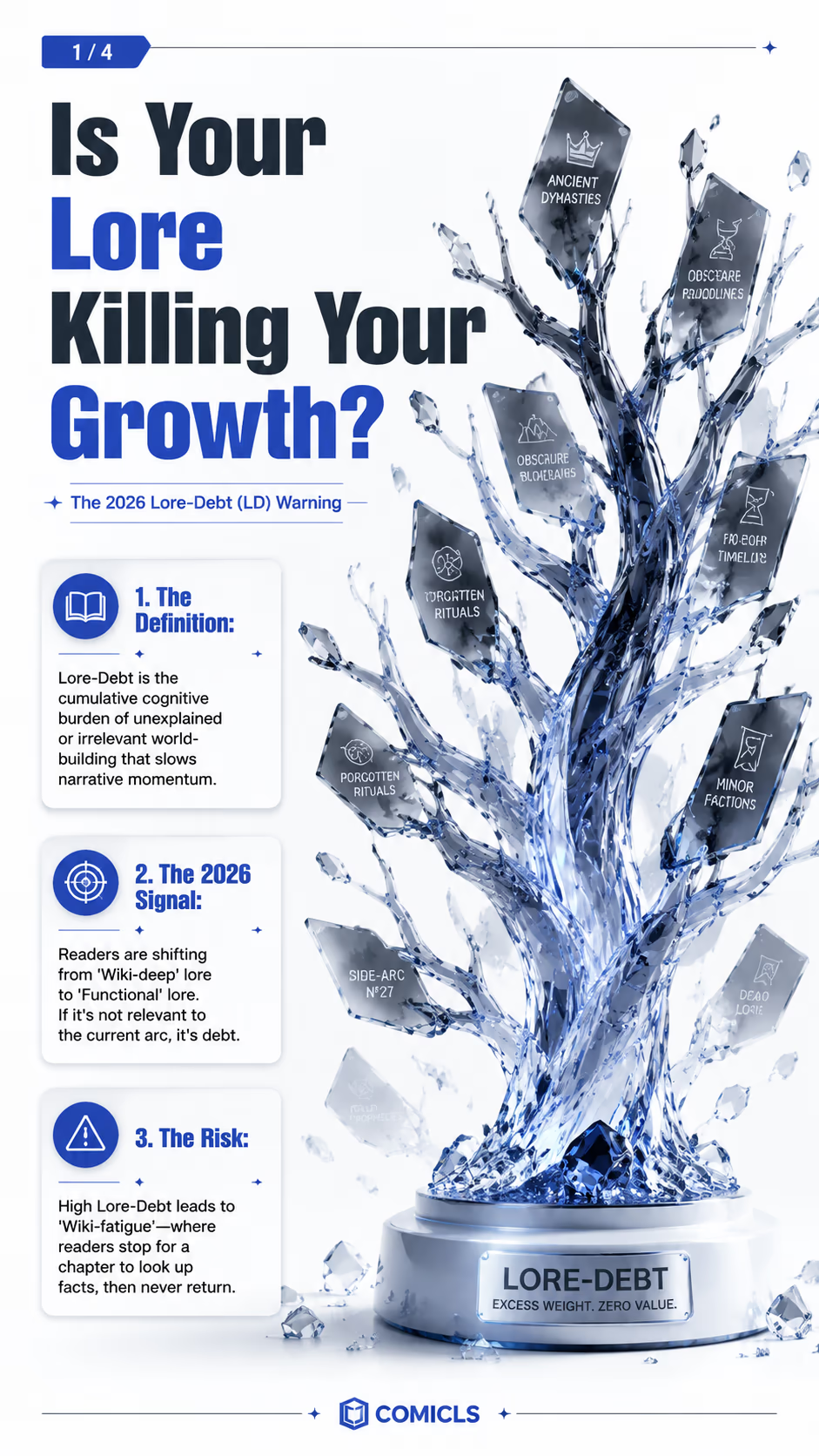
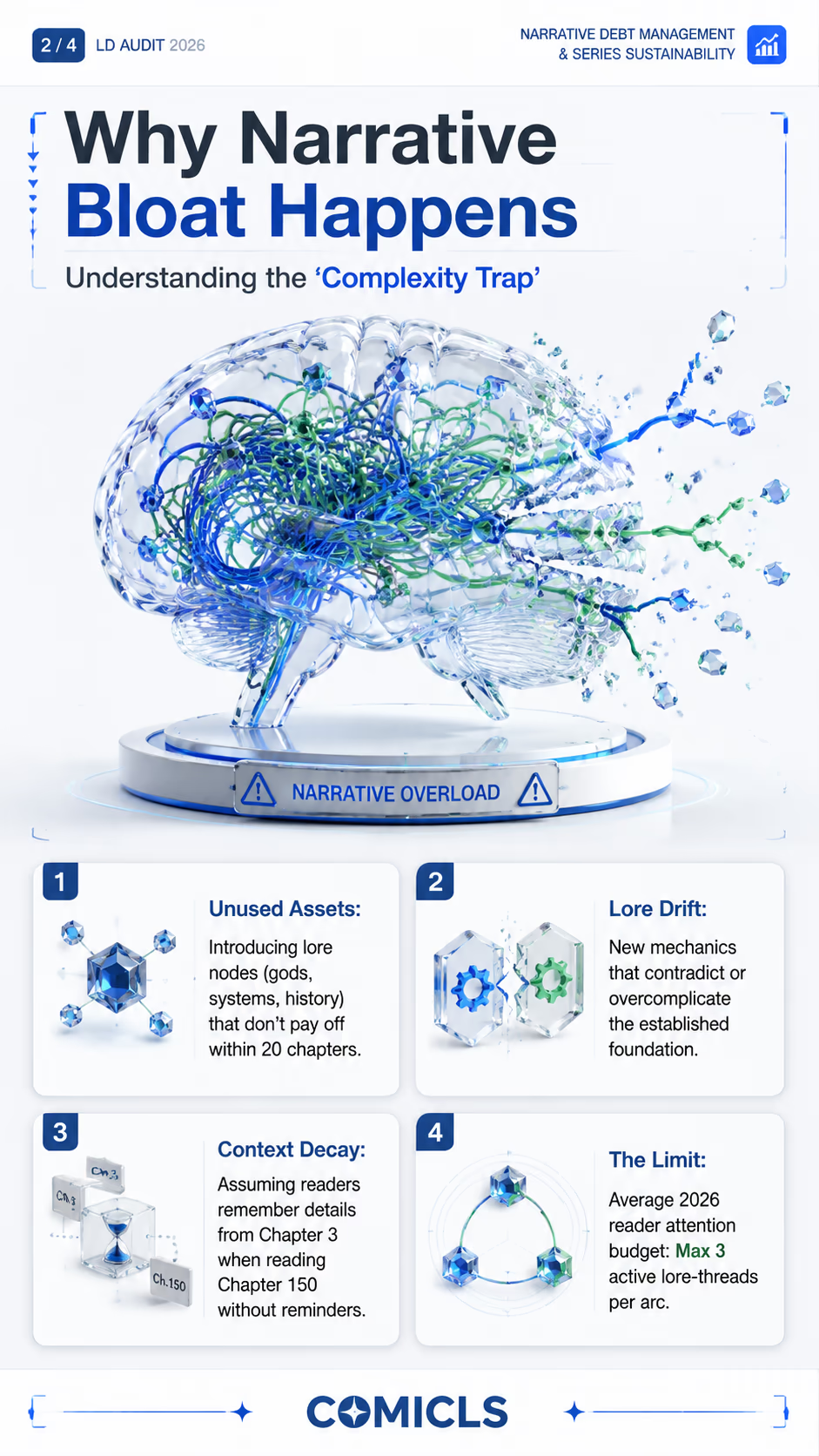
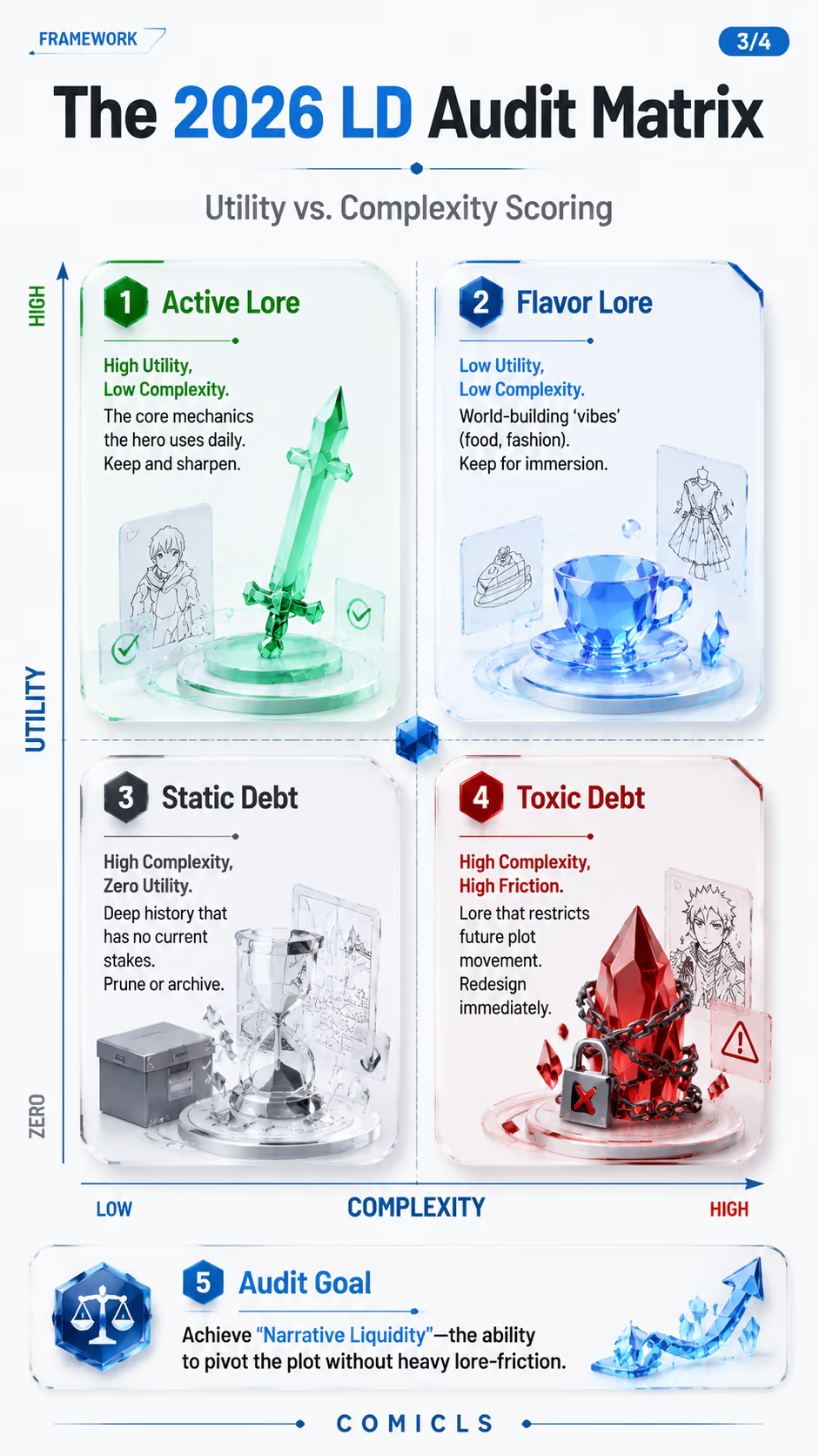
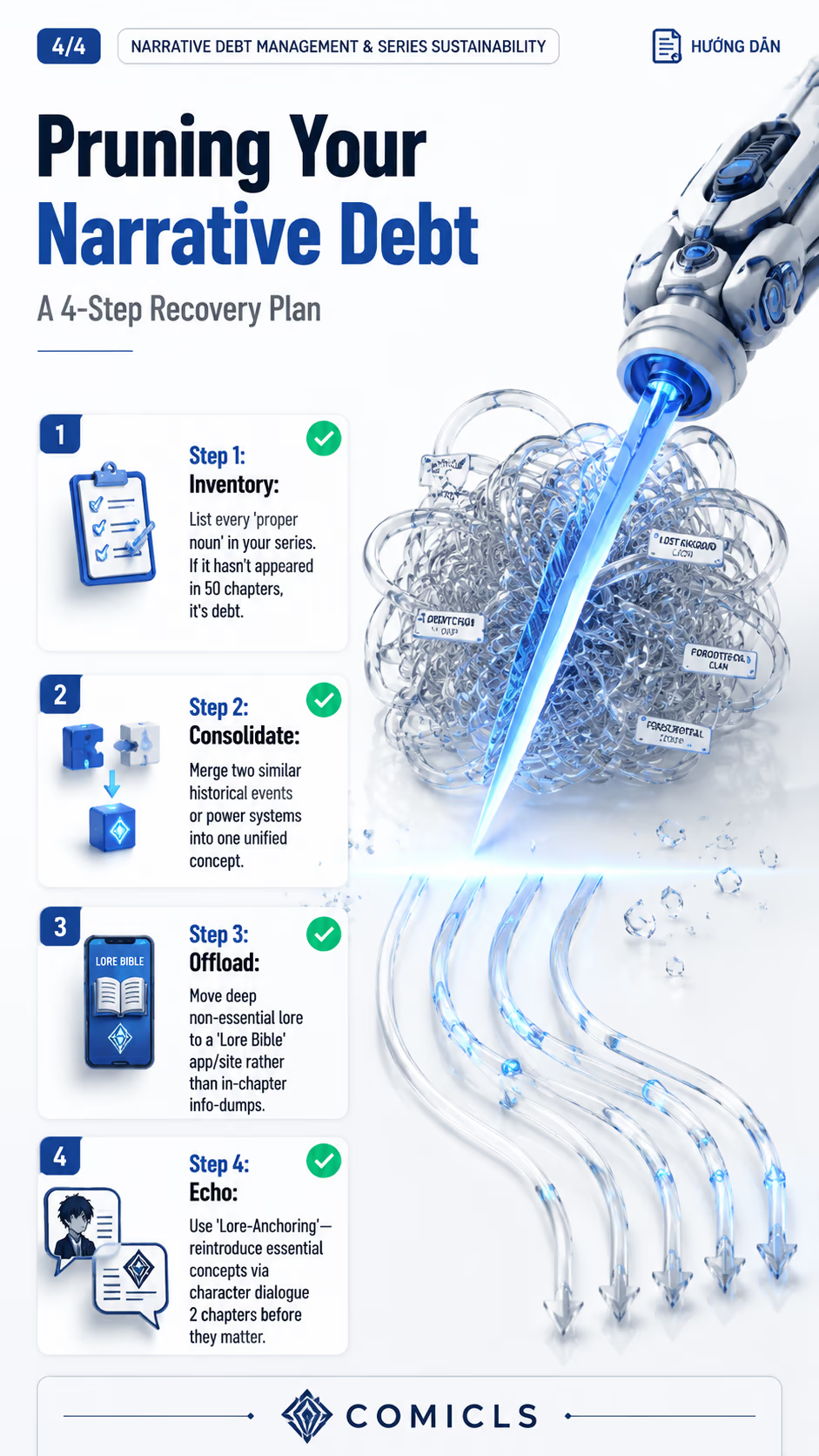
The 2026 Lore-Debt (LD) Audit is a critical framework for creators of long-running webtoons and manga to prevent 'Wiki-fatigue' among their readership. As series reach 100+ chapters, the accumulation of unnecessary world-building details can create a barrier to entry for new fans and a source of confusion for existing ones. By applying a systematic audit, studios can distinguish between 'Functional Lore'—which drives the plot—and 'Static Debt'—which merely adds weight without value.
- Identify the three signs of Lore-Debt: rising bounce rates on 'lore-heavy' chapters, reader confusion in comment sections, and plot-stalls.
- Understand the shift toward 'Narrative Liquidity' where story arcs remain agile and unburdened by over-explained history.
- Utilize the LD Audit Matrix to categorize story elements into Active, Flavor, Static, or Toxic segments.
- Implement a pruning strategy to move non-essential world-building into external community hubs while keeping the main scroll streamlined.
FAQ
What is the difference between world-building and lore-debt?
World-building provides immersion and stakes; lore-debt occurs when that building becomes so complex or irrelevant that it hinders the reader's ability to follow the story.
How often should I audit my series for lore-debt?
We recommend a Narrative Audit every 50 chapters or at the conclusion of every major story arc.
Does pruning lore mean making the story simpler?
No, it means making the story more efficient. It allows your complex themes to shine by removing the 'noise' of unnecessary proper nouns and background data.