Does Your Pacing Match the 2026 ‘Climax-per-Scroll’ Standard?
In 2026, standard chapter-level climaxes are no longer enough to hold attention. Master the CpS Standard to engineer micro-peaks that keep readers scrolling.
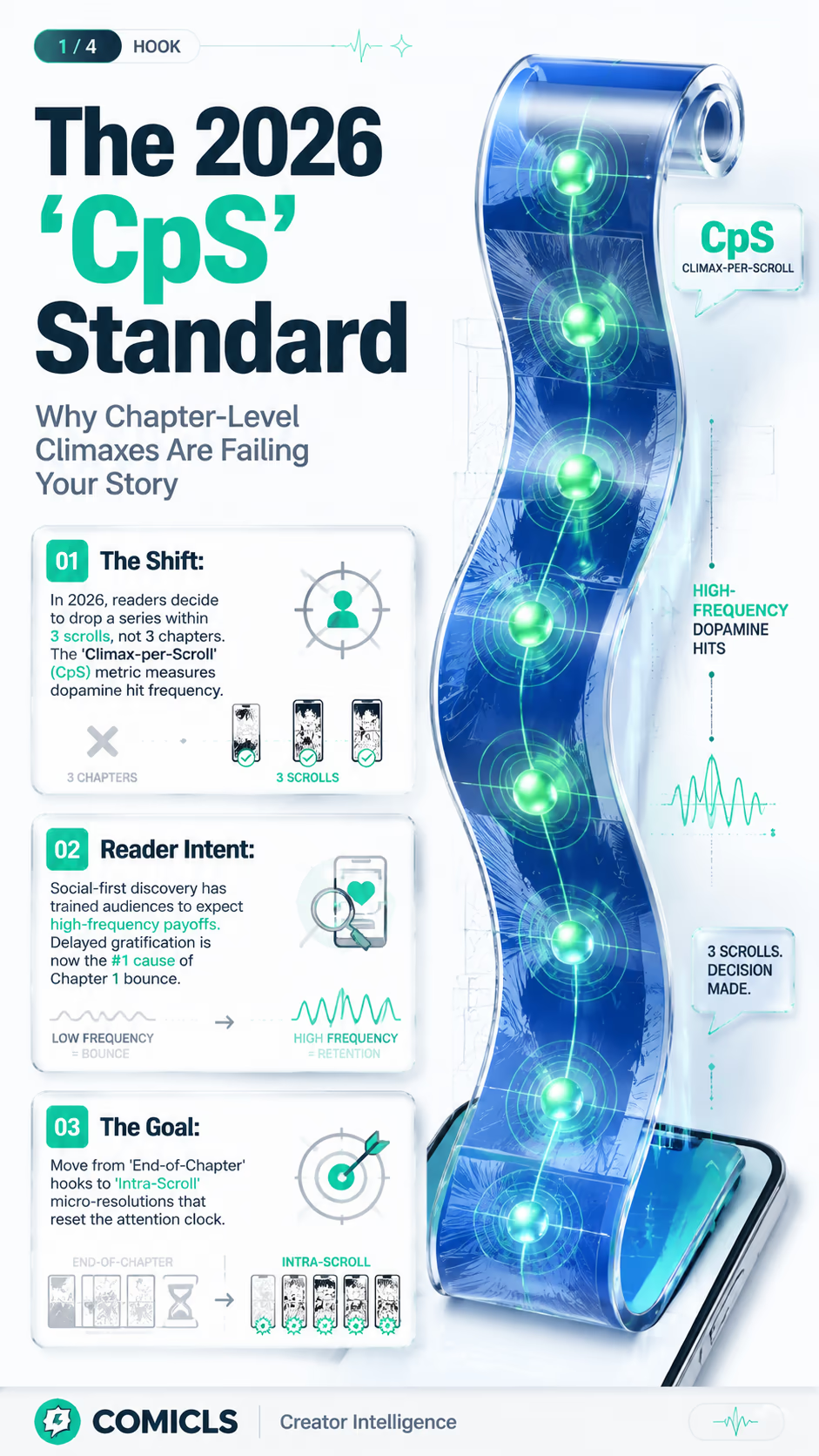
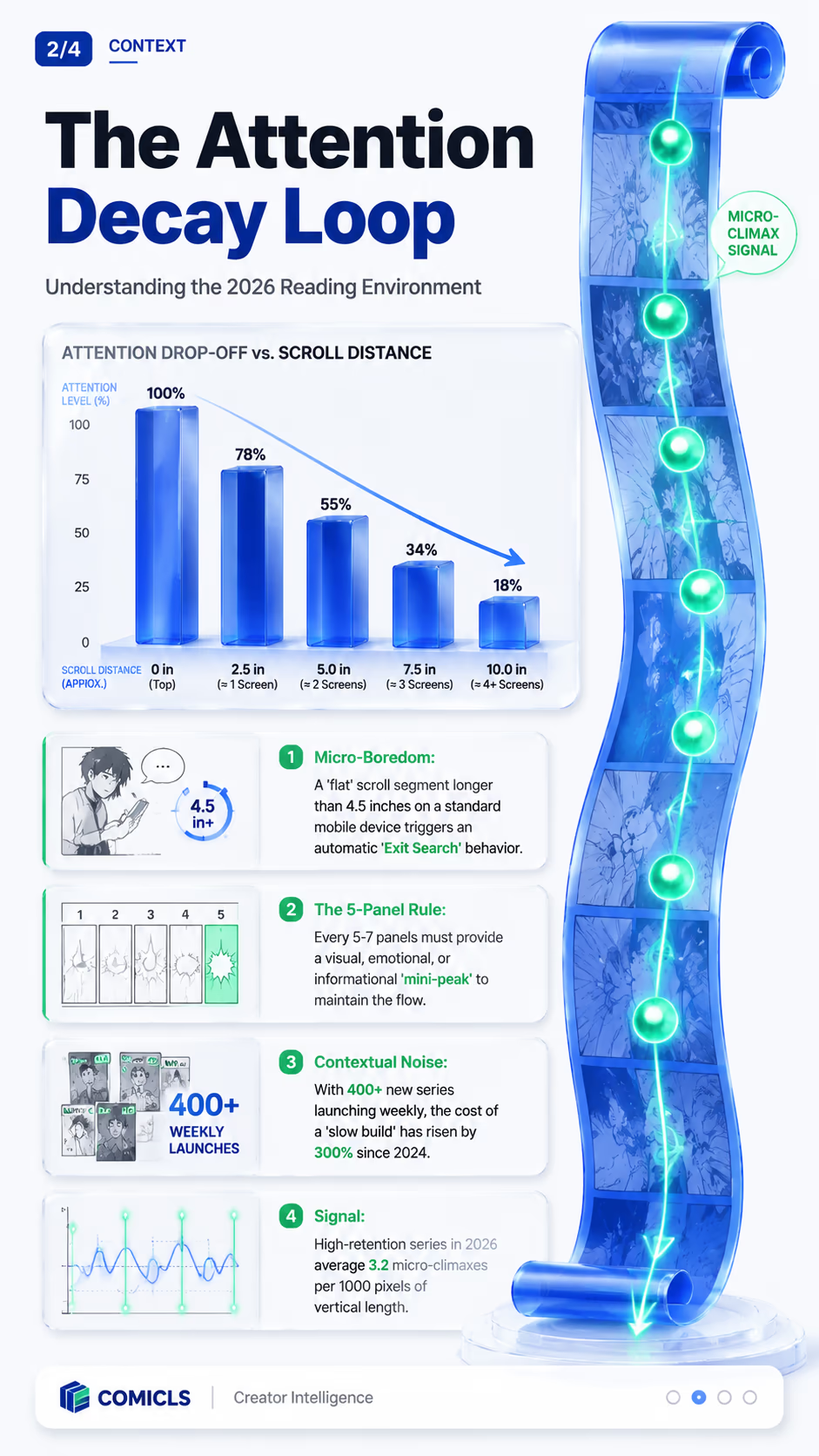
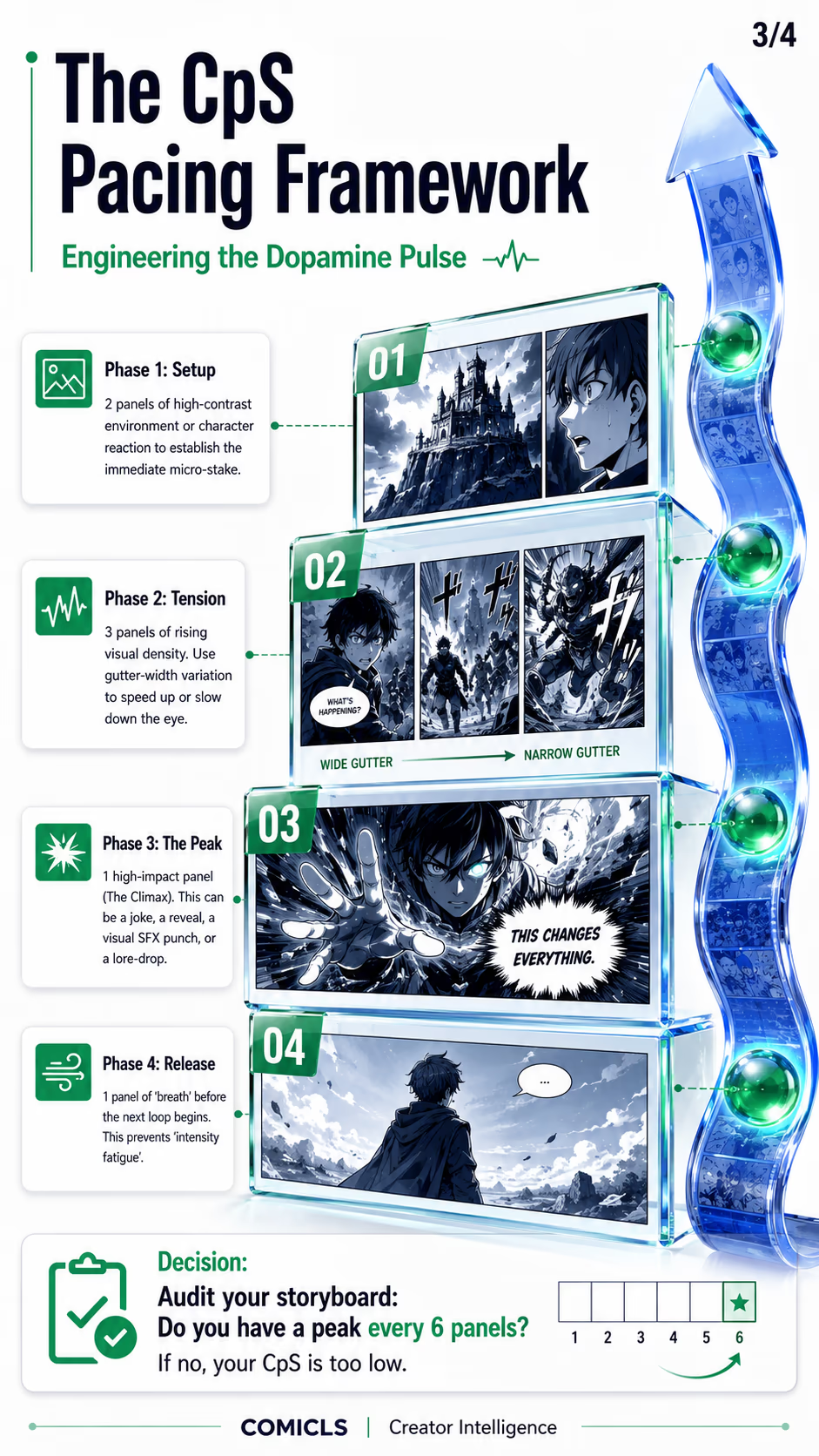
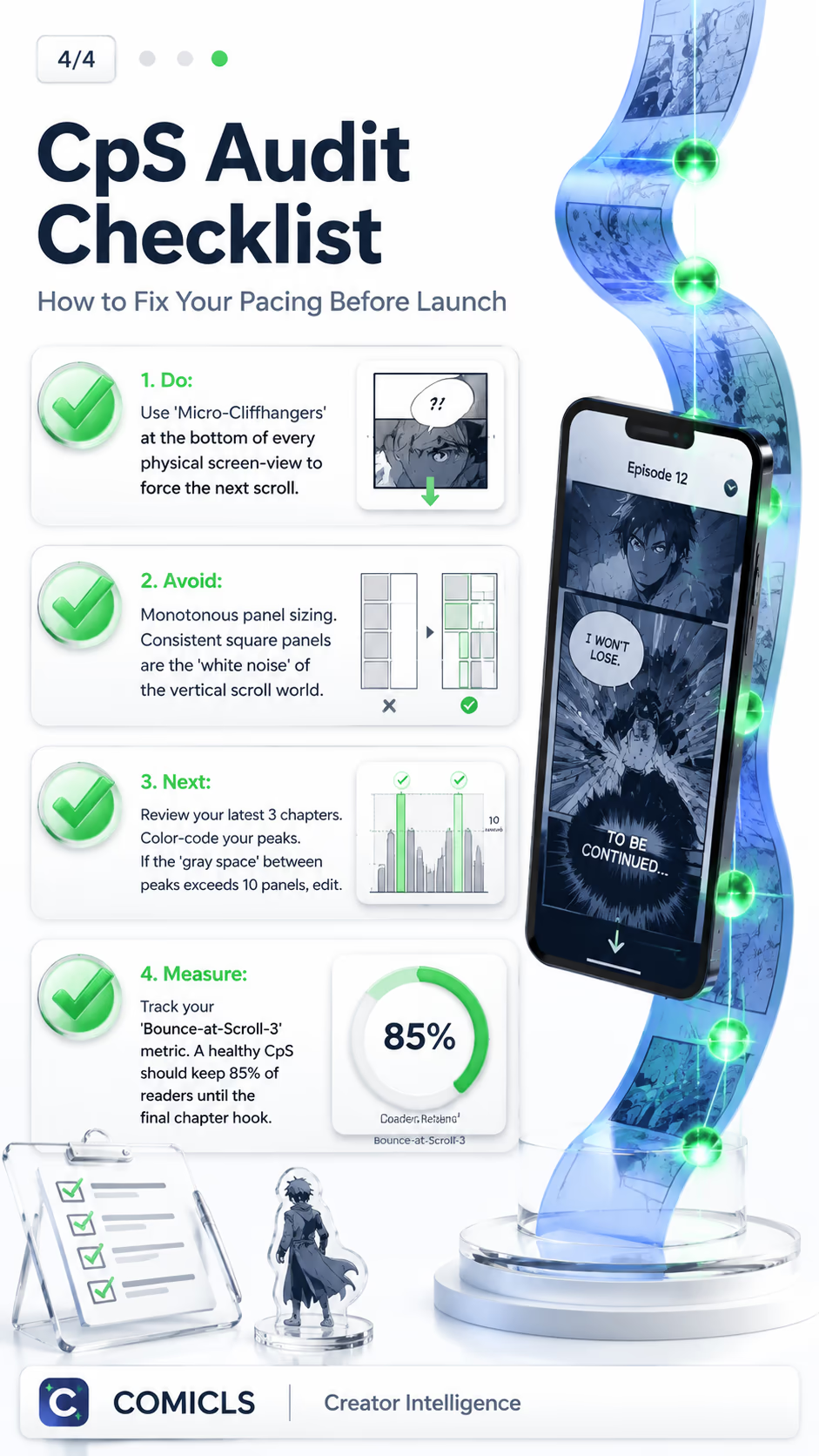
The 2026 'Climax-per-Scroll' (CpS) Standard is a strategic response to the extreme fragmentation of reader attention. In an era where webtoons compete directly with short-form video, the traditional narrative arc—which saves the payoff for the end of the chapter—is no longer viable for retention. Creators must now engineer their stories as a sequence of micro-pulses, ensuring that the reader receives a small psychological or narrative reward every few seconds of scrolling. This approach doesn't diminish the quality of the overall story; rather, it ensures the reader stays engaged long enough to appreciate the larger themes.
- Page 1 introduces the CpS metric as the primary health signal for vertical scroll retention in 2026.
- Page 2 explains the 'Attention Decay Loop' and why readers bounce after 4.5 inches of flat narrative.
- Page 3 provides a 4-phase framework for engineering micro-climaxes every 5-7 panels.
- Page 4 offers an audit checklist to identify and fix pacing dead-zones before they affect your bounce rate.
FAQ
What is the ideal CpS for a drama or slice-of-life webtoon?
While action series have higher visual peaks, drama series achieve CpS through 'Emotional-Turns'—a shift in mood or a sharp dialogue reveal—every 7-10 panels.
Will high CpS lead to reader burnout?
Only if you ignore the 'Release' phase. The key is rhythmic breathing; follow every peak with a low-density panel to allow the reader's eyes to reset.