Decoding the Format: A 2026 Guide to Manga, Manhwa, and Western Comic Structures
The choice between vertical scroll and traditional page layout is no longer just about preference—it's a strategic narrative decision. This guide breaks down the architectural DNA of Manga, Manhwa, and Western comics for the modern reader and creator.
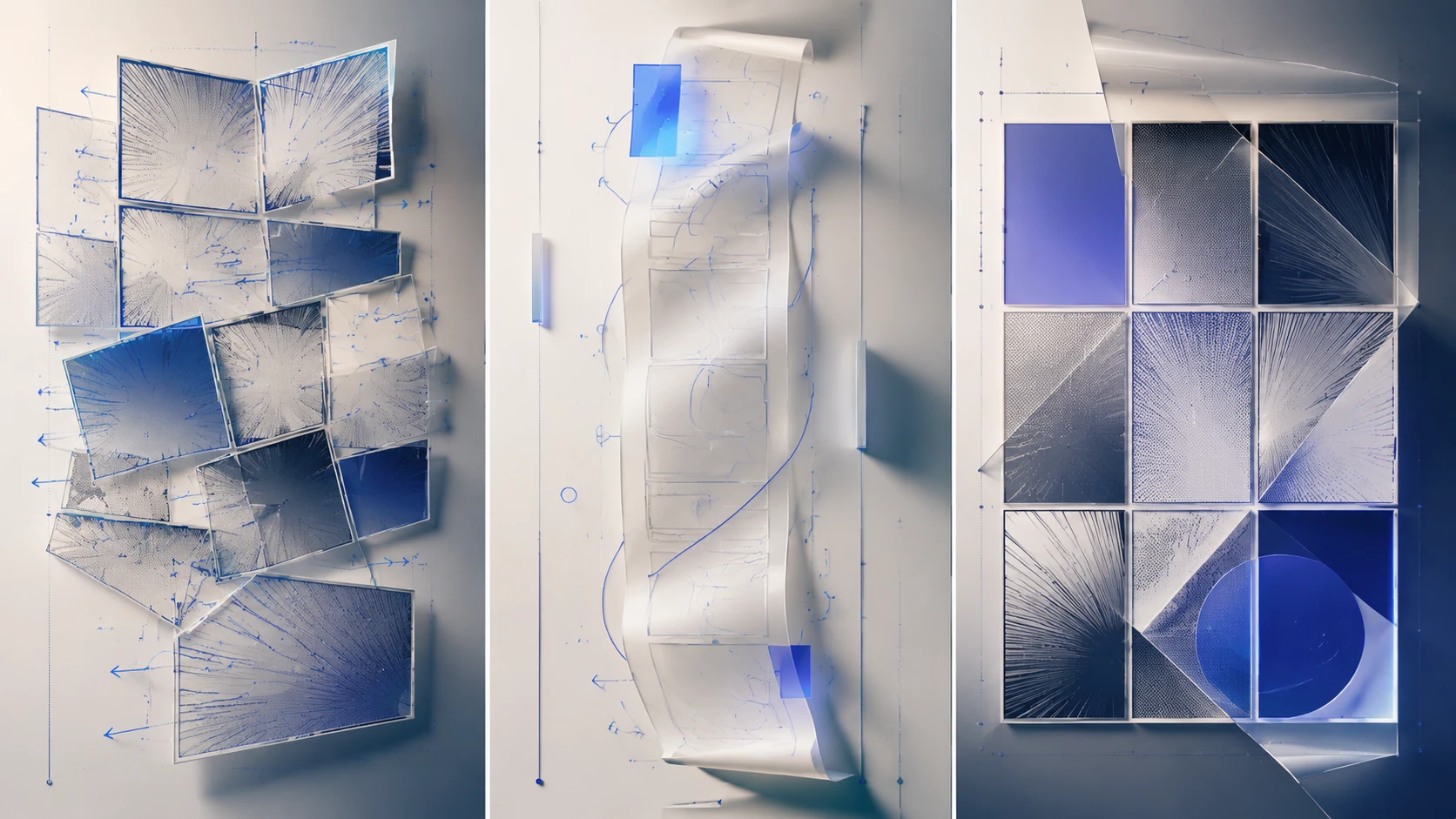
By 2026, the lines between global comic cultures have blurred, yet their underlying architectures remain distinct. For the contemporary reader, understanding these structures enhances visual literacy; for the creator, it is the difference between a story that resonates and one that feels disjointed. Whether you are navigating the intricate gutters of a Japanese Manga, the infinite descent of a Korean Manhwa, or the cinematic weight of a Western Graphic Novel, the 'canvas' dictates the heartbeat of the narrative.
Manga: The Geometry of the Gutter
Manga remains the gold standard for traditional page-based pacing. Its structure is defined by the 'right-to-left' reading order, which influences the psychological weight of every panel. In 2026, Manga aesthetics have evolved to utilize 'Ma' (negative space) more aggressively in digital formats, but the core remains the sophisticated use of the gutter—the space between panels.
- Non-linear paneling: Manga often uses diagonal gutters to create a sense of speed or emotional instability.
- Internal Monologue: The structure prioritizes character interiority, often overlaying text bubbles across panel borders to blend thought with action.
- Compression and Expansion: Manga masters the art of slowing down time through 'aspect-to-aspect' transitions, where multiple panels focus on different parts of a single scene.
Manhwa and Webtoons: The Vertical Velocity
The vertical scroll format, popularized by Korean Manhwa and global Webtoon platforms, has fundamentally changed how we consume visual stories. In this architecture, the 'page' does not exist. Instead, time is measured in pixels and scroll speed. The 2026 standard for high-tier Manhwa focuses on the 'infinite canvas' where the space between panels acts as a temporal bridge.
The vertical format allows for a unique 'falling' sensation in action sequences and an immersive, cinematic reveal during scrolling. Creators use the 'gutter' not as a separator, but as a transitional vacuum that builds suspense. This format is optimized for mobile-first consumption, where the thumb controls the narrative's pulse.
Western Comics: The Cinematic Horizon
Western comics, rooted in the American 'Golden Age' and European 'Bande Dessinée' traditions, prioritize a cinematic, wide-angle approach. The standard is a left-to-right flow that emphasizes the 'Splash Page'—a single, high-impact image that anchors the issue's theme. In 2026, this format is the primary choice for narratives seeking a 'prestige' or high-fidelity feel.
- The 9-Panel Grid: A classic structure used to create a rhythmic, steady pace, often associated with grounded, literary storytelling.
- Action-to-Action Transitions: Western comics often move quickly between beats, relying on the reader's closure to fill in the gaps of movement.
- Landscape Orientation: Many digital-first Western comics are now experimenting with landscape 'swipe' formats to mimic a widescreen cinema experience.
The 2026 Convergence: Which Format Should You Choose?
The modern creator is no longer bound by geography, only by intent. Choosing your format depends on your story's soul. If your narrative is a fast-paced, mobile-centric romance or action thriller, the verticality of Manhwa offers the best engagement. If your story relies on intricate world-building and philosophical depth, the traditional page-turning architecture of Manga or Western Graphic Novels allows for better reader 'lingering' and detail absorption.
We are also seeing the rise of 'Hybrid Layouts'—comics designed for print but optimized for digital viewing with modular panels that can be rearranged for vertical platforms. This flexibility is the hallmark of 2026 comic production.
FAQ
What is the main difference between Manga and Manhwa structure?
Manga is traditionally read right-to-left in a page-based layout, focusing on intricate gutter work and internal monologues. Manhwa (Webtoons) is designed for vertical scrolling on mobile devices, emphasizing a top-to-bottom flow and cinematic spacing.
Which comic format is best for mobile reading?
The vertical scroll (Manhwa/Webtoon) format is specifically engineered for mobile UX, allowing readers to control the pacing with their thumb without needing to zoom or flip pages.
Can I convert a traditional comic layout to a vertical scroll?
Yes, but it requires 're-paneling.' You must adjust the spacing (gutters) and sometimes extend background art to ensure the transition feels natural in a continuous scroll.