Beyond the Panel: How 2026 Creators Build Day-Zero Multi-Platform Franchises
The era of the 'standalone' comic is ending. In 2026, successful creators are building cross-platform IPs that launch as webtoons, games, and novels simultaneously.
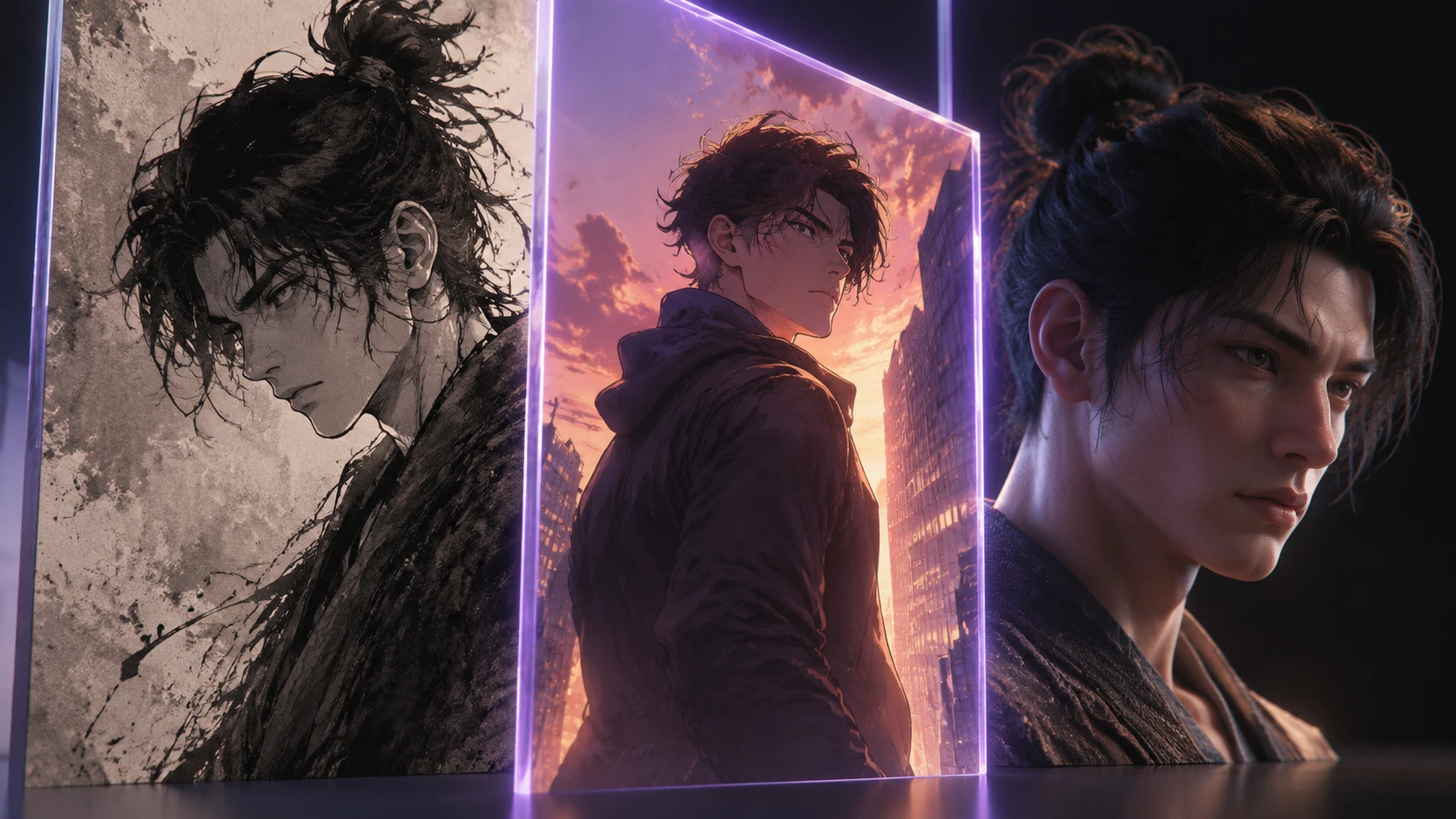
The traditional lifecycle of a digital comic—launching on a platform, building a following, and hoping for a TV or game adaptation years later—is officially obsolete. In 2026, the industry has shifted toward 'Day-Zero Transmedia.' Modern creators are no longer just drawing panels; they are architects of expansive intellectual properties (IP) designed to exist across multiple formats from the very first update. This strategic pivot is driven by a saturated attention market and the technological ease of cross-platform asset conversion.
The Rise of Day-Zero Franchising
The term 'Day-Zero' refers to the practice of developing a story's world-building, character bibles, and lore assets with multi-format compatibility in mind. Instead of retroactively trying to fit a vertical webtoon into a horizontal film format, 2026 creators are using modular production workflows. By creating high-fidelity 3D character models and environments first, they can simultaneously render panels for a webtoon, cinematic cutscenes for a social media game, and descriptive prose for a companion light novel.
- Modular Asset Libraries: Creating reusable 3D environments that serve both as comic backgrounds and game levels.
- Simultaneous Release: Syncing the launch of a webtoon with a localized light novel to capture different reader demographics.
- Lore-Deep Worldbuilding: Using AI to maintain 'bibles' that ensure consistency across five different media formats.
Narrative Architecture for a Fragmented Audience
In 2026, the most successful IPs aren't just one story; they are ecosystems. A reader might discover a character through a short-form video, dive into their backstory via a webtoon on COMICLS, and then participate in a community-driven mystery on a specialized novel platform. This 'story-first' approach ensures that if one platform’s algorithm changes, the IP remains resilient because its roots are spread across the entire digital landscape.
Localization as a Core Pillar, Not an Afterthought
Global-first is the new standard. The 2026 market demands that stories be culturally resonant across borders instantly. High-intent creators are utilizing AI-assisted hyper-localization tools that don't just translate text, but adapt cultural references and visual cues to match the target region. This allows a franchise to launch in the US, Korea, and France simultaneously, maximizing the initial hype cycle and preventing the 'translation lag' that previously killed global momentum.
Conclusion: The Creator as a Creative Director
The role of the 'comic artist' is evolving into that of a 'Creative Director.' Success in 2026 requires a balance of artistic vision and strategic IP management. By embracing the Day-Zero franchise model, creators can build sustainable, high-value properties that transcend the limitations of a single scrolling screen, ensuring their stories live on in every format their audience inhabits.
FAQ
What is Day-Zero Transmedia in comics?
It is the strategy of designing a story and its assets for multiple formats (webtoons, games, novels) simultaneously from the start, rather than waiting for an adaptation later.
How do creators manage multiple formats at once?
Modern creators use modular production, creating high-quality 3D or digital assets that can be repurposed for comic panels, game environments, and marketing materials.
Why is transmedia important for independent creators?
It builds IP resilience. If one platform fails or changes its algorithm, the creator still has an active audience and revenue streams on other platforms.