Beyond the Algorithm: The 2026 Resurgence of Human-Curated Digital Comic Archives
As digital comic platforms reach peak saturation in 2026, the industry is pivoting toward 'contextual curation.' Discover why human-led archives and semantic search are replacing the infinite scroll.
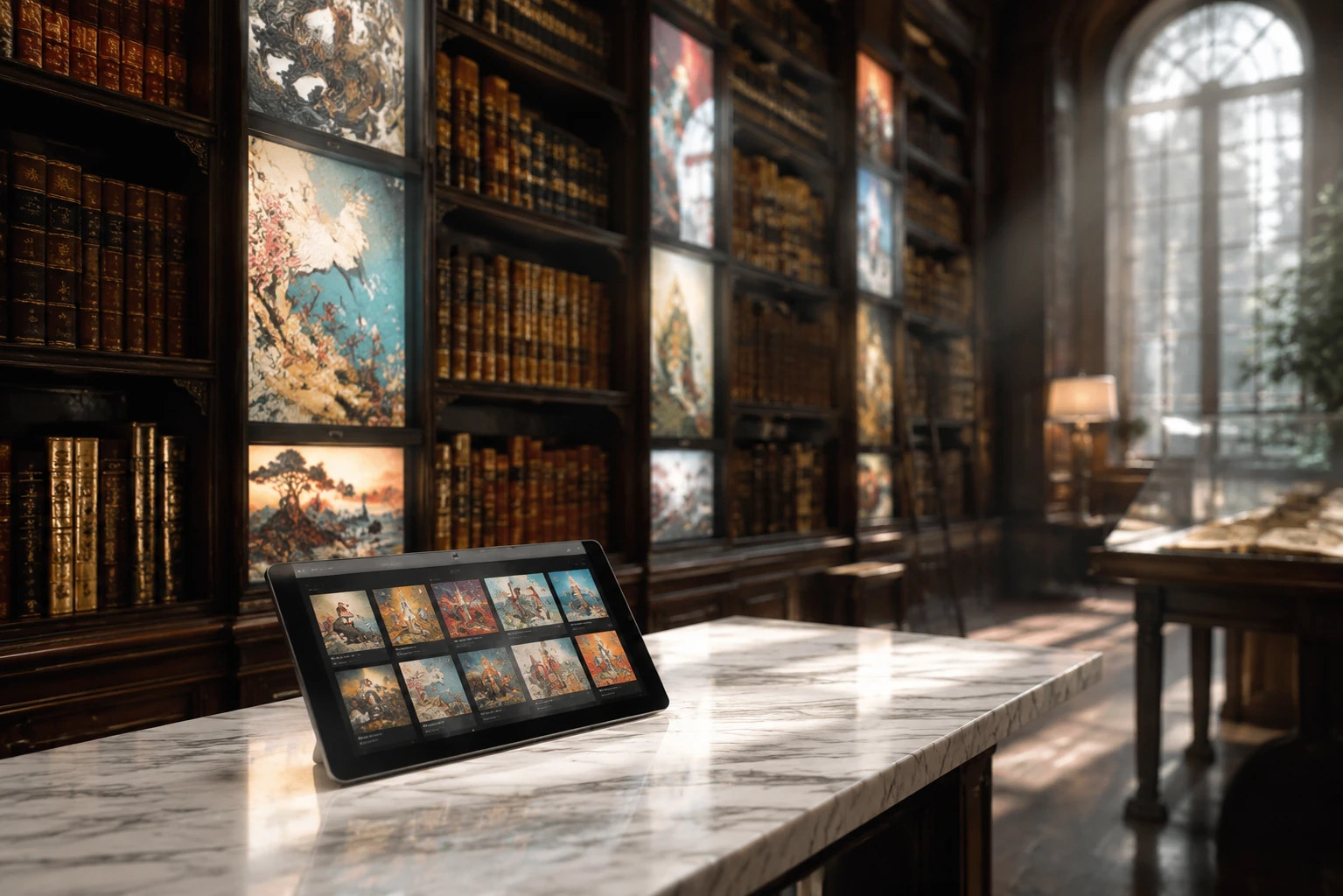
By mid-2026, the digital comic landscape has hit a critical mass that even the most sophisticated AI recommendation engines struggle to navigate. With millions of chapters uploaded daily across global platforms, 'algorithm fatigue' has become the primary hurdle for reader retention. The solution emerging this year isn't a better bot, but a return to narrative context through human-led curation and semantic metadata.
The Death of the 'Infinite Scroll' Discovery Model
For years, platforms relied on engagement-heavy algorithms that prioritized 'more of the same.' If a reader clicked a romance manhwa, they were flooded with identical tropes, leading to creative stagnation. In 2026, we are seeing a pivot toward 'discovery by intent.' Readers no longer want a list of what's popular; they want a list of what's relevant to their specific emotional or thematic state.
- Semantic Search: Moving from tags like 'Action' to complex queries like 'Philosophical cyberpunk with female protagonists and watercolor aesthetics.'
- Editorial Collections: The rise of 'Guest Curators'—authors and industry experts who sign off on 'Must-Read' lists.
- Community Archives: Decentralized fan-run databases that categorize series by extremely niche micro-genres that official platforms miss.
Why Contextual Metadata is the New SEO for Creators
As search engines like Google and Bing evolve to understand 'Helpful Content' in the comic space, creators must look beyond simple keyword stuffing. 2026 SEO for comics is about 'Entity Coverage.' This means your series isn't just a title; it's a node in a web of related themes, art styles, and cultural references.
Creators who provide rich, descriptive metadata—detailing art influences (e.g., 'Moebius-inspired line work') or specific narrative structures (e.g., 'non-linear psychological thriller')—are seeing a 40% higher discovery rate in semantic search results compared to those using generic tags.
The Rise of the 'Digital Librarian' Role
We are witnessing the professionalization of the 'Digital Librarian.' Platforms are now hiring human editors to build 'Curated Archives' that act as premium tiers for subscribers. These archives don't just host files; they offer historical context, art analysis, and 'Why This Matters' essays that transform a simple reading experience into an educational one.
This shift is a direct response to the 'content sea' problem. When everything is available, nothing feels special. Curation adds the missing element of prestige. For independent creators, getting into a curated archive is the 2026 equivalent of winning a major industry award—it signals to the reader that this content has been vetted for quality and unique perspective.
Looking Ahead: The Future of Interconnected Storytelling
The end goal of this archival movement is a fully interconnected 'Comic Graph.' Imagine reading a webtoon and being able to click a 'Visual Influence' tag that takes you to a curated archive of 1970s manga that inspired that specific panel. This level of cross-referencing is where the industry is headed, turning the act of reading into an act of exploration.
FAQ
How do I make my comic more discoverable in 2026?
Focus on semantic metadata. Instead of generic tags, use specific descriptions of your art style, narrative themes, and unique tropes that allow AI and human curators to categorize your work accurately.
What is semantic search in the context of comics?
Semantic search understands the intent and contextual meaning behind a reader's query, rather than just matching keywords. It allows readers to find stories based on complex moods, art styles, or specific plot nuances.
Are human curators replacing AI recommendations?
Not entirely. In 2026, the most successful platforms use a hybrid model where AI handles broad sorting, while human curators provide the final 'prestige' selection and contextual framing for readers.