Beyond Scrolling: How Vertical UX is Redefining Visual Storytelling in 2026
The infinite scroll is evolving into a multi-sensory experience. Discover the 2026 UX trends that are making mobile webtoons more immersive and accessible than ever before.
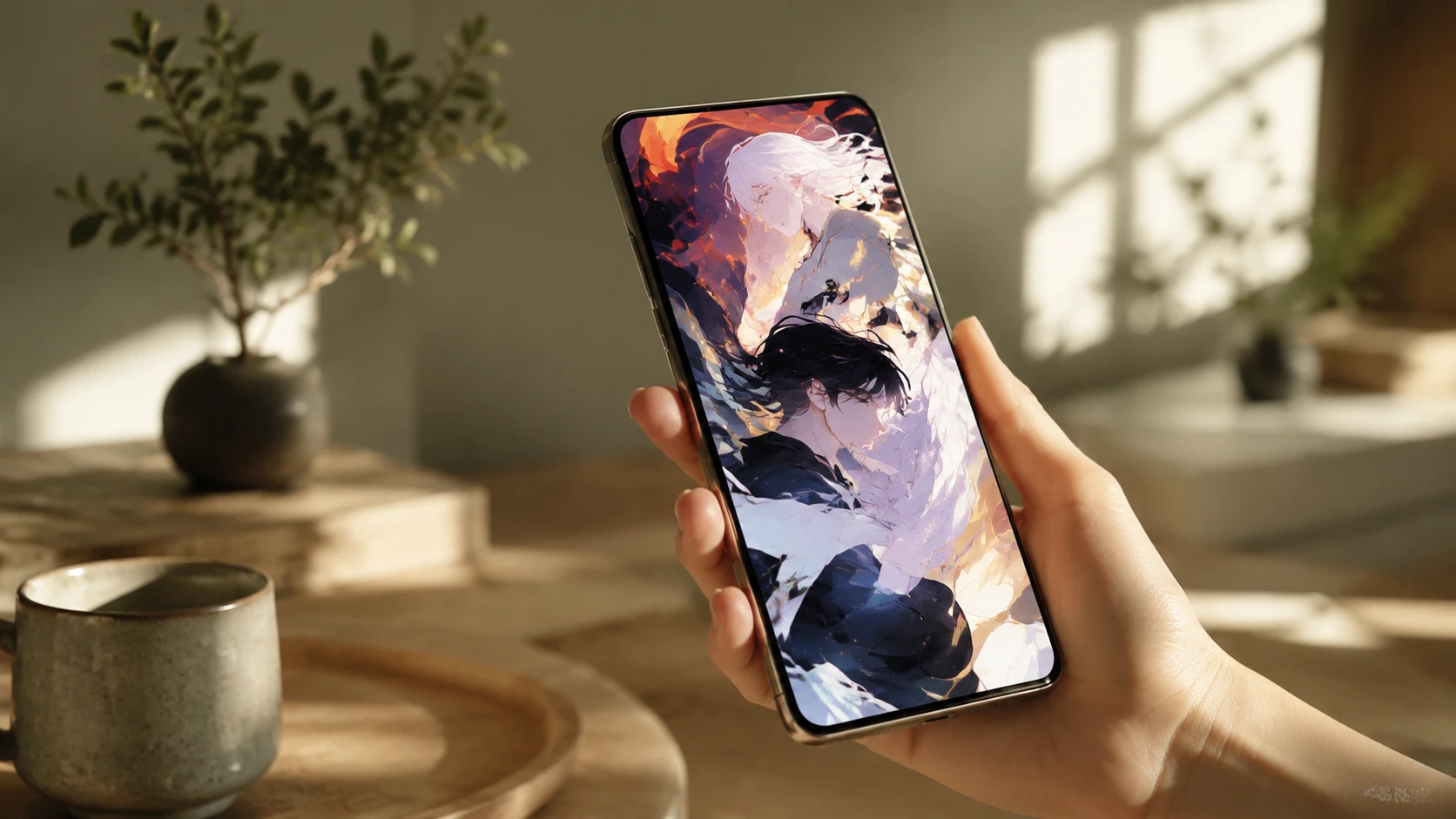
As we move further into 2026, the way audiences consume visual narratives has shifted from passive viewing to an active, tactile experience. The 'infinite scroll,' once a simple delivery mechanism for webtoons, has matured into a sophisticated vertical UX (User Experience) framework that prioritizes immersion, accessibility, and sensory engagement. For COMICLS readers and creators alike, understanding these shifts is no longer optional—it is the standard for modern digital publishing.
The Rise of Haptic Storytelling
One of the most significant breakthroughs in 2026 is the integration of haptic feedback directly into the narrative flow. Modern mobile devices now allow creators to trigger subtle vibrations that correspond with on-screen action. Whether it is the low rumble of a distant explosion or the sharp 'click' of a door locking, haptic layers provide a physical dimension to the visual story, grounding the reader in the moment.
This technology is being used to guide the reader's pace. By varying the resistance felt during a scroll, publishers can encourage readers to linger on high-impact splash pages or speed through frantic action sequences, effectively controlling the 'tempo' of the story without intrusive pop-ups.
Parallax and Layered Depth
Static images are becoming a relic of the past. 2026 webtoon standards now frequently utilize multi-plane parallax effects. As the user scrolls, background elements move at a different speed than the foreground characters, creating a 3D-like depth that mimics a camera move. This '2.5D' approach allows for more cinematic storytelling within the confines of a vertical mobile screen.
- Dynamic Lighting: Panels that react to the phone's gyroscope, changing shadows as the reader tilts their device.
- Adaptive Soundscapes: Spatial audio that shifts based on which panel is currently centered on the screen.
- Interactive Transitions: Story paths that branch based on 'hidden' touchpoints within a panel's background.
Accessibility as a Foundational Pillar
In 2026, 'Helpful Content' also means inclusive content. The industry has seen a massive push toward AI-driven accessibility features. Modern reading platforms now include 'Smart Magnification,' which automatically enlarges dialogue bubbles for readers with visual impairments without breaking the layout's flow.
Furthermore, screen-reader compatibility for comics—a long-standing challenge—has been solved through AI-generated alt-text that describes panel action in real-time. This ensures that the joy of comics is available to everyone, regardless of physical ability, reinforcing the topical authority of platforms that adopt these inclusive standards.
The Future: AI-Personalized Layouts
Looking toward the end of the year, we anticipate the emergence of 'Liquid Layouts.' These are comic panels that use AI to rearrange themselves based on the reader's device—whether it's a folding phone, a standard smartphone, or a high-end tablet. This ensures that the narrative impact is never lost to awkward cropping or excessive white space, maintaining the artist's intent across all hardware.
FAQ
What is vertical UX in webtoons?
Vertical UX refers to the design and interactive elements optimized for vertical scrolling on mobile devices, including haptics, parallax effects, and responsive panel layouts.
How does haptic feedback improve comic reading?
Haptic feedback adds tactile sensations to the reading experience, allowing readers to 'feel' the action, which increases immersion and helps control the narrative pacing.
Are these 2026 features available for independent creators?
Yes, many modern publishing platforms, including COMICLS, are integrating low-code tools that allow independent artists to add haptics and parallax effects without needing deep technical knowledge.